You repainted the bedroom last summer — a lovely deep charcoal grey that looked stunning on Instagram — and you’ve been sleeping worse ever since. Or maybe you moved into a new-build with magnolia walls and everything feels clinical and cold. Either way, the colour of your bedroom affects your sleep more than most people realise, and the research backs this up.
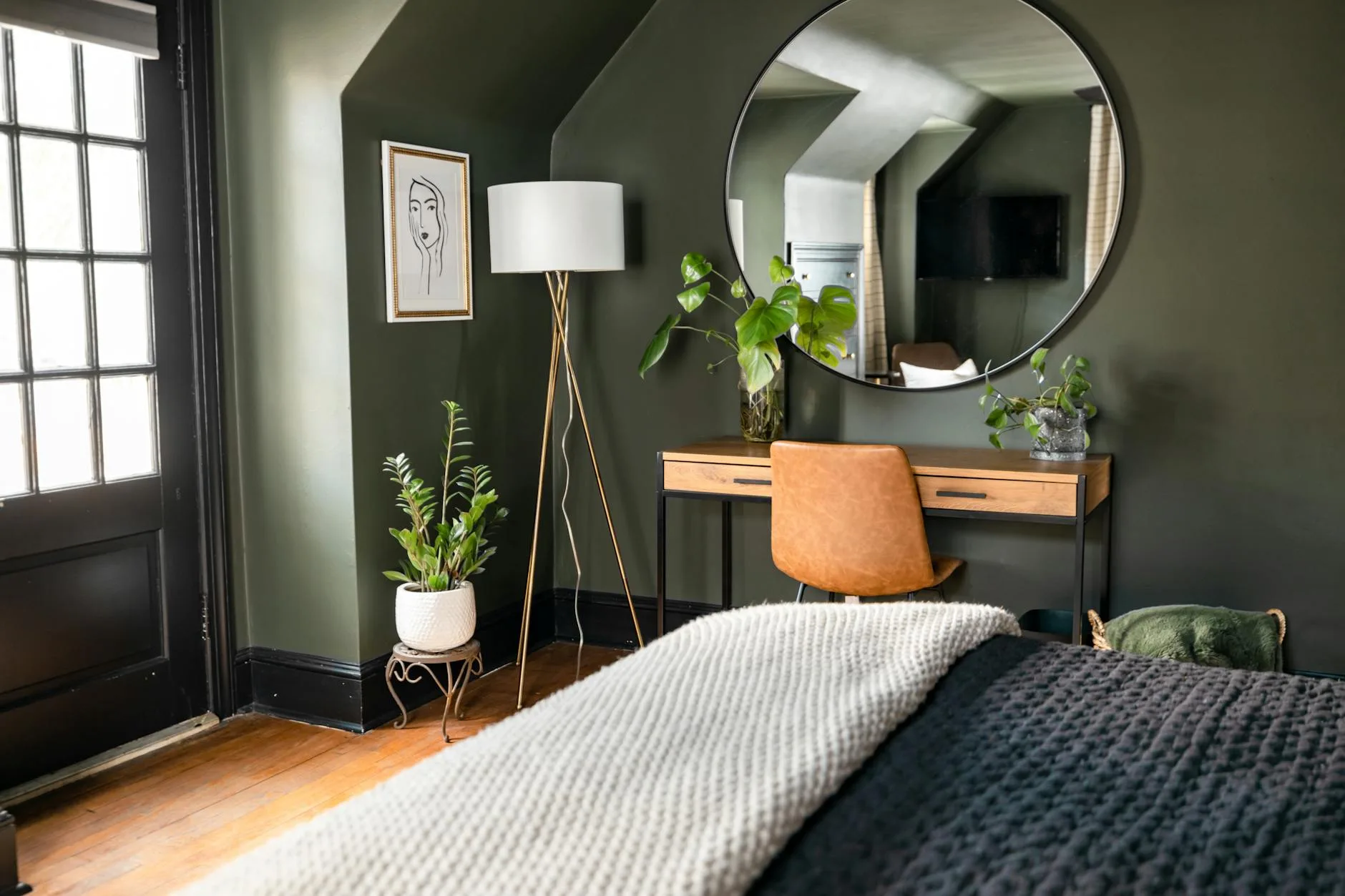
A study by Travelodge found that people sleeping in blue bedrooms averaged 7 hours 52 minutes of sleep per night, while those in purple rooms managed just 5 hours 56 minutes. That’s nearly two hours difference — and the only variable was wall colour. I repainted our bedroom from a dark grey-green to a warm off-white two years ago, and the difference was noticeable within a week. The room felt calmer, less enclosed, and the low evening light didn’t get absorbed into dark walls.
Here’s the evidence-based guide to choosing bedroom colours that actually help you sleep — not just look good in photos.
In This Article
- The Best Colours for Sleep
- Colours to Avoid in the Bedroom
- The Science: How Colour Affects Sleep
- Complete Bedroom Colour Schemes
- Paint Finishes and Their Effect on Sleep
- Lighting and Colour Interaction
- UK Paint Brands and Specific Shades
- Small Bedroom Colour Strategies
- When Not to Repaint: Other Sleep Fixes First
- Frequently Asked Questions
The Best Colours for Sleep
Blue — The Champion
Blue consistently ranks as the best bedroom colour for sleep across multiple studies. The reason is partly psychological (we associate blue with calm, sky, water) and partly physiological — specialised receptors in our eyes called ganglion cells are most sensitive to blue light, and blue environments appear to reduce heart rate and blood pressure.
Best blue shades for bedrooms:
- Soft powder blue — calming without feeling cold. Works in north and south-facing rooms
- Duck egg blue — warmer undertones, pairs beautifully with white woodwork
- Muted slate blue — more sophisticated, suits period properties and darker furniture
- Pale blue-grey — modern feel, works as a neutral with almost any accent colour
Avoid electric or royal blue — too stimulating. The key is muted, soft, desaturated blues.
Green — The Natural Alternative
Green is the second-best colour for sleep, and arguably the most versatile. It’s the colour we see most in nature, and our eyes process it more easily than any other colour — reducing eye strain and promoting relaxation.
Best green shades:
- Sage green — the current design favourite, warm and earthy
- Soft olive — rich without being dark, suits wooden furniture
- Muted mint — fresh and calming, works well in smaller bedrooms
- Grey-green — sophisticated, pairs with both warm and cool accent colours
Warm Neutrals — The Safe Bet
If you don’t want obvious colour, warm neutrals create a cocoon-like feeling that promotes rest:
- Warm white (not bright white — see “Colours to Avoid”)
- Soft taupe — warmer than grey, less stark
- Pale clay — earthy warmth without pink undertones
- Oatmeal or linen — textured-looking colours that feel cosy
Soft Pink — Surprisingly Good
Pale, dusty pinks (not hot pink or fuchsia) have a calming effect similar to blue. Think blush, old rose, or powder pink — colours that barely read as pink on the wall but add warmth and softness to the room.
Colours to Avoid in the Bedroom
Bright Red and Orange
Red increases heart rate and creates a sense of urgency. Orange is energising — brilliant for a kitchen, terrible for sleep. Even red accents (cushions, curtains, artwork) in large quantities can shift the room’s energy toward alertness.
Dark Grey and Black
Dark walls absorb light, making the room feel smaller and more enclosed. In the evening, artificial light struggles to bounce around the room, creating a cave-like atmosphere that some people find oppressive rather than cosy. Dark colours also absorb warmth during the day and radiate it at night — potentially making the room warmer than ideal for sleep.
Bright or Pure White
Counterintuitively, brilliant white is not great for sleep. It reflects every bit of light (including streetlights and screen glow), creates harsh shadows, and feels clinical rather than restful. The NHS sleep guidance recommends making the bedroom feel “restful” — and bright white rarely achieves that.
Purple
The Travelodge study ranked purple as the worst bedroom colour for sleep. Deep purple is visually stimulating and can create a heavy, intense atmosphere. If you love purple, limit it to small accents rather than wall colour.
Yellow (Bright Shades)
Bright yellow is cheerful and energising — which is exactly wrong for a bedroom. Pale, muted yellows (buttermilk, pale primrose) are fine, but anything approaching sunflower or mustard is too stimulating.
The Science: How Colour Affects Sleep
Ganglion Cells and Colour Sensitivity
Your eyes contain specialised cells called melanopsin-containing retinal ganglion cells that don’t contribute to vision — they tell your brain about ambient light levels, influencing your circadian rhythm. These cells are most sensitive to blue wavelengths, which is why blue light from screens suppresses melatonin.
But here’s the nuance: blue light (from LEDs, screens) disrupts sleep because it mimics daylight. Blue surfaces in a bedroom don’t emit light — they reflect ambient light with a calming tonal quality. It’s the difference between staring at a blue LED and looking at a blue wall by candlelight.
Psychological Associations
Colour psychology isn’t pseudoscience — decades of research confirm that colours carry consistent psychological associations:
- Blue → calm, trust, stability
- Green → nature, balance, restoration
- Warm neutrals → comfort, safety, warmth
- Red → alertness, urgency, passion
- Purple → intensity, creativity, stimulation
These associations aren’t absolute (cultural factors matter), but they influence how relaxed you feel in a space — and relaxation is the precursor to sleep.
Temperature Perception
Colour affects how warm or cold a room feels, independent of actual temperature. Blue and green rooms feel 2-3°C cooler than red or orange rooms at the same temperature. Since the ideal sleeping temperature is 16-18°C, colours that make a room feel slightly cool support better sleep.
Complete Bedroom Colour Schemes
The Calm Coastal
- Walls: Soft powder blue
- Ceiling: White or palest blue
- Woodwork: Warm white (not brilliant white)
- Bedding: White linen with a natural throw
- Accents: Pale sand, driftwood, natural textures
- Mood: Fresh, open, Mediterranean calm
The Country Retreat
- Walls: Sage green
- Ceiling: Warm white
- Woodwork: Off-white or soft cream
- Bedding: White cotton with olive or forest green accents
- Accents: Natural wood, brass, dried botanicals
- Mood: Grounded, earthy, restful
The Modern Neutral
- Walls: Warm greige (grey-beige)
- Ceiling: Same shade or one shade lighter
- Woodwork: Matching warm white
- Bedding: Layered whites and creams with textured throws
- Accents: Charcoal, walnut wood, matte black hardware
- Mood: Sophisticated, clean, hotel-like calm
The Soft Romantic
- Walls: Dusty blush pink
- Ceiling: White
- Woodwork: Soft white
- Bedding: White with blush and grey accents
- Accents: Rose gold, soft grey, marble
- Mood: Warm, gentle, quietly luxurious
Paint Finishes and Their Effect on Sleep
Matt vs Eggshell vs Silk
The sheen level of your paint affects how light behaves in the room:
- Dead matt/chalky finish — absorbs light, creates soft shadows, most calming. Ideal for bedrooms. Brands like Farrow & Ball and Little Greene specialise in this
- Matt emulsion — standard choice, slight sheen, easy to clean. The practical default
- Eggshell — subtle sheen, reflects some light. Good for woodwork, too reflective for walls in most bedrooms
- Silk/satin — reflects light noticeably. Avoid on bedroom walls — every imperfection shows, and reflected light at night is disruptive
For the calmest bedroom, use dead matt on walls and eggshell on woodwork. The contrast in sheen adds visual interest without any surface being distractingly reflective.
Ceiling Colour
The ceiling is the surface you stare at when falling asleep. Painting it the same colour as the walls (or one shade lighter) creates a cocoon effect that feels restful. Pure white ceilings in a coloured room create a harsh line that draws the eye upward — not ideal for drifting off.
Lighting and Colour Interaction
How Your Colour Looks Changes with Light
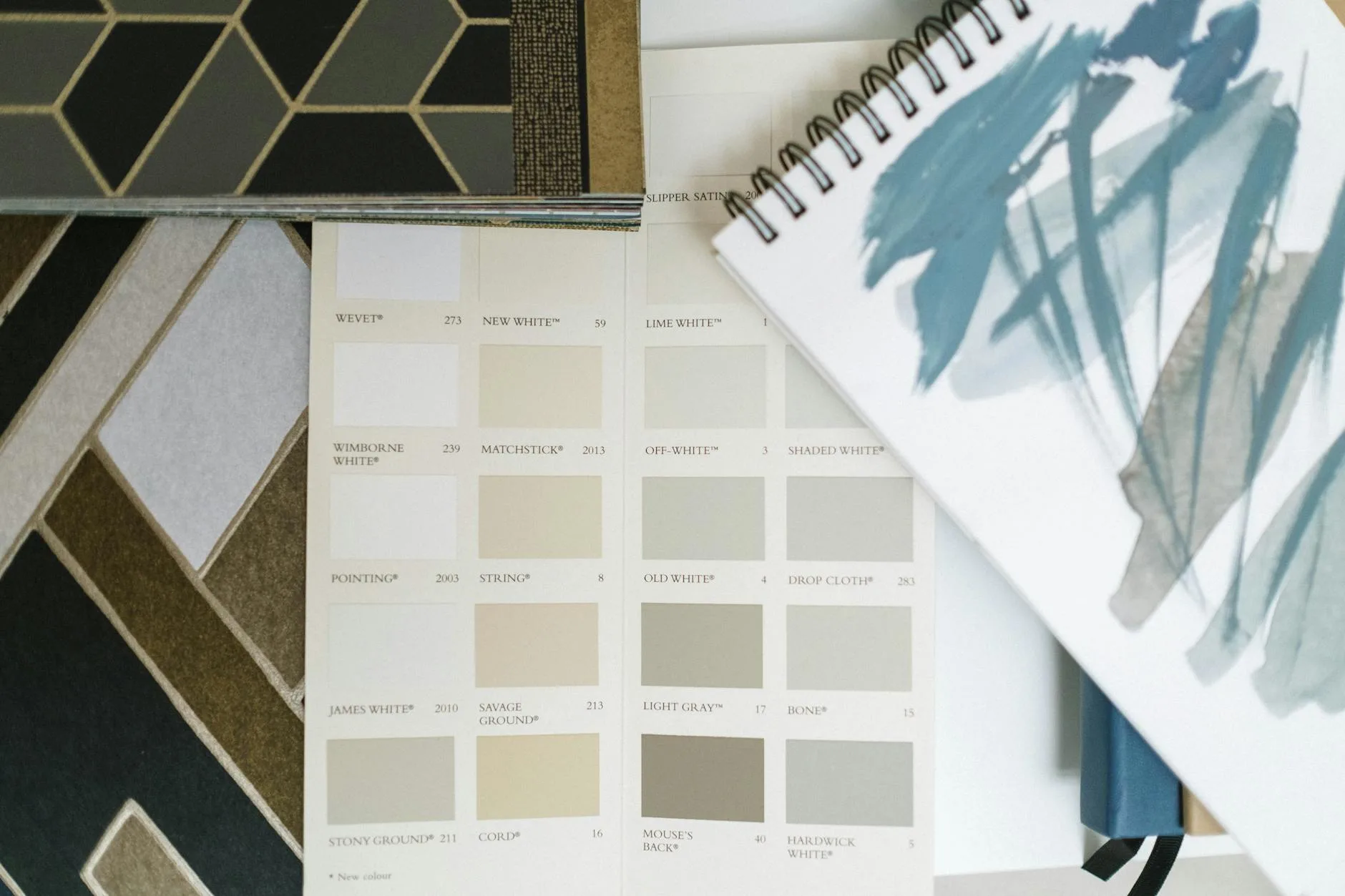
The paint shade you chose at 2pm in the shop will look completely different at 10pm under warm bedroom lighting. Always test paint samples:
- In daylight (morning and afternoon — the light direction changes)
- Under your actual bedside lamps — this is how you’ll see it most
- At night with curtains closed — the truest test for sleep context
Warm vs Cool Bulbs
Bulb colour temperature transforms wall colour:
- Warm white (2700K) — makes blues look softer and greens warmer. The best choice for bedrooms
- Cool white (4000K) — makes blues look clinical and greens grey. Avoid in bedrooms
- Daylight (6500K) — harsh and stimulating. Never use in a bedroom
Our guide to how light affects sleep covers the science of bulb colour in more detail.
Smart Lighting and Colour Shifts
If you use smart bulbs that shift colour temperature through the evening (warm at night, cooler in the morning), your wall colour will appear to change subtly through the day. Neutral colours handle this gracefully. Strong colours (deep blue, saturated green) can look odd under very warm 2200K evening light.
UK Paint Brands and Specific Shades
Farrow & Ball
Premium but worth it for bedrooms — their matt finish is the gold standard for calm walls.
- Blue: Parma Gray, Skylight, Lulworth Blue
- Green: Mizzle, Vert De Terre, Ball Green
- Neutral: Skimming Stone, Elephant’s Breath, Ammonite
- Price: About £52 per 2.5L tin
Dulux
Available everywhere, good quality, much cheaper.
- Blue: Mineral Mist, Coastal Grey, First Dawn
- Green: Tranquil Dawn (Colour of the Year 2020 — still excellent), Willow Tree
- Neutral: Gentle Fawn, Natural Hessian, Perfectly Taupe
- Price: About £28 per 2.5L tin
Little Greene
Exceptional colour range with excellent matt finishes.
- Blue: Bone China Blue, Gauze, Air Force Blue
- Green: Aquamarine, Sage Green, Normandy Grey
- Neutral: Portland Stone, Slaked Lime, Rolling Fog
- Price: About £48 per 2.5L tin
Crown
Budget-friendly with good coverage.
- Blue: Mellow Sage (blue-grey), Stepping Stone
- Neutral: Toasted Almond, Snowfall
- Price: About £18 per 2.5L tin
Small Bedroom Colour Strategies
Light Colours Open Up Space
Small bedrooms benefit from lighter shades that reflect more light and create an illusion of space. This doesn’t mean brilliant white — soft blue, pale sage, or warm white achieve the same spacious feeling with added warmth.
The One-Wall Accent Approach
If you want a deeper colour but have a small room:
- Paint the wall behind the headboard in your chosen deeper shade
- Keep the remaining three walls in a complementary lighter tone
- This creates depth without the enclosing effect of four dark walls
Same Colour, Different Strengths
Another approach for small rooms: use the same colour family at different strengths. Walls at 25% strength, woodwork at 50%, a single accent wall or niche at 75%. Creates cohesion and interest without overwhelming the space.
When Not to Repaint: Other Sleep Fixes First
Check These Before Picking Up a Paintbrush
Colour matters, but it’s not the top sleep priority. Before repainting, make sure you’ve addressed:
- Mattress quality — our mattress guide covers choosing the right one. A bad mattress undermines everything else
- Room temperature — 16-18°C is optimal. Too warm is the most common UK bedroom problem
- Light control — blackout curtains or blinds make more difference than wall colour
- Noise — white noise machines or earplugs if external noise is an issue
- Screen habits — no screens for 30 minutes before bed beats any paint colour
When Colour Does Make a Meaningful Difference
- Your current walls are a stimulating colour (bright red, orange, dark purple)
- You’ve recently moved and the room doesn’t feel “yours” yet
- You’ve addressed all the practical sleep factors and still feel restless
- The room feels oppressively dark or harshly bright
Frequently Asked Questions
What is the best colour for a bedroom to help sleep? Blue is consistently the best, backed by multiple studies. Soft, muted blues like powder blue, duck egg, or slate blue promote calm and are associated with lower heart rate and blood pressure. Green (sage, olive, mint) is a close second. The key is choosing desaturated, muted shades rather than bright or vivid versions of any colour.
Does bedroom wall colour really affect sleep? Yes — though it’s one factor among many. The Travelodge sleep study found nearly two hours’ difference in average sleep duration between blue and purple bedrooms. Colour affects your psychological state (calm vs stimulated), temperature perception, and how light behaves in the room — all of which influence sleep onset and quality.
Should I paint my bedroom ceiling white or the same colour as the walls? The same colour (or one shade lighter) creates a calming cocoon effect that helps you drift off. Pure white ceilings create a visual break that draws the eye upward. For the most restful effect, match your ceiling to your walls — this is standard practice among interior designers for bedrooms.
Is grey a good bedroom colour for sleep? Warm grey (greige, taupe) is fine — it reads as a neutral and creates a calm atmosphere. Cool grey can feel clinical and sterile, especially in north-facing UK rooms that already lack warm light. If you want grey, lean toward the warm end of the spectrum and pair it with warm-toned bedding and warm-white bulbs.
How many paint samples should I test? At least three, applied directly to the wall in A3-sized patches. View them at different times of day — morning sun, overcast afternoon, and evening under your bedroom lighting. Live with them for at least 3 days before deciding. What looks perfect at noon can look completely different at 10pm, which is when it matters most.
If you are refining the same bedroom setup, compare this with Feng Shui Bedroom Layout for Restful Sleep, Best Bedroom Lighting for Sleep Quality, Best Bed Sheets for Hot Sleepers.