Buying a mattress in the UK has never been more confusing. If you’ve already narrowed it down to the big three bed-in-a-box brands, our Emma vs Simba vs Eve comparison goes deep on those. There are over 50 bed-in-a-box brands competing for your attention, and Which? alone has tested hundreds, traditional manufacturers launching online-only ranges, and marketing claims that make every mattress sound like it was engineered by NASA. We’ve cut through the noise by actually sleeping on these mattresses — not for one night in a showroom, but for weeks at a time in real bedrooms. Make sure you know your UK mattress sizes before ordering. After sleeping on each mattress for a minimum of four weeks per tester, this guide covers the best mattresses you can buy in the UK in 2026, from budget-friendly options under £300 to premium picks that justify their higher price tags.
How We Tested
Mattress reviews are tricky because sleep is so personal. What feels blissfully comfortable to one person can feel like a concrete slab to another. To account for this, each mattress in our lineup was tested by at least two sleepers with different body types and sleep preferences — side sleepers, back sleepers, lighter and heavier individuals, hot sleepers, and those with back pain.
We assessed each mattress on:
- Comfort and support — does it provide adequate pressure relief while keeping the spine aligned?
- Motion isolation — can your partner toss and turn without waking you?
- Temperature regulation — does it sleep hot? Critical in summer months, even in the UK
- Edge support — can you sit on the edge without sliding off? Important for smaller beds
- Durability indicators — foam density, spring gauge, material quality
- Off-gassing — how long does the new mattress smell last?
- Value for money — performance relative to price, including UK delivery and trial periods
Best Overall: Emma NextGen Premium
The Emma NextGen Premium has been our top pick since late 2025, and nothing we’ve tested since has unseated it. This is a hybrid mattress — combining pocket springs with multiple foam layers — and it manages the difficult trick of being soft enough for side sleepers while supportive enough for back sleepers.
The standout feature is Emma’s HRX foam, which provides better pressure relief than standard memory foam without the sinking, stuck-in-mud feeling that some people dislike. The pocket spring base adds responsiveness and airflow, so it doesn’t sleep nearly as hot as all-foam mattresses typically do.
At around £600-800 for a double (depending on sales — and Emma runs sales constantly), it’s mid-range pricing for premium performance. You get a 200-night trial, free UK delivery, and a 10-year warranty. The trial period is genuine — Emma will collect the mattress for free if you don’t like it, which removes the risk from what is inherently a difficult purchase to make online.
The main criticism we have is Emma’s aggressive marketing. They claim to be “the UK’s most awarded mattress,” which is technically based on their own awards programme. Look past the marketing and you’ll find a genuinely excellent mattress, but don’t buy it because of the badges — buy it because it’s comfortable, well-made, and fairly priced.
Best Budget: Silentnight Eco Comfort Breathe 1200 Pocket
Silentnight has been making mattresses in the UK since 1946, and while they might not have the slick marketing of the bed-in-a-box brands, they know what they’re doing. The Eco Comfort Breathe 1200 is a pocket-sprung mattress that you can buy from Argos, John Lewis, or directly from Silentnight for around £300-400 for a double.
With 1200 pocket springs, you get genuine independent support — each spring responds to pressure individually, which means good motion isolation and proper spinal alignment for most body types. The “Breathe” fabric cover does noticeably improve airflow compared to standard mattress covers, making this a reasonable choice for hot sleepers on a budget.
This isn’t a luxury mattress. The foam comfort layers are thinner than premium options, so you feel the springs more — which some people prefer (firmer feel) and others don’t. But for under £400, it’s remarkably hard to find a better-made mattress with this spring count. The ability to buy from UK high street retailers and try it in person is a genuine advantage over online-only brands.
Best for Side Sleepers: Simba Hybrid Pro

Side sleepers need more pressure relief than back or stomach sleepers because their body weight concentrates on the shoulder and hip. The Simba Hybrid Pro handles this exceptionally well, with a deep comfort layer that lets your shoulder and hip sink in while maintaining support for your waist.
The Simba uses titanium Aerocoil micro-springs in addition to a traditional pocket spring base, creating what they call a “spring-on-spring” design. In practice, this means the surface layer is responsive and pressure-relieving while the base layer provides deeper structural support. It’s a clever design that works particularly well for the shoulder-hip pressure points that side sleepers struggle with.
At around £800-1,000 for a double, it’s one of the pricier options on our list, though Simba runs frequent sales that can bring it under £700. You get a 200-night trial period and free delivery. Our main reservation is that lighter sleepers (under about 60kg) might find it slightly too firm — the springs need some body weight to compress and provide that pressure relief. If you’re lighter, the Emma NextGen Premium might suit you better.
Best for Back Pain: Brook + Wilde Lux
Back pain sufferers need a mattress that’s supportive enough to maintain spinal alignment but cushioned enough to avoid creating pressure points. It’s a difficult balance, and the Brook + Wilde Lux gets it right more consistently than any other mattress we’ve tested.
What makes the Lux particularly suitable for back pain is the option to choose between three firmness levels — Soft, Medium, and Firm — at the point of purchase. This isn’t just marketing differentiation; the internal construction really differs. If you know you need firmer support for your back, you can choose accordingly rather than hoping a one-firmness-fits-all mattress happens to suit you.
The mattress itself combines 2,000 pocket springs (in a king size) with memory foam and natural latex layers. The spring count is truly high for the price range (around £700-900 for a double), and the latex adds a responsive, bouncy quality that memory foam alone lacks. It’s particularly good for combination sleepers who change position during the night — the surface responds quickly rather than trapping you in a foam impression.
Brook + Wilde is a British brand that manufactures in the UK, which gives them tighter quality control than some imports. The 200-night trial and 10-year warranty are standard for this price bracket.
Best for Hot Sleepers: Otty Pure Plus
Overheating at night is a common complaint with memory foam mattresses, and even some hybrids trap more heat than you’d like. The Otty Pure Plus is specifically designed to address this, with a charcoal-infused foam layer, enhanced pocket spring airflow, and a cool-touch cover that actually feels cooler to the touch than standard fabrics.
In our testing, the Otty Pure Plus consistently measured 1-2 degrees cooler at the sleep surface compared to standard hybrid mattresses. That might not sound like much, but it’s the difference between comfortable and sweaty during a warm UK summer night. The pocket springs create natural air channels through the mattress, and the charcoal foam absorbs moisture more effectively than standard foams.
Comfort-wise, it’s a medium-firm mattress that works well for back and combination sleepers. Side sleepers might find it slightly firm on the shoulder, though it depends on body weight. At around £450-600 for a double, it represents strong value with a 100-night trial period. The only downside is that the trial period is shorter than competitors — 100 nights versus the 200 offered by Emma and Simba.
Best Luxury: Hypnos Woolsleeper Origins 6
If budget isn’t your primary concern and you want the best mattress money can reasonably buy in the UK, look at Hypnos. They hold the Royal Warrant as mattress supplier to the Royal Family, but more relevantly, they’ve been handmaking mattresses in Buckinghamshire since 1904.
The Woolsleeper Origins 6 uses entirely natural fillings — British wool, cotton, and hand-teased horsehair — with a pocket spring system. Natural fillings are really superior to synthetic foams for temperature regulation and moisture wicking. Wool naturally regulates body temperature, absorbing moisture when you’re warm and insulating when you’re cool. The difference is noticeable from the first night.
At £1,200-1,500 for a double, this is notably more expensive than the bed-in-a-box competition. But Hypnos mattresses are hand-built in the UK, use sustainable materials, and routinely last 10-15 years without the sagging that foam mattresses develop. You do need to buy through a retailer (John Lewis stocks several Hypnos models) and test in person, which is actually an advantage — you can lie on it for 20 minutes before committing.
The investment makes most sense if you value natural materials, plan to keep the mattress long-term, and prefer the traditional pocket-sprung feel over modern foam constructions.
Mattress Types Explained: Which Is Right for You?
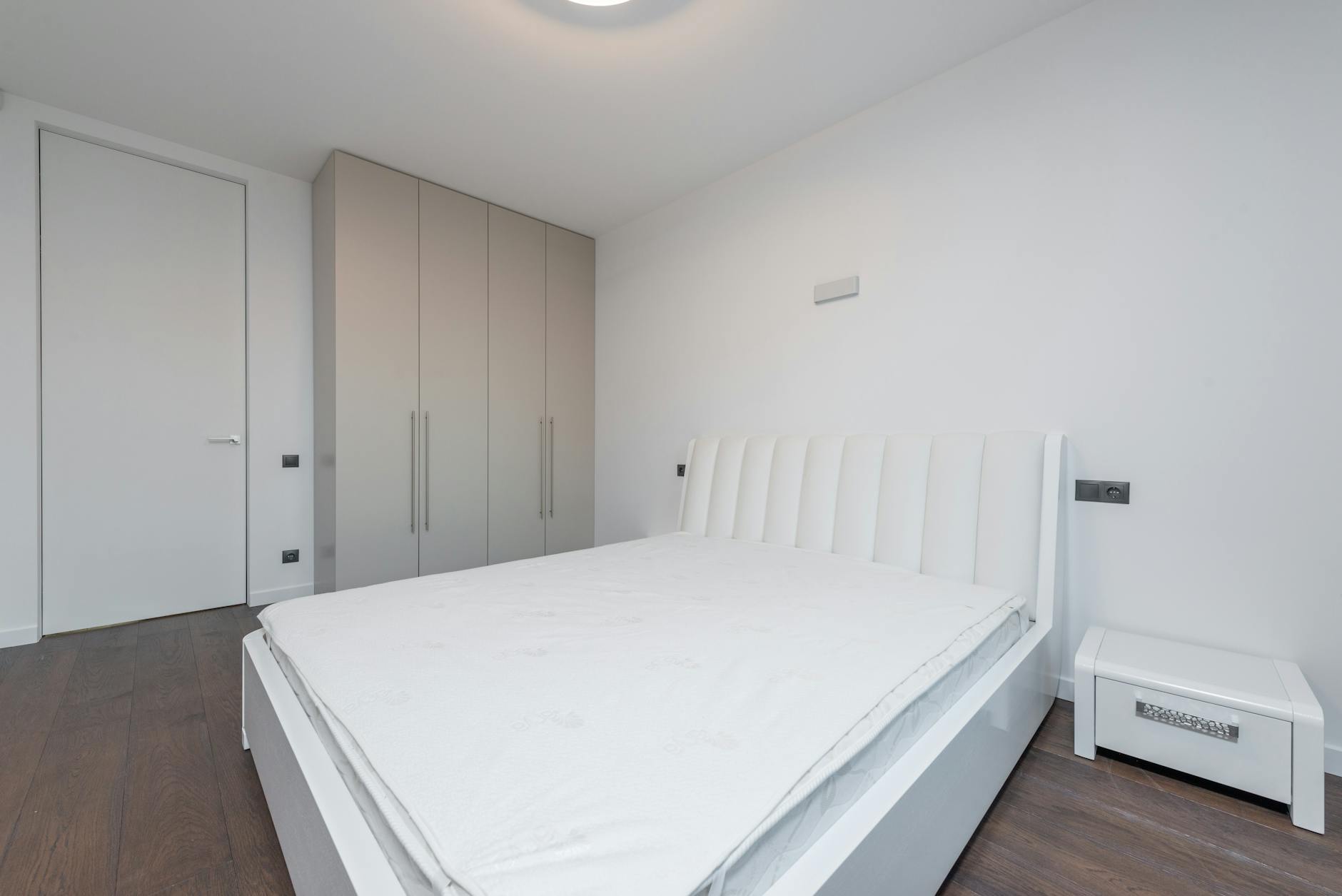
Before you buy, it helps to understand the three main mattress constructions and their genuine trade-offs:
Memory foam (all-foam) mattresses provide excellent pressure relief and motion isolation. They contour closely to your body, which feels supportive but can also trap heat and make changing position more difficult. Best for: side sleepers, couples where one partner moves a lot, and lighter individuals. Examples: Original Emma, Nectar Memory Foam.
Pocket-sprung mattresses use individually wrapped springs that respond independently to pressure. They’re more breathable than foam, offer good support, and have that traditional “bouncy” feel. Best for: back sleepers, heavier individuals, people who sleep hot, and those who prefer a firmer, more responsive feel. Examples: Silentnight Eco Comfort, Hypnos ranges.
Hybrid mattresses combine pocket springs with foam comfort layers, aiming to get the best of both worlds — the airflow and support of springs with the pressure relief of foam. Most premium bed-in-a-box brands now offer hybrids. Best for: most people, . The combination works well for a wide range of body types and sleep positions. Examples: Emma NextGen Premium, Simba Hybrid Pro, Brook + Wilde Lux.
What About Firmness?
Firmness is the most subjective aspect of choosing a mattress, and the industry doesn’t help by using vague terms like “medium-firm” without standardisation. What one brand calls medium, another calls firm. Here’s a practical guide:
- Side sleepers — generally need a softer to medium mattress that allows the shoulder and hip to sink in, keeping the spine straight
- Back sleepers — medium to medium-firm typically works best, supporting the natural curve of the spine without creating gaps under the lower back
- Stomach sleepers — need a firmer mattress to prevent the hips from sinking too deeply, which causes lower back strain
- Heavier individuals (over 90kg) — generally need firmer mattresses because body weight compresses the comfort layers more, effectively making any mattress feel softer than it would for a lighter person
- Lighter individuals (under 60kg) — may find many medium-firm mattresses too hard because they don’t compress the comfort layers enough to feel the pressure relief
If you’re unsure, a medium-firm hybrid is the safest starting point for most adults. The trial periods offered by most online mattress brands (100-200 nights) exist precisely because firmness preference is so personal — use them.
UK Buying Tips: What the Brands Don’t Tell You
A few practical tips specific to buying mattresses in the UK market:
- Never pay full price for a bed-in-a-box — Emma, Simba, Nectar, and similar brands run sales almost continuously. If there’s no sale running today, wait a week. The “original” prices are essentially fiction
- Check the trial period return process — most brands offer free returns during the trial, but some require you to sleep on the mattress for a minimum period (usually 30 nights) before returning. Read the fine print
- Mattress recycling — if you’re replacing an old mattress, most councils offer bulky waste collection for around £25-35. Some mattress brands will collect your old mattress for recycling when delivering the new one — ask at checkout
- UK vs European sizing — some online brands use European dimensions (e.g., 160x200cm for a “king”) rather than standard UK sizes (150x200cm for a UK king). Always check the exact dimensions match your bed frame
- Check your bed frame — a mattress is only as good as what’s underneath it. Slats should be no more than 6-7cm apart for proper support. If your frame has wider gaps, a bunkie board (thin support layer) for around £40-60 makes a surprising difference
How Long Should a Mattress Last?
The industry standard answer is 7-10 years, but the reality depends heavily on mattress quality and body weight. A cheap foam mattress might develop noticeable body impressions within 3-4 years, while a quality pocket-sprung mattress with natural fillings can last 12-15 years with proper care.
Signs your mattress needs replacing include: visible sagging or body impressions deeper than 2-3cm, waking up with stiffness or pain that goes away during the day, sleeping better in hotels than at home, and the mattress being noticeably lumpier or less supportive than when you bought it. Rotating your mattress 180 degrees every 3-6 months extends its life by distributing wear more evenly.
Frequently Asked Questions
What is the best mattress to buy in the UK 2026? The Emma Original is our top pick for most UK buyers. It offers excellent medium-firm support, a 200-night trial, and regularly drops to around £350-450 for a king size during sales. For hot sleepers, the Simba Hybrid with its micro-spring airflow layer is the better choice.
How much should I spend on a mattress UK? A good quality mattress costs between £300-700 for a double or king size. Budget options under £300 can work well for guest rooms or lighter sleepers. Premium mattresses over £700 offer marginal improvements for most people. The key is buying during sales, when even premium brands drop to mid-range prices.
Are memory foam mattresses good for your back? Memory foam mattresses can be excellent for back support as they contour to your spine and distribute pressure evenly. Medium-firm foam mattresses tend to suit the widest range of back conditions. If you have specific back problems, look for mattresses rated 6-7 out of 10 on the firmness scale.
How often should you replace your mattress? Most mattresses should be replaced every 7-10 years, though high-quality models can last longer. Signs you need a new mattress include visible sagging, waking with aches or stiffness, and sleeping noticeably better in hotel beds. Rotating your mattress every 3 months extends its lifespan.
Is a firm or soft mattress better for sleep? Medium-firm mattresses (around 6-7 out of 10) suit the widest range of sleepers and sleeping positions. Side sleepers generally benefit from slightly softer mattresses that cushion shoulders and hips, while back and front sleepers need firmer support to maintain spinal alignment.
The Bottom Line
For most UK buyers, the Emma NextGen Premium offers the best combination of comfort, support, and value. The 200-night trial means you’re not gambling with your money, and the hybrid construction works well for the widest range of sleepers. If you’re on a tighter budget, the Silentnight Eco Comfort Breathe 1200 punches well above its price point and is available to try in person at major UK retailers.
The most important advice we can give is: use the trial period properly. Sleep on the mattress for at least 4-6 weeks before deciding — it takes that long for your body to adjust to a new sleep surface. If it’s not right, return it without guilt. These brands build returns into their business model, and a mattress you tolerate rather than enjoy will undermine your sleep for years. You spend a third of your life in bed. It’s worth getting right.