Best memory foam mattress UK: start with size, feel and return terms rather than a “cooling” promise. Our clearest double-size starting point is the Silentnight 3 Zone: it is an established all-foam model with a medium feel and a defined zoned construction. Choose the Zinus if a lower outlay matters more, the deeper Hiimgo if mattress height is your priority, or the Simba Simbatex Cool if you specifically need a small double and want its more open foam design. None is a universal comfort winner.
These are research-led recommendations based on product specifications and care information. We have not slept on the mattresses or independently measured support, cooling, pressure relief or longevity. The sizes shown are particular versions; check the size, seller, delivery and used-return terms for your order before buying.
In This Article
- Mattresses at a glance
- Four all-foam picks
- How to choose
- Heat, care and returns
- The bottom line
- Frequently asked questions
Best memory foam mattresses UK: at a glance
This comparison leads with construction and fit, not the number of “zones” printed on a box. The mattresses are all-foam; a hybrid with pocket springs is a different choice and is covered in our hybrid mattress guide.
| Mattress | Role and size shown | Reason to consider | Main limitation |
|---|---|---|---|
| Silentnight 3 Zone | All-round starting point; UK double 135 × 190 cm | Medium-feel, UK-made zoned foam from a familiar brand | A medium label cannot establish personal fit or cooler sleep |
| Zinus Green Tea | Lower-outlay choice; UK double 135 × 190 cm | Approx. 20 cm deep all-foam construction with a medium-firm description | Green-tea infusion is not a proven cooling benefit |
| Simba Simbatex Cool | Airflow-focused small double 120 × 190 cm | 23 cm deep with open-structure, graphite-infused foam and a washable cover top | Smaller width; airflow design does not guarantee a cool night |
| Hiimgo 25 cm | Deeper UK double 135 × 190 cm | 25 cm all-foam build, gel-foam layer and removable cover | Layer thickness and long-term durability are not independently established |
A small double is 15 cm narrower than a standard UK double. Do not compare the Simba price or comfort space as if it were the same size as the other three. If you need a king, select and check that size separately; details for one size should not be assumed for another.
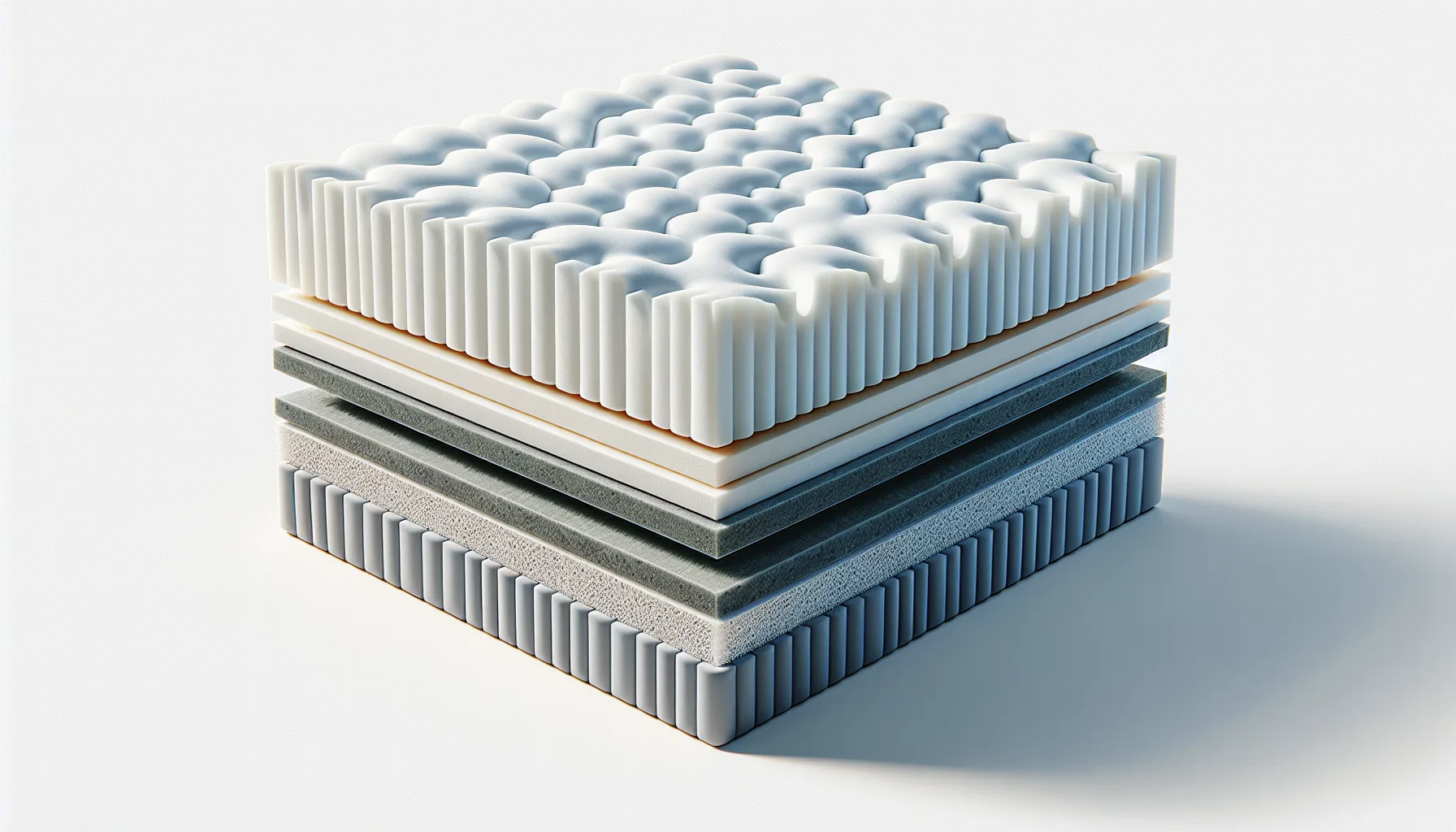
Four memory foam mattresses worth considering
1. Silentnight 3 Zone — familiar all-round double
The Silentnight 3 Zone is the clearest starting point for someone replacing a conventional double with an all-foam mattress. The size shown is a UK 135 × 190 cm double, described as medium feel, rolled for delivery and made in the UK. Its three-zone Miratex construction is a more useful distinction than an unqualified claim to be “orthopaedic”: you can identify what sort of foam bed you are ordering without pretending the zones will feel right to every body.
Choose it if you want a recognisable brand and a medium all-foam feel, and you can accommodate the standard double. Skip it if you already know you need a firmer surface or a much more responsive, spring-backed feel. We cannot verify a comfort or durability advantage over the other models without sleeping on them. Silentnight’s care guidance also makes the bed-base and unrolling instructions worth reading before use.
- Choose: medium-feel, zoned all-foam construction in a standard double.
- Skip: you need a small double, a springier feel or a known firmer specification.
- Main compromise: a familiar name does not remove the need to check seller-specific returns.

2. Zinus Green Tea — lower-outlay UK double
The Zinus Green Tea is a 135 × 190 cm double with an approximately 20 cm height and a medium-firm description. It is the more restrained spend in this shortlist while still being a complete all-foam mattress rather than a topper. The quilted cover and foam layers offer a different construction from Silentnight’s three-zone model, but the “green tea” name is an infusion description, not evidence that the bed will sleep cooler or stay fresh for a particular number of years.
Consider it if your main constraint is outlay and you are comfortable with a medium-firm foam bed. Move away from it if you need a softer feel, a documented long home trial or a layer-by-layer specification before purchase. As with any compressed mattress, check the maker’s expansion and bed-base instructions rather than judging the final shape immediately after opening.
- Choose: a basic double-size foam mattress with a lower current outlay.
- Skip: an unverified return or trial arrangement would make the purchase too risky.
- Main compromise: the product title says little about how the foam will feel to you.

3. Simba Simbatex Cool — airflow-focused small double
Simba’s Simbatex Cool is the most technically distinct foam construction here. The size shown is 120 × 190 cm, so it suits a small-double frame, not the 135 cm-wide frame used by the other three. It is 23 cm deep, with an open-structure, graphite-infused Simbatex comfort layer, an additional support layer, a zoned base and a removable washable cover top. That is a credible reason to consider it if a close-fitting bed and foam airflow matter.
It is still not a guarantee against sleeping hot. Room temperature, duvet, protector and individual preference can outweigh material design. Check the exact seller’s trial and used-return process before ordering; Simba’s direct-order returns page is not, by itself, proof of the terms for a purchase elsewhere. For bedding that changes the feel, see our sheets for hot sleepers guide.
- Choose: your frame is 120 × 190 cm and you want to investigate an airflow-focused foam design.
- Skip: you need a standard double or assume the name guarantees cooling.
- Main compromise: the size and purchase terms need more attention than the marketing headline.

4. Hiimgo 25 cm — deeper double-size foam build
The Hiimgo is a 135 × 190 cm double listed at 25 cm deep, with a gel memory-foam layer, medium-firm description and removable cover. That greater overall depth gives it a clear role beside the thinner Zinus: a buyer seeking a taller mattress may prefer how it meets the bed frame or fitted sheet. Depth alone, however, says little about the thickness or density of the comfort layer, so it does not prove more pressure relief or a longer life.
The maker advises allowing 48–72 hours for the compressed mattress to expand. Check the care label before washing the cover, and measure fitted-sheet depth and bed-frame clearance as well as floor space. If the seller cannot clarify used returns or collection for a large mattress, that uncertainty may matter more than the extra centimetres.
- Choose: you want a taller all-foam double and can check its care and purchase terms.
- Skip: you need documented foam densities or a confirmed home trial before deciding.
- Main compromise: extra height is not a substitute for evidence about comfort or durability.

How to choose a memory foam mattress
Get the size right first. A UK double is 135 × 190 cm; a small double is 120 × 190 cm. Check the inside dimensions of your frame, especially if it is an imported or older design. The king-size mattress guide is a better starting point when two people need more room than a double provides.
Use firmness labels as a shortlist, not a measurement. “Medium” differs by maker, body weight and sleeping position. Side sleepers may want enough shoulder room; front sleepers often prefer less hip sink; couples need a workable compromise. None of those rules predicts an individual outcome. Our mattress choosing guide explains the broader fit questions before you commit to a model.
Ask what lies beneath the comfort layer. Foam depth, layer design, cover removal and bed-base requirements are more useful than a vague “seven-zone” or “orthopaedic” label. A hybrid includes springs and may suit someone who wants a more buoyant feel, but it should not be passed off as an all-foam pick here. Certification labels apply to specific materials and standards, not a medical or long-life guarantee; see our certification explainer.
Heat, care and returns
Memory foam reduces open space around the body compared with many spring constructions, but there is no single temperature result for all sleepers. An open-structure or gel layer can be a useful design difference; it cannot tell you how you will feel under your own duvet in August. If heat is your main reason for replacing a bed, consider the hybrid alternatives before deciding that a different foam is the answer.
Use a protector, follow the exact maker’s base and rotation instructions, and let a rolled mattress expand for the specified time. Do not assume all foam beds can be flipped or that every slatted base is acceptable. Our mattress rotation guide covers the difference. No honest comparison can promise a fixed lifespan from thickness, density claims or a warranty headline alone.
Before checkout, read the offer for the selected size: seller, delivery, old-mattress removal, sleep-trial eligibility, used-return condition, collection charges and warranty route. Those terms can differ between a brand’s own shop and a marketplace purchase. A boxed mattress is easy to deliver and much harder to repack; keep the packaging until you understand the process.

The bottom line
For a standard double, start with the Silentnight 3 Zone if a medium, UK-made foam mattress from a familiar brand fits your brief. Pick Zinus Green Tea if reducing the outlay is the main objective, or Hiimgo 25 cm if you specifically need a deeper double and accept the information gaps. The Simba Simbatex Cool is the specialist small-double choice: its foam design is interesting, but it is not the right size for an ordinary double frame and cannot promise a cooler night. Confirm the return route before paying for any of them.
Frequently asked questions
Which memory foam mattress should I consider first?
For a standard UK double and a medium all-foam feel, start by comparing the Silentnight 3 Zone with your frame size and return requirements. Zinus is the lower-outlay alternative; Simba is a small double, so it solves a different sizing problem.
What size is a UK double mattress?
A standard UK double is 135 × 190 cm. A small double is 120 × 190 cm. Measure the inside of your frame and check the specific variant before ordering; the two sizes are not interchangeable.
Is a thicker foam mattress more supportive?
Overall height includes the base and cover as well as the comfort layer. Compare the disclosed construction, your preferred feel and the bed-base instructions; 25 cm alone does not establish better support than 20 cm.
How can I choose if I sleep hot?
Look at the foam and cover construction, then consider your duvet, protector and room conditions. The Simba has an open-structure, graphite-infused layer, but its design does not guarantee how warm you will feel. A hybrid may be worth comparing too.
What should I check about a home trial?
Check the actual seller and selected-size offer for trial eligibility, used-return condition, collection and any charges. Brand-direct terms do not automatically apply to an order from another retailer.