You’re lying in a John Lewis bed showroom, bouncing between a memory foam mattress and a latex one, and they both feel comfortable for the 45 seconds you spend on each. The sales assistant is talking about “responsiveness” and “pressure distribution” and you’re nodding while understanding none of it. Here’s the thing — latex and memory foam feel different in ways that only become obvious after sleeping on them for a full night, not a one-minute showroom test. And the differences matter more than most people realise.
Memory foam and latex are the two dominant mattress materials in the UK market, and they solve the same problem (supporting your body while you sleep) in fundamentally different ways. Memory foam moulds slowly around your shape and holds you in place. Latex pushes back, bouncing you slightly on the surface rather than sinking into it. Neither is objectively better — but one is almost always better for you, depending on how you sleep, how warm you run, and whether you share a bed with someone who moves around all night.
In This Article
- The Quick Comparison
- How Memory Foam Works
- How Latex Works
- Comfort and Feel
- Temperature Regulation
- Motion Transfer
- Durability and Lifespan
- Price Comparison
- Health and Allergy Considerations
- Environmental Impact
- Which Mattress for Your Sleep Position
- Our Recommendations
- Frequently Asked Questions
The Quick Comparison
- Memory foam — slow to respond, moulds around your body, excellent pressure relief, sleeps warm, minimal motion transfer, cheaper, 7-10 year lifespan
- Latex — bouncy and responsive, pushes back against your body, cooler sleeping, more motion transfer, more expensive, 12-20 year lifespan
- Best for side sleepers: memory foam (better pressure relief on shoulders and hips)
- Best for hot sleepers: latex (naturally breathable, doesn’t trap heat)
- Best for couples with different schedules: memory foam (less motion transfer)
- Best for eco-conscious buyers: natural latex (biodegradable, sustainably harvested)
How Memory Foam Works
Viscoelastic Technology
Memory foam is a polyurethane foam treated with chemicals that make it viscoelastic — meaning it responds to both pressure and heat. When you lie on it, your body heat softens the foam directly beneath you, allowing it to conform closely to your shape. When you get up, it slowly returns to its original form. That slow recovery is the “memory” in memory foam.
Density and Firmness
Memory foam comes in different densities, typically measured in kg/m³:
- Low density (under 50 kg/m³) — softer, less supportive, cheaper, wears out faster
- Medium density (50-80 kg/m³) — the sweet spot for most sleepers
- High density (over 80 kg/m³) — firmer, more supportive, more durable, more expensive, sleeps warmer
Higher density doesn’t automatically mean firmer — it means the foam is more tightly packed, which affects both support and heat retention. Our memory foam mattress guide covers specific models at each density level.
The Sinking Feeling
Memory foam’s signature characteristic is the “hug” — you sink into the mattress rather than sitting on top of it. For side sleepers, this means pressure points at the shoulders and hips get cushioned rather than compressed. For people who don’t like feeling “stuck” in their mattress, this same sensation can feel claustrophobic.
How Latex Works
Natural vs Synthetic
Latex mattresses come in two varieties:
- Natural latex — harvested from rubber tree sap (Hevea brasiliensis), processed into foam using either the Dunlop or Talalay method. More expensive but breathable, durable, and biodegradable
- Synthetic latex — made from petrochemicals (styrene-butadiene rubber). Cheaper, less breathable, and less durable than natural latex. Feels similar but lacks the longevity
Most quality latex mattresses use natural latex, sometimes blended with a small percentage of synthetic. The British Allergy Foundation notes that natural latex is hypoallergenic and resistant to dust mites, making it a good choice for allergy sufferers.
Dunlop vs Talalay
These are the two processing methods for natural latex:
- Dunlop — denser, firmer, heavier. The latex is poured into a mould, where heavier particles settle to the bottom, creating a slightly firmer base. More affordable
- Talalay — lighter, softer, more consistent. The latex is vacuum-sealed and flash-frozen before curing, creating a more uniform cell structure. More expensive but bouncier
The Responsive Feel
Latex pushes back. Unlike memory foam, which slowly conforms and holds your shape, latex compresses under pressure and immediately pushes back when the pressure is removed. This creates a “floating on top” sensation rather than a “sinking into” one. Changing position is easier because the mattress isn’t holding you in place.
Comfort and Feel
Memory Foam: The Hug
Lying on memory foam feels like being gently cradled. The foam softens around your body’s contours, eliminating gaps between your body and the mattress surface. This close conforming is why memory foam excels at pressure relief — there are no hard spots pushing against bony prominences like shoulders, hips, and knees.
The trade-off is mobility. Turning over in a memory foam mattress requires more effort because you need to push yourself out of the impression your body has created. Heavier sleepers notice this more than lighter ones.
Latex: The Float
Lying on latex feels springy and buoyant. You’re supported by the foam pushing up against you rather than by sinking into it. The surface gives under pressure but recovers immediately when you shift. Moving around, changing positions, and getting out of bed are all easier on latex than memory foam.
The trade-off is pressure relief. Latex doesn’t conform as closely to body contours, which means side sleepers with prominent hips or shoulders may feel more pressure than on memory foam. This can be mitigated by choosing a softer latex layer on top, but it’s an inherent characteristic of the material.
Temperature Regulation
Memory Foam Sleeps Warm
This is memory foam’s biggest drawback. The dense, closed-cell structure traps body heat, and the close conforming reduces air circulation around your body. Standard memory foam can raise the sleeping surface temperature by 2-4°C compared to a sprung mattress. If you’re a naturally warm sleeper, or you share a bed with a warm sleeper, memory foam can make nights uncomfortably hot — particularly in UK summers.
Modern gel-infused and open-cell memory foams improve this somewhat, but they don’t eliminate the heat issue entirely. If temperature is a concern, read our cooling duvet guide for ways to manage it from the bedding side.
Latex Sleeps Cooler
Natural latex has an open-cell structure with pin-holes throughout the foam that allow air to circulate. This makes it far more breathable than memory foam. Latex mattresses typically sleep 1-2°C cooler than memory foam mattresses and close to the same temperature as a traditional sprung mattress.
This breathability is one of the main reasons people choose latex over memory foam — especially in the UK where bedrooms often lack air conditioning and summer temperatures have been climbing year on year.
Motion Transfer
Memory Foam: Minimal
Place a glass of water on a memory foam mattress and jump on the other side. The glass barely ripples. Memory foam absorbs motion energy rather than transferring it, which makes it excellent for couples where one person moves frequently at night. If your partner’s 3am toilet trip currently wakes you up, memory foam will help.
Latex: Moderate
Latex transfers more motion than memory foam because it’s bouncier — energy that goes into the mattress bounces back rather than being absorbed. For couples, this means you’re more likely to feel your partner moving. It’s not as bad as a traditional sprung mattress, but it’s noticeably more than memory foam.
Some latex mattresses address this with zoned construction — firmer latex in the middle of the mattress creates a natural barrier between sleeping positions.
Durability and Lifespan
Memory Foam: 7-10 Years
Memory foam gradually loses its ability to recover to its original shape. Over years of nightly compression, the foam develops permanent impressions (body indentations) where you sleep. Low-density foams show this within 3-5 years; high-density foams last 8-10 years before significant sagging. Most manufacturers offer 10-year warranties, but the warranty threshold for a “defective” impression is usually 2-3 cm — by which point the mattress has been uncomfortable for months.
Latex: 12-20 Years
Natural latex is remarkably durable. The rubber material resists permanent compression far better than memory foam, maintaining its support and bounce for 15-20 years with good care. Even synthetic latex lasts 10-12 years. This longevity is latex’s strongest financial argument — a £1,000 latex mattress lasting 15 years costs £67 per year, while a £600 memory foam mattress lasting 8 years costs £75 per year.
Price Comparison
What to Expect
- Budget memory foam: £200-400 (Emma Original, Nectar)
- Mid-range memory foam: £400-800 (Simba Hybrid, Casper)
- Premium memory foam: £800-1,500 (Tempur)
- Budget latex (synthetic blend): £400-700
- Mid-range natural latex: £700-1,200
- Premium natural latex: £1,200-2,500 (Dormiente, Naturalmat)
Latex costs more upfront but lasts longer. Our mattress guide helps you weigh the total cost of ownership against the initial investment.
The Trial Period Advantage
Most online mattress brands offer 100-200 night trial periods. This is the best way to test whether memory foam or latex suits you — a 45-second showroom lie-down tells you almost nothing. Order one, sleep on it for a month, and return it if it’s wrong. Emma and Simba both offer 200-night trials on their memory foam models.
Health and Allergy Considerations
Dust Mites
Both memory foam and latex resist dust mites better than traditional sprung mattresses because their dense structure provides fewer places for mites to live. Natural latex has a slight edge because it contains proteins that naturally repel dust mites.
Off-Gassing
New memory foam mattresses release volatile organic compounds (VOCs) when first unpacked — a chemical smell that can last 24-72 hours. While generally considered safe, some people find the smell unpleasant or experience mild headaches. Natural latex has minimal off-gassing. If chemical sensitivity is a concern, natural latex is the safer choice.
Back Pain
Both materials can help with back pain, but through different mechanisms. Memory foam redistributes pressure, reducing pain at specific points. Latex maintains spinal alignment through consistent support. For chronic back pain, the NHS recommends choosing a mattress firmness that keeps your spine in a neutral position — which depends on your weight and sleeping position rather than the material itself.
Environmental Impact
Memory Foam
Memory foam is a petroleum-derived product that isn’t biodegradable. End-of-life disposal typically means landfill, though some companies are developing recycling programmes. The manufacturing process uses chemicals including isocyanates and polyols, which have environmental implications at the production stage.
Natural Latex
Natural latex is harvested from rubber trees without killing them — the trees are tapped for sap, similar to maple syrup production. The foam is biodegradable and the raw material is renewable. Certifications to look for include GOLS (Global Organic Latex Standard) and Oeko-Tex Standard 100, both of which verify low chemical content and sustainable production.
For eco-conscious buyers, natural latex is the clear winner. The higher price reflects the genuinely more sustainable supply chain.
Which Mattress for Your Sleep Position
Side Sleepers
Winner: Memory foam. Side sleeping puts concentrated pressure on the shoulders and hips. Memory foam’s close conforming distributes this pressure across a wider area, reducing pain and improving blood flow. A medium-soft memory foam mattress is ideal.
Back Sleepers
Winner: Either. Back sleepers need even support along the full length of the spine. Both materials do this well — memory foam through conforming, latex through consistent pushback. Choose based on temperature preference and budget.
Stomach Sleepers
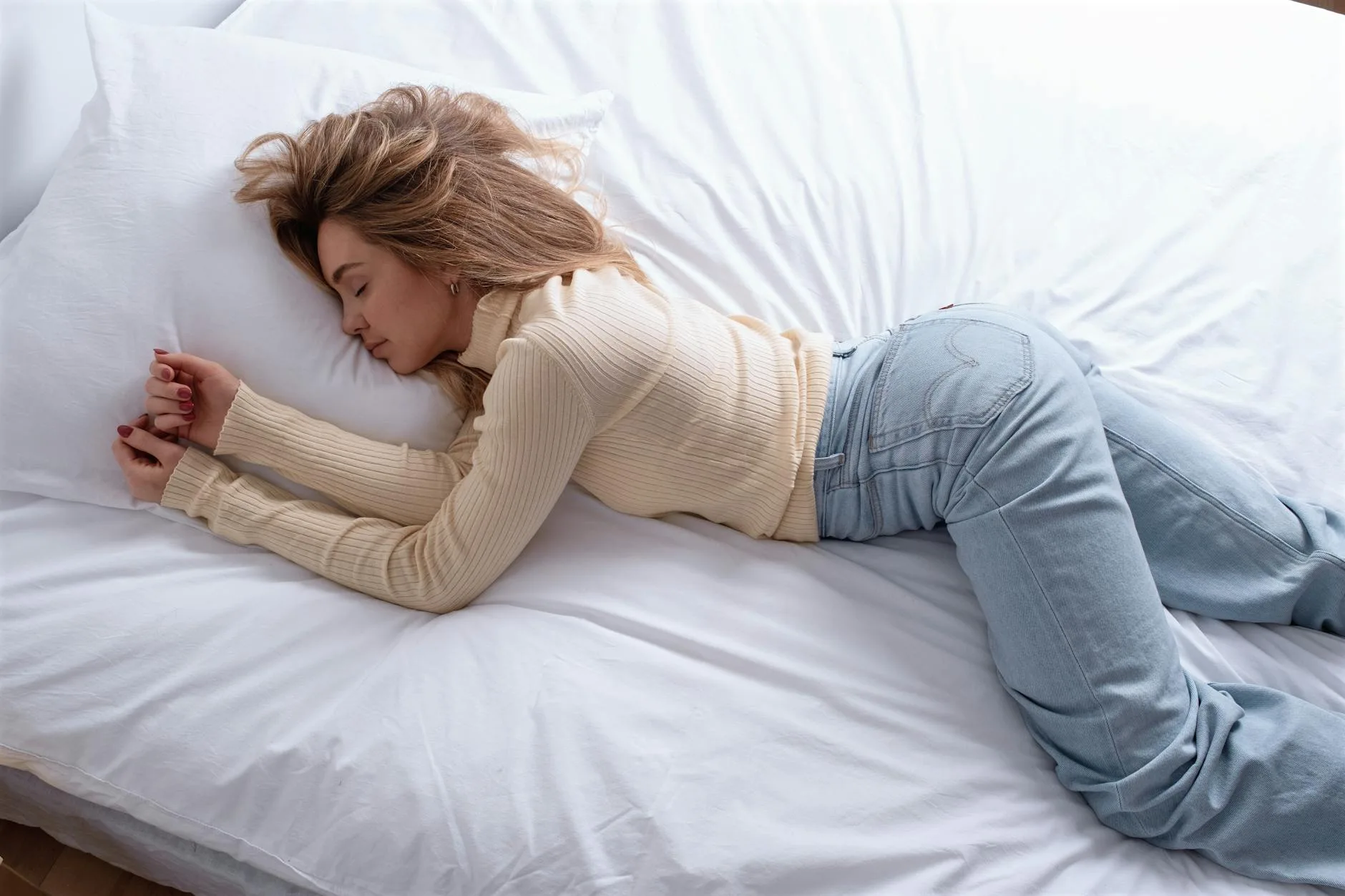
Winner: Latex (firm). Stomach sleepers need a firmer surface to prevent the hips sinking too far, which causes lower back strain. Firm latex provides the resistance needed without the sinking sensation of memory foam. A firm Dunlop latex layer is ideal.
Combination Sleepers
Winner: Latex. If you change positions throughout the night, latex’s responsiveness makes moving easier. Memory foam’s slow recovery can trap you in one position, making transitions effortful and disruptive to sleep.
Our Recommendations
- Best memory foam: Best Memory Foam Mattresses 2026 — our tested picks at every budget
- Best latex: Best Latex Mattresses 2026 — natural and synthetic options compared
- Best of both: A hybrid mattress with a latex or memory foam comfort layer over pocket springs combines the benefits of foam with the support and breathability of springs. Our hybrid mattress guide covers the top options
Frequently Asked Questions
Is latex or memory foam better for back pain? It depends on your sleeping position. Side sleepers with back pain typically prefer memory foam for its pressure relief. Back and stomach sleepers often prefer latex for its firmer, more consistent support. The NHS recommends choosing firmness based on your body weight and sleep position rather than material alone.
Do latex mattresses sleep cooler than memory foam? Yes — natural latex is much more breathable due to its open-cell structure and pin-hole design. Latex sleeps 1-2°C cooler than standard memory foam. If you’re a hot sleeper, latex is the better choice, though gel-infused memory foams narrow the gap somewhat.
How long does a latex mattress last compared to memory foam? Natural latex mattresses typically last 12-20 years. Memory foam mattresses typically last 7-10 years before developing permanent body impressions. Latex’s longer lifespan can make it cheaper per year despite the higher upfront cost.
Can you be allergic to latex mattresses? Latex allergies exist but are rare in the general population — they’re more common among healthcare workers with frequent latex glove exposure. Natural latex mattresses are covered by fabric layers that prevent direct skin contact, and the Talalay process removes most allergenic proteins. If you have a confirmed latex allergy, memory foam is the safer choice.
Are memory foam mattresses bad for you? No. Memory foam mattresses are safe for the vast majority of people. The off-gassing smell from new mattresses dissipates within 24-72 hours and the VOCs released are generally well below safety thresholds. If you’re sensitive to chemicals, look for CertiPUR-certified memory foam or choose natural latex instead.
If you are refining the same bedroom setup, compare this with Best Mattress Toppers 2026 UK: Memory Foam & Feather Tested.