Oura vs Whoop vs Fitbit for sleep: start with the Fitbit Charge 6 if you want useful overnight trends and a daytime fitness tracker without a required membership. Oura Ring 5 is the better form factor if a screen-free ring is what you will actually wear every night, but detailed insights require a paid membership. WHOOP One suits someone who will use sleep alongside training and recovery data; Inspire 3 is the simpler slim-band choice. The right tracker is the one you will wear consistently and whose ongoing costs you accept.
This is a research-led comparison of current device features and published evidence, not a hands-on wear test. We have not measured these four devices against a sleep laboratory or established that one gives the most accurate sleep stages. Use scores to explore patterns, not to diagnose why you feel tired.
In This Article
- Compare the four devices
- The four choices
- What the data can tell you
- Subscriptions, fit and phone compatibility
- The bottom line
- Frequently asked questions
How we chose
The comparison starts with decisions that change the purchase: ring or wrist, sleep-only focus or daytime fitness, phone compatibility, charging routine and the features left after a membership ends. We checked manufacturer specifications against the named device and used published sleep-device research for the limits of the data. A marketed “sleep score” is not a medical result, and there is no sound basis here for declaring one brand universally most accurate.
Four products cover distinct uses without padding the list with another near-identical band. The Oura button opens a silver Ring 5 in size 9, which is only one ring size; use the correct Ring 5 sizing kit and choose your own fit. The WHOOP button opens a WHOOP One 12-month membership, not an accessory strap. Device, membership and seller terms should be checked again before ordering.
Oura vs Whoop vs Fitbit sleep tracking at a glance
Choose the kind of feedback you will use rather than chasing a single-night REM number. The table is about practical roles, not a ranking of laboratory accuracy.
| Device | Best starting point | Key trade-off |
|---|---|---|
| Fitbit Charge 6 | Sleep trends plus GPS and everyday fitness | A wrist display to charge and wear overnight; advanced coaching is optional paid access |
| Oura Ring 5 | Screen-free overnight wear and detailed app insights | Size carefully; detailed insights need ongoing membership |
| WHOOP One with 5.0 | Training load and recovery alongside sleep | Membership-led product; check the 12-month term and renewal |
| Fitbit Inspire 3 | Slim band and basic sleep trends | Fewer training and smartwatch tools than Charge 6 |
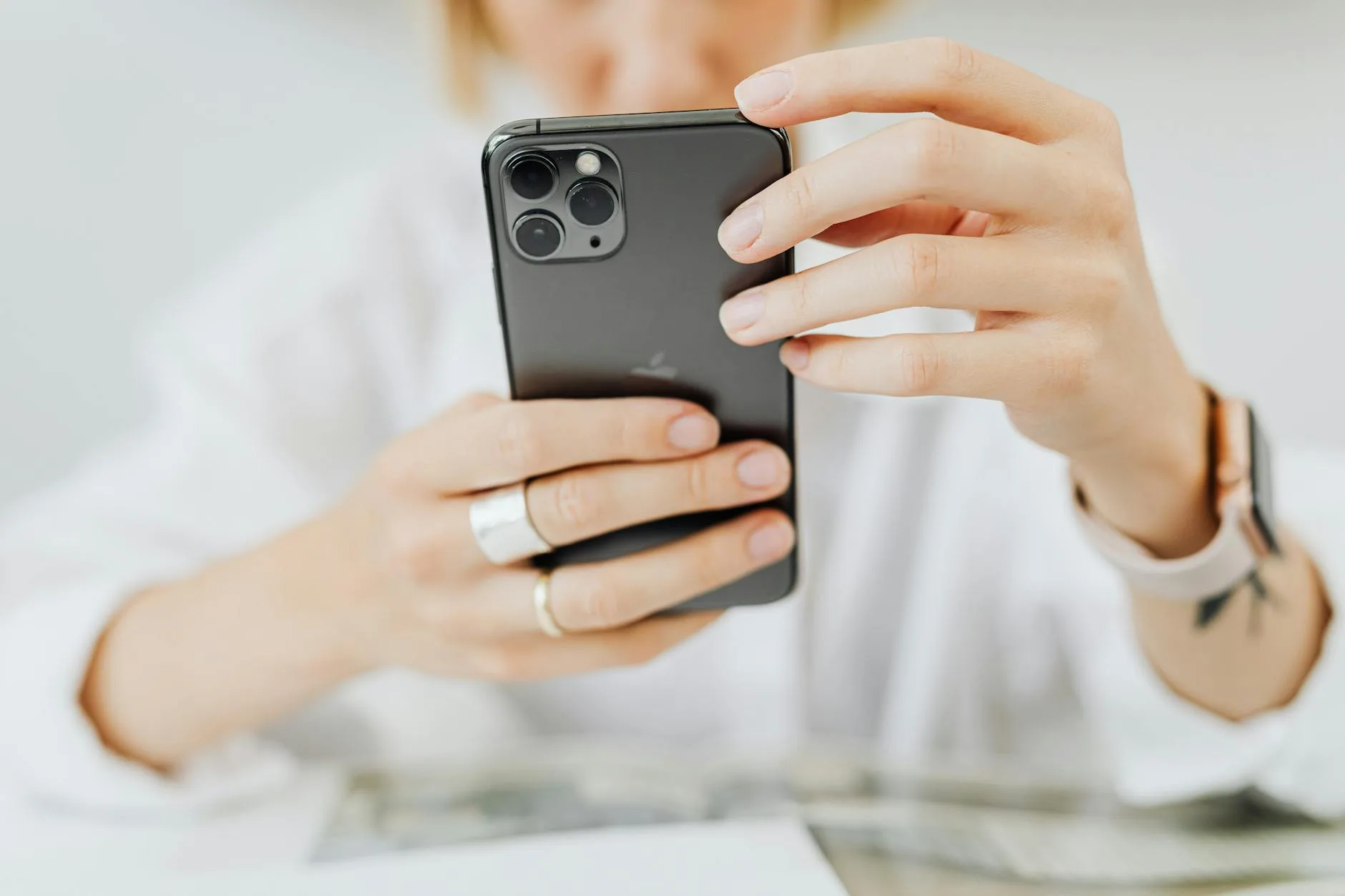
Four sleep trackers worth comparing
1. Fitbit Charge 6 — best all-round starting point
Charge 6 is the practical default because its ordinary Sleep Score and sleep-stage estimates sit alongside activity, heart-rate tracking and built-in GPS. Google’s Charge 6 feature page confirms the sleep tools and says battery life can reach seven days, depending on use. It is a better buy than a dedicated sleep device if you also want a daytime tracker and would rather avoid a required membership.
The compromise is wearing and charging a screen-equipped band overnight. Sleep Score is available without paying for extra coaching, while some deeper analysis and coaching sit behind Google Health Premium. Check the current app and account requirements before buying; do not assume an included trial lasts indefinitely. This is our overall recommendation for most readers, not a claim that it wins a sleep-lab accuracy test.

2. Oura Ring 5 — screen-free overnight choice
Oura describes Ring 5 as its current generation, with a thinner titanium design, overnight sleep analysis and a battery intended to last about a week. There is no screen or notification buzz in bed. Choose it if a wristband would stay on the bedside table but a ring feels natural enough to wear nightly.
The catch is fit and continuing cost. Ring 5 uses its own sizing kit, and the linked silver size 9 is not an invitation to guess your size from another ring or an older Oura generation. Oura says the useful detailed insights are limited without active membership. Check the current UK membership price and the seller’s return rules before committing; a ring that rubs at night is a poor sleep tracker however elegant the app.

3. WHOOP One with 5.0 — for training and recovery
WHOOP makes more sense for someone asking how last night’s sleep fits with training strain and recovery than for someone who just wants a bedtime report. The selected product is a WHOOP One 12-month membership with the 5.0 wearable. WHOOP’s membership guide lists sleep, strain and recovery in the One tier. There is no watch face to distract you overnight.
This is not an ordinary once-only tracker purchase. Check activation, the included term, renewal price and cancellation conditions before ordering; do not confuse the complete membership product with the many replacement straps sold separately. If you will not use training and recovery analysis regularly, the Charge 6 or Inspire 3 is a simpler route. WHOOP’s scores are prompts for reflection, not instructions to train through illness or ignore how you feel.

4. Fitbit Inspire 3 — slim basic band
Inspire 3 offers overnight duration and stage estimates, a Sleep Score and a smaller wrist profile than Charge 6. Google’s specification puts it at 17.69 g with up to ten days of battery life, though usage changes the interval. It is a sensible choice if a basic trend and a light band are enough and you do not want to pay for the wider Charge 6 feature set.
It is not a substitute for Charge 6 if you want built-in GPS or a richer on-wrist experience. Basic sleep feedback works without a continuing paid plan, but enhanced coaching and some extra analysis may need Google Health Premium. Ignore any old bundled-trial promise until you have checked the current seller terms; the ongoing feature difference matters more than a temporary trial.
What sleep data can — and cannot — tell you
Use repeated patterns, not one stage score
These devices infer sleep from signals such as movement and heart rate; they do not watch brain activity in the way a laboratory study does. A meta-analysis comparing wrist wearables with polysomnography found meaningful differences in sleep measures and cautioned that opaque algorithms limit interpretation. Research on one model or software version should not be transferred as an exact accuracy percentage for another.
Look at bedtime regularity, total sleep time and how you feel over several weeks. If a late evening keeps coinciding with shorter sleep, that is useful to notice; the device cannot prove the cause. Our sleep-schedule guide offers actions you can try without treating a score as a diagnosis. Light and noise still matter: compare light-blocking curtains white-noise options and bedroom colour choices if your room is the obvious issue.
Do not use a tracker to rule out a sleep problem
A normal-looking score does not rule out insomnia, sleep apnoea or another cause of persistent tiredness. If fatigue affects daily life, or you wake gasping, the NHS advises speaking to a GP. Bring your observations if helpful, but a consumer wearable is not the test that settles a diagnosis.
Subscriptions, fit and phone compatibility
Make a two-column budget before paying: what the hardware or first year includes, and what the next year costs. Oura’s deeper app experience needs membership; WHOOP One is itself a membership product. Both Fitbit bands give basic sleep feedback without a required ongoing plan, though paid extras exist. Prices and trial terms change, so check the current checkout and renewal details rather than rely on a fixed number in an article.
Fit is just as important. Try the correct Ring 5 sizing kit throughout a normal day and night before selecting a ring size. For the bands, check the strap range and whether you tolerate a device on your wrist while sleeping. Also check your phone and account: the Oura and Fitbit apps support iPhone and Android, while a buyer who chiefly wants messages and apps on the wrist may prefer a smartwatch rather than a dedicated sleep-first device. Our evening-light guide is a reminder that buying a tracker is optional; a more suitable routine may be the better first step.
The bottom line
For most people comparing Oura vs Whoop vs Fitbit for sleep, buy the Fitbit Charge 6 first: it gives useful trends plus daytime fitness tools without forcing a subscription. Choose Oura Ring 5 if screen-free overnight comfort and its app are worth the separate membership, but size it properly. Choose WHOOP One only if training recovery will justify its continuing membership. Pick Inspire 3 when a lighter, simpler band is exactly the point. No device here can tell you, from one sleep-stage chart, why you feel unwell.
Frequently Asked Questions
Which sleep tracker is the best starting point without a required membership? Fitbit Charge 6 gives basic sleep tracking and a Sleep Score alongside daytime fitness features without a required continuing plan. Fitbit Inspire 3 is a slimmer alternative if you want fewer extras. Optional paid coaching is separate.
What do I need to check before buying an Oura Ring 5? Use the Ring 5 sizing kit rather than an ordinary jewellery size or an older Oura kit. The button here opens silver size 9 only; choose your own size. Detailed app insights need an active membership, so check its current UK cost and the seller’s return terms.
Does the WHOOP One product include the wearable or just a strap? The selected WHOOP One product is a 12-month membership with a 5.0 wearable, not a replacement strap. Confirm the product contents, activation, renewal and cancellation terms at checkout.
How accurate are sleep-stage numbers from a ring or band? Treat light, deep and REM estimates as approximate trends. Consumer devices infer stages from indirect signals rather than recording the brain activity used in a sleep laboratory. One unusual night or a low stage score is not a diagnosis.
When should I seek help rather than buy a tracker? Speak to a GP if tiredness affects daily life, sleep difficulties persist, or you wake gasping or choking. A consumer sleep tracker cannot diagnose or rule out a sleep disorder.