You’re standing in John Lewis, pinching the corner of a duvet through its packaging, and the label says “10.5 tog hollowfibre fill.” The one next to it is a 10.5 tog Hungarian goose down for three times the price. They’re the same warmth rating. Same size. But one costs £45 and the other costs £180. What exactly are you paying for?
The filling inside your duvet is the single biggest factor in how it feels to sleep under. Tog rating tells you the warmth, but the filling determines whether it drapes around your body like a cloud or sits on top of you like a weighted slab. It affects breathability, moisture management, weight, lifespan, and how often you wake up kicking the covers off because you’re overheating. Getting this right is worth more to your sleep quality than any mattress topper or pillow.
In This Article
- How Duvet Fillings Actually Work
- Goose Down: The Premium Standard
- Duck Down: Good Value Alternative
- Microfibre and Hollowfibre
- Silk Filled Duvets
- Wool Filled Duvets
- Bamboo and Other Natural Fills
- Filling Types Compared
- Which Filling for Hot Sleepers
- Which Filling for Allergies
- How to Care for Different Fillings
- Our Picks by Budget
- Frequently Asked Questions
How Duvet Fillings Actually Work
All duvet fillings work on the same principle: they trap pockets of air between fibres, and those air pockets insulate you from the cold. The more air a filling can trap per gram of weight, the warmer and lighter the duvet feels. This is why a 700g goose down duvet can be warmer than a 2kg synthetic one — down clusters trap vastly more air for their size.
Fill Power and Loft
Fill power is a measurement used for natural down that describes how many cubic inches one ounce of down occupies when fully lofted. Higher fill power means more air trapped per gram, which means more warmth for less weight.
- 500-600 fill power — budget down. Decent warmth but noticeably heavier.
- 600-750 fill power — mid-range. The sweet spot for most people. Warm, not too heavy, reasonable price.
- 750-900 fill power — premium. Remarkably light and warm. What luxury hotels use.
Synthetic fillings don’t use fill power measurements because they work differently — they trap air through the structure of the fibres themselves rather than through natural cluster shapes.
The Tog System
The British Standards Institution (BSI) rates duvets by tog, which measures thermal resistance. It’s the same regardless of filling type:
- 4.5 tog — summer weight
- 7.5 tog — spring/autumn
- 10.5 tog — all-season (most popular in the UK)
- 13.5-15 tog — winter weight
The filling type doesn’t change the tog — a 10.5 tog synthetic is as warm as a 10.5 tog down. What changes is the weight, breathability, and feel at that tog rating.
Goose Down: The Premium Standard
Goose down remains the gold standard for duvet filling, and for good reason. If you can afford it, a quality goose down duvet will likely be the most comfortable duvet you’ve ever slept under.
What Makes It Special
Down clusters are three-dimensional — they look like tiny dandelion heads with hundreds of filaments radiating outward. These filaments interlock loosely, creating millions of air pockets that trap warmth while allowing moisture to pass through. No synthetic material has successfully replicated this structure despite decades of trying.
Hungarian vs Canadian vs Regular
- Hungarian goose down is considered the best because Hungary’s cold winters produce geese with larger, more resilient down clusters. Expect to pay £150-300 for a king-size 10.5 tog.
- Canadian goose down is similar quality to Hungarian. The cold Canadian climate produces equally good down. Slightly less common in UK shops.
- Standard goose down (often Chinese-sourced) is cheaper at £80-150 for king-size but typically lower fill power and less durable.
The Feel
I switched to a John Lewis Hungarian goose down duvet about two years ago, and the difference from my old hollowfibre was immediate. It drapes around you rather than sitting on top. It’s remarkably light — the 10.5 tog version weighs about 900g for a king-size, compared to nearly 2kg for synthetic equivalents. You barely feel it, but you’re warm. On mild nights, you don’t overheat because the down breathes and releases moisture. It’s the closest thing to sleeping under a warm cloud that actually exists.
The Downsides
- Price — you’ll pay £150-300 for quality goose down
- Not vegan — down is an animal product (a byproduct of the food industry, but still)
- Allergies — some people react to down, though modern washed and treated down is far less allergenic than it used to be
- Washing — most need professional cleaning or very careful machine washing at low temperatures
What to Look For
Check for the Downpass or Responsible Down Standard (RDS) certification. These guarantee no live-plucking and traceable supply chains. John Lewis, The White Company, and Soak & Sleep all stock certified down duvets.
Duck Down: Good Value Alternative
Duck down works on exactly the same principle as goose down — three-dimensional clusters trapping air. The main difference is that duck down clusters are smaller, which means slightly lower fill power per gram.
How It Compares to Goose Down
- Warmth-to-weight ratio: about 15-20% lower than equivalent goose down. You’ll need slightly more duck down to achieve the same tog.
- Durability: slightly shorter lifespan (7-10 years vs 10-15 for goose)
- Smell: duck down can retain a faint odour when new, particularly with cheaper brands. This fades after airing.
- Price: about 30-40% cheaper than goose down at equivalent quality levels
Who It’s For
If you want the natural down experience without the full goose down price tag, duck down is the practical choice. A decent duck down king-size 10.5 tog costs £80-120 from retailers like Dunelm, Argos, or Amazon UK. For most people, the difference between duck and goose down is far less noticeable than the difference between either and synthetic.
A Note on Feather-and-Down Blends
Watch out for “duck feather and down” duvets, which are mostly flat feathers with a small percentage of actual down. A “60% feather, 40% down” duvet will feel heavier and less luxurious than pure down. The feather quills can also poke through the casing over time. If you see “feather and down” in the name, check the exact percentage — anything under 50% down is a feather duvet with marketing ambition.
Microfibre and Hollowfibre
Synthetic fillings are the most affordable option and have improved enormously over the past decade. If you’re on a budget, allergic to down, or vegan, synthetics are your go-to.
Hollowfibre: The Budget Standard
Hollowfibre is exactly what it sounds like — synthetic polyester fibres with a hollow core that traps air. It’s the filling in most duvets under £50.
- Pros: cheap (king-size 10.5 tog from about £15-30), machine washable at 40-60°C, hypoallergenic, vegan
- Cons: heavy compared to down at the same tog, doesn’t breathe well (traps heat and moisture), goes flat and lumpy within 1-3 years, not great for hot sleepers
Microfibre: The Upgrade
Microfibre fillings use finer, softer strands that mimic the feel of natural down more closely. Think of it as hollowfibre’s more sophisticated cousin. Premium microfibre duvets from brands like Snuggledown, Silentnight, and Slumberdown cost £30-70 for a king-size and feel noticeably softer than basic hollowfibre.
Ball Fibre and Cluster Fibre
Some synthetic duvets use “ball fibre” or “cluster fibre” — strands rolled into small spheres that prevent the flat spots and shifting that plague basic hollowfibre. These are the best synthetic fillings available, getting closest to the lofty feel of down without using animal products. The Simba Hybrid Duvet (about £129) uses this approach and is one of the few synthetics I’d compare favourably to budget natural down.
How Long They Last
Here’s the honest truth about synthetic duvets: they don’t age well. After 2-3 years of regular use and washing, hollowfibre goes flat. Microfibre lasts a bit longer — maybe 3-5 years. If you’re buying a £20 duvet every two years, you’ll spend £100 over a decade. A £120 duck down duvet lasting 8-10 years actually costs less per year.
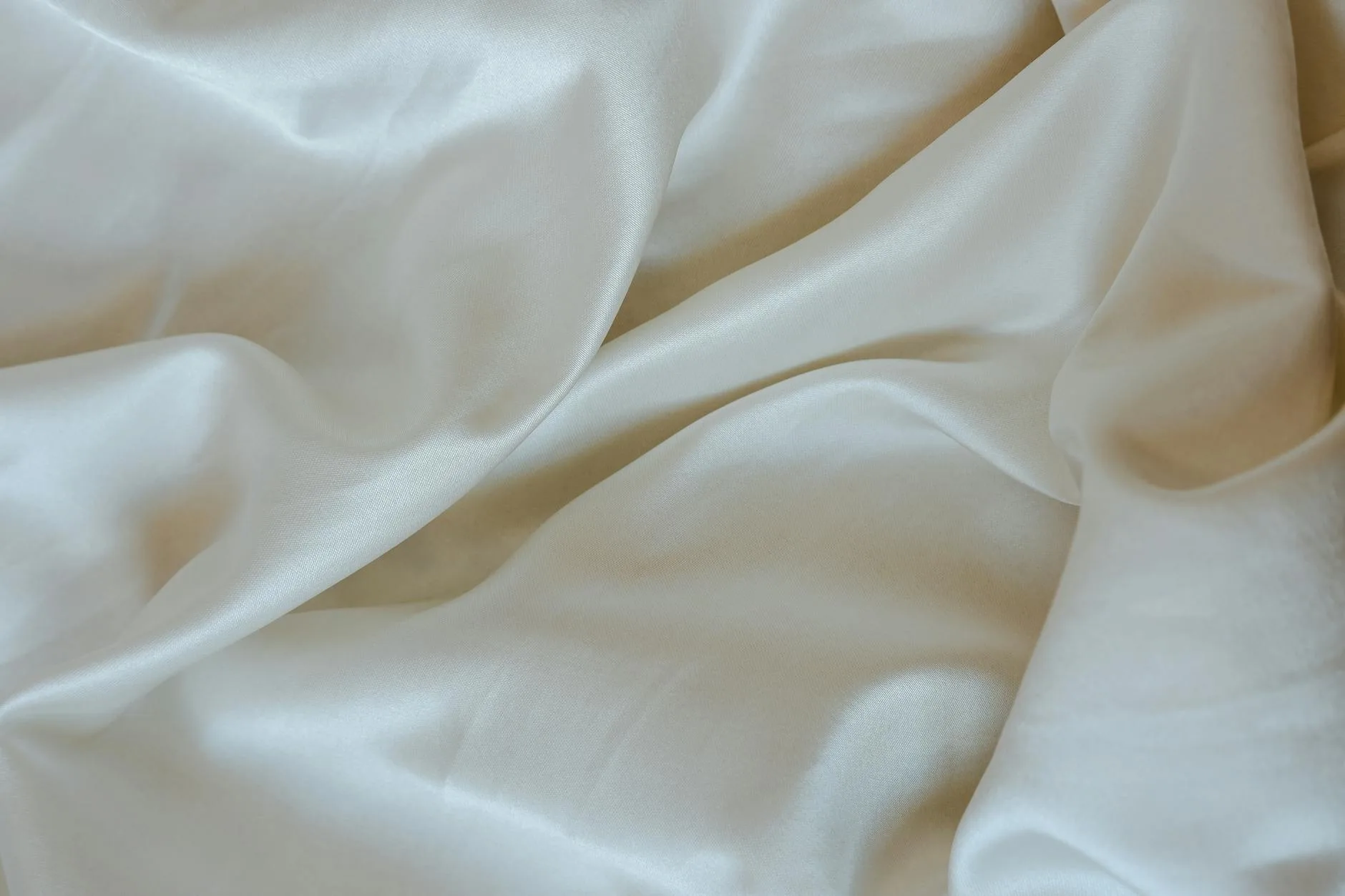
Silk Filled Duvets
Silk duvets are the temperature regulation champions. If you sleep hot, share a bed with someone who sleeps at a different temperature, or live in a house where the bedroom swings between freezing and stuffy, silk is worth a serious look.
How Silk Filling Works
Silk duvets use layers of long silk fibres (called mulberry silk when sourced from silkworms fed exclusively on mulberry leaves). Unlike down clusters that trap air in pockets, silk fibres create a naturally breathable matrix that wicks moisture away from your body and regulates temperature more responsively than any other filling.
The Temperature Regulation Advantage
This is silk’s killer feature. Owners consistently report that silk duvets keep you warm in winter without making you overheat in summer. The fibres respond to your body temperature — as you warm up, they release heat more efficiently; as you cool down, they retain it. It’s not magic, it’s physics — silk has a natural ability to absorb up to 30% of its weight in moisture without feeling damp.
Price and Practicality
Silk duvets are expensive: £150-400 for a king-size. They’re also delicate — most cannot be machine washed (professional cleaning recommended) and they don’t loft as noticeably as down, so they feel flatter and thinner even at equivalent warmth ratings. If you’re used to the puffy look of a down duvet, silk will look disappointingly thin on the bed even though it keeps you just as warm.
Our Take
If you’re a hot sleeper who’s tried everything — lighter togs, cotton sheets, opening the window — silk is worth the investment. Gingerlily and John Lewis both stock quality mulberry silk duvets. But if you sleep normally and just want something warm and cosy, you’ll get more tactile comfort from down or even premium microfibre.
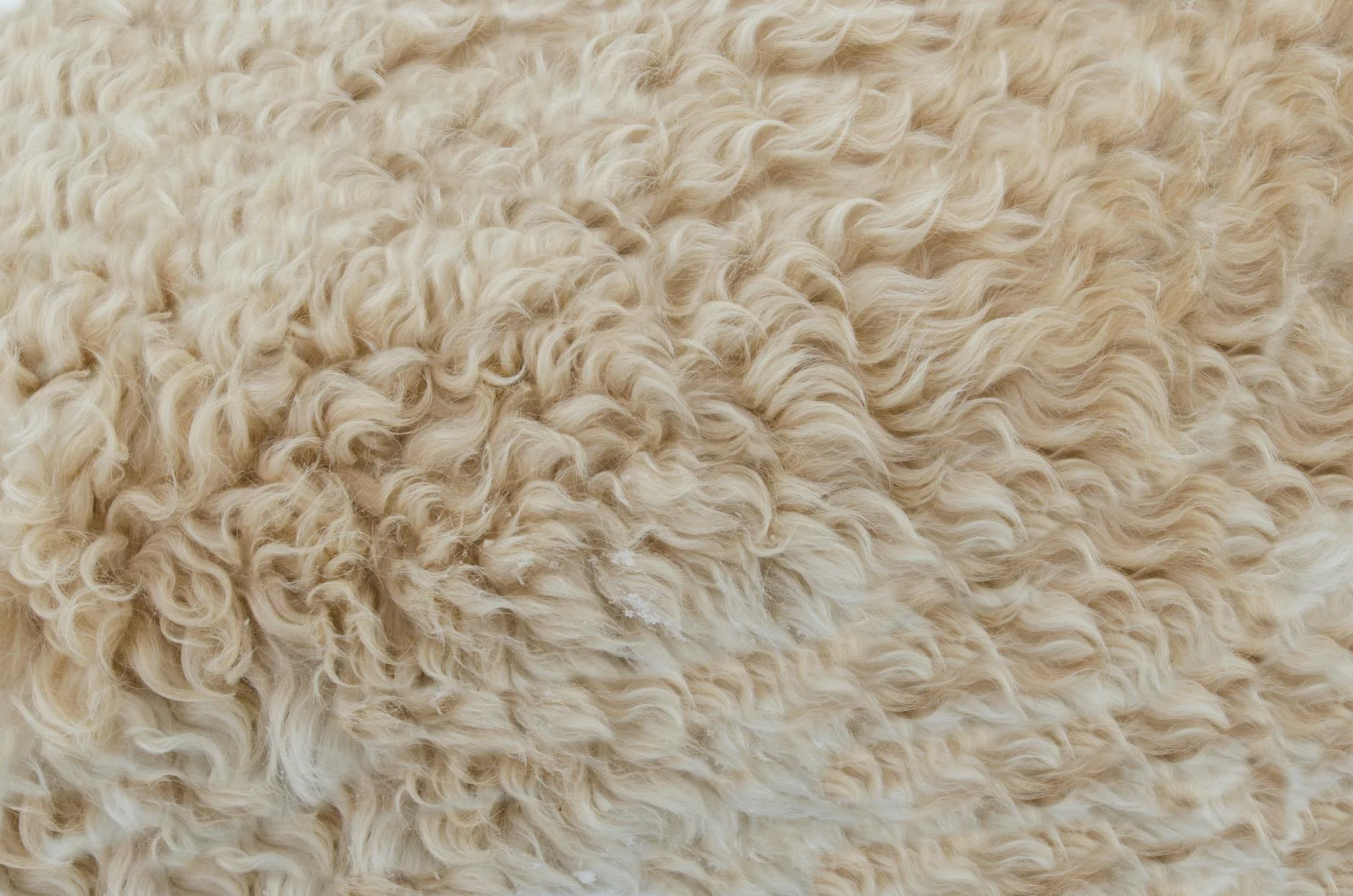
Wool Filled Duvets
Wool duvets are having a quiet renaissance. They were considered old-fashioned for years, but growing interest in natural, sustainable bedding has brought them back — and they deserve it.
British Wool: Local and Sustainable
The UK produces excellent wool, and brands like Devon Duvets, Baavet, and The Wool Room make duvets using 100% British wool. There’s something satisfying about sleeping under a filling that grew on a sheep in Devon rather than one manufactured from petroleum in a factory in China.
How Wool Performs
- Temperature regulation: excellent — second only to silk. Wool fibres naturally wick moisture and adjust to body temperature.
- Breathability: superior to synthetic, comparable to down. You rarely overheat under wool.
- Hypoallergenic: naturally resistant to dust mites and mould. Good choice for allergy sufferers.
- Firmness: wool duvets feel different from down. They’re denser and less “fluffy” — more like being wrapped in a warm blanket than sleeping under a cloud. Some people love this; others find it too heavy.
- Durability: 8-15 years with proper care. Wool is naturally resilient and springs back after compression.
Price
King-size wool duvets run £100-250. The Woolroom Deluxe (about £180 from thewoolroom.com) is consistently rated the best by UK review sites and the one I’d recommend if you’re trying wool for the first time.
The Catch
Wool duvets need specialist cleaning or careful hand washing. They can’t go in a standard domestic washing machine — the agitation felts the wool fibres and ruins the duvet. Some newer wool duvets (like the Woolroom’s washable range) are machine-washable at 30°C, but check before you buy.
Bamboo and Other Natural Fills
Bamboo Fibre
Bamboo-filled duvets have appeared on the market in recent years, marketed as eco-friendly alternatives. The reality is more complicated. The bamboo itself is sustainable, but converting bamboo stalks into soft duvet filling (bamboo viscose or bamboo lyocell) requires heavy chemical processing. It’s not the green miracle the marketing suggests.
Performance-wise, bamboo fills are similar to premium microfibre — decent breathability, hypoallergenic, machine washable, moderate lifespan. Price is £50-100 for king-size. They’re fine, just not special enough to justify choosing them over established options.
Hemp
Hemp-filled duvets exist but are rare in the UK market. Hemp is naturally antimicrobial and breathable, but the filling tends to feel stiff and heavy compared to alternatives. Not recommended unless sustainability is your primary concern above all else.
Recycled Polyester
An increasing number of brands (Silentnight, The Fine Bedding Company) offer duvets filled with recycled plastic bottles. Performance is similar to standard hollowfibre — the recycling process doesn’t change how the fibres work. It’s a worthwhile environmental choice if you’re buying synthetic anyway.
Filling Types Compared
Warmth-to-Weight Ratio (best to worst)
- Goose down — lightest for equivalent warmth by far
- Duck down — close to goose, slightly heavier
- Silk — lightweight but flat-feeling
- Wool — noticeably heavier than down at same tog
- Premium microfibre — heavier still
- Hollowfibre — heaviest option for equivalent warmth
Breathability (best to worst)
- Silk — the champion of moisture wicking
- Wool — excellent natural breathability
- Goose/duck down — very good, better than any synthetic
- Bamboo — decent
- Premium microfibre — moderate
- Hollowfibre — poor, traps heat and moisture
Lifespan
- Goose down — 10-15 years
- Wool — 8-15 years
- Duck down — 7-10 years
- Silk — 5-10 years
- Premium microfibre — 3-5 years
- Hollowfibre — 1-3 years
Price (king-size 10.5 tog)
- Hollowfibre — £15-30
- Premium microfibre — £30-70
- Bamboo — £50-100
- Duck down — £80-120
- Wool — £100-250
- Goose down — £150-300
- Silk — £150-400
Which Filling for Hot Sleepers
If you regularly wake up sweating, kicking the covers off, or sleeping with one leg out, your duvet filling could be the culprit. Here’s the hierarchy for hot sleepers, from best to worst:
Top Pick: Silk
Silk’s moisture-wicking properties are unmatched. Based on UK user reviews, hot sleepers who switch to silk consistently report the most dramatic improvement. The Gingerlily Pure Mulberry Silk duvet (about £280 for king-size) is the most recommended silk duvet on UK forums and review sites.
Runner-Up: Wool
Wool regulates temperature almost as well as silk and costs less. The natural lanolin in wool fibres repels dust mites too, which is a bonus. If silk’s price puts you off, wool is the practical alternative for hot sleepers.
Avoid: Hollowfibre
Synthetic fillings trap heat and moisture. If you’re already a hot sleeper, a hollowfibre duvet will make it worse. Switching from synthetic to any natural filling — even budget duck down — will likely improve your sleep temperature. And if you’re also looking at cooling duvets specifically, the filling type matters even more than the tog rating for temperature control.
Which Filling for Allergies
Dust mites are the most common bedroom allergen, and your duvet filling plays a significant role. The NHS recommends using anti-allergy bedding to reduce exposure to dust mite allergens.
Best: Synthetic (Hollowfibre or Microfibre)
Synthetic fillings are naturally hypoallergenic and can be washed at 60°C — the temperature needed to kill dust mites. This makes them the most practical choice for severe allergy sufferers. Silentnight’s Anti-Allergy range (about £25-40 from Argos) is specifically designed for this purpose.
Also Good: Wool
Wool naturally resists dust mites because the lanolin creates an inhospitable environment for them. Some studies suggest wool bedding produces fewer allergy symptoms than synthetic. The Woolroom markets its products specifically to allergy sufferers and has clinical trial data to support the claims.
Down with Treatment
Modern treated down (like John Lewis’s “Allergy Protect” range) goes through additional washing and anti-microbial treatment that removes most allergens. If you want down but have mild allergies, treated options are worth considering. However, if your allergies are severe, stick with washable synthetics that you can launder regularly at high temperatures.
Understanding your bedding washing routine matters just as much as the filling — even hypoallergenic fillings build up allergens if you never wash the duvet.
How to Care for Different Fillings
Machine Washable Fillings
- Hollowfibre — 40-60°C, tumble dry low. Easy.
- Premium microfibre — 40°C, tumble dry low. Check the label.
- Some wool — 30°C gentle cycle. Only specific “washable wool” products.
Professional Clean Only
- Goose and duck down — professional cleaning recommended, or 30°C delicate cycle in a large-capacity machine with tennis balls to prevent clumping. Dry on low heat for 2-3 hours until completely dry (damp down grows mould).
- Silk — professional cleaning only for most brands. Never tumble dry.
Universal Tips
- Air your duvet daily — pull it back and let body moisture evaporate for 20-30 minutes before making the bed
- Use a duvet cover — extends the time between washes considerably
- Store in a breathable cotton bag — never plastic, which traps moisture and causes mildew. This applies to choosing your bedding materials wisely too — the filling is only part of the equation.
Our Picks by Budget
Under £30: Silentnight Eco Comfort Hollowfibre (about £25, Argos)
The best budget duvet. Machine washable, made from recycled bottles, and comfortable enough for the price. Will need replacing in 2-3 years, but at this price, that’s fair.
£50-100: Soak & Sleep Duck Down (about £85, soakandsleep.com)
Real duck down at a reasonable price. Noticeably lighter and more comfortable than any synthetic at this range. Good durability — expect 7+ years.
£100-200: The Woolroom Deluxe Washable Wool (about £180, thewoolroom.com)
Our favourite natural filling for most people. Temperature regulating, hypoallergenic, machine washable, and built to last 10+ years. The annual cost works out cheaper than replacing budget synthetics.
£200+: John Lewis Hungarian Goose Down (about £250, johnlewis.com)
The luxury choice that justifies its price over time. Incredible warmth-to-weight ratio, 15-year lifespan, and that unmistakable drape and softness. Certified responsible sourcing. If you can afford it, this is the one.
Frequently Asked Questions
Is goose down worth the extra money over duck down? For most people, duck down offers 80% of the experience at 60% of the price. The main differences are that goose down is slightly lighter and lasts longer. If you’re choosing between a cheap goose down and a quality duck down, go with the quality duck down every time.
Can you be allergic to down filling? True down allergies are rare — most reactions are actually to dust mites living in the duvet rather than the down itself. Modern treated down removes most allergens. However, if you have confirmed poultry allergies, avoid all natural down and choose synthetic or plant-based fillings.
How often should you replace your duvet? It depends on the filling. Hollowfibre: every 2-3 years. Microfibre: 3-5 years. Duck down: 7-10 years. Goose down: 10-15 years. Wool: 8-15 years. When your duvet looks flat, lumpy, or no longer keeps you warm at its rated tog, it’s time for a replacement.
What filling is best for a child’s duvet? For children, washability is the priority. A good microfibre filling that can handle 40-60°C washes regularly is more practical than down or wool. Silentnight and The Fine Bedding Company both make excellent children’s duvets with hypoallergenic synthetic fills.
Can you combine two duvets for winter? Yes — many brands sell “all-season” sets with a 4.5 tog and a 9 tog that button together for a 13.5 tog winter duvet. This works with any filling type and gives you flexibility year-round without buying multiple duvets.
If you are refining the same bedroom setup, compare this with Best Silk Pillowcases 2026 UK: Hair & Skin Benefits, How to Choose Bedding for Children, Best Duvets for All Seasons in the UK.