You’ve just caught your partner wrestling with the mattress corner, trying to flip the thing over, and suddenly you’re wondering if you’ve been sleeping wrong for years. Standing there in your pyjamas at 9pm on a Sunday, you’re both asking the same question: are we supposed to be doing this, and if so, how often?
The short answer is it depends entirely on what type of mattress you own. If you are still shopping, our complete guide to choosing a mattress covers every type in detail. Most modern mattresses — especially the foam and hybrid ones you’ll find in John Lewis or delivered from Emma — don’t need flipping at all. But some traditional spring mattresses benefit from it, and there’s a proper way to tell the difference.
This isn’t just about following manufacturer instructions to keep your warranty valid. It’s about getting the best sleep possible and making your mattress last as long as it should — the NHS recommends a comfortable, supportive mattress as key to good sleep — for the £500-1,500 you’ve likely spent on it.
When You Should Flip Your Mattress
Traditional innerspring mattresses with identical comfort layers on both sides are the main candidates for flipping. These are typically older or budget models where the top and bottom surfaces feel exactly the same when you run your hand over them.
If you can flip your mattress and sleep comfortably on either side, you probably should. The key test is simple: strip the bedding off and feel both surfaces. If they’re essentially identical in firmness and materials, flipping every 3-6 months helps distribute wear evenly.
Most mattresses sold in the UK before 2010 fall into this category. Brands like Silentnight, Rest Assured, and Sealy still make some traditional two-sided spring mattresses. You can see how these stack up in our best pocket sprung mattresses roundup. They, though they’re increasingly rare. You’ll typically find them in furniture stores rather than the bed-in-a-box market.
Benefits of flipping when appropriate:
- Even wear distribution — prevents permanent body impressions forming on one side
- Longer lifespan — in practice doubles the usable surface area of your mattress
- Maintained support — springs don’t get compressed in the same spots repeatedly
- Better sleep quality — no sagging areas developing where you sleep most often
The downside is the effort involved. Flipping a king-size mattress properly requires two people and takes about 10 minutes when done safely.
When You Shouldn’t Flip Your Mattress
Memory foam mattresses should never be flipped. These have distinct layers engineered to work in a specific order: typically a soft top layer for pressure relief, a transition layer, and a firm base layer. Flip it over and you’re sleeping on the hard base foam — uncomfortable and potentially harmful to the mattress structure.
Hybrid mattresses — those combining springs with foam layers — almost always have a designated top and bottom. The comfort layers (memory foam, latex, or gel) are only on the sleeping surface. The bottom is usually a plain fabric base or thin foam layer that’s not designed for sleeping.
Pillow-top mattresses obviously can’t be flipped. The extra cushioning layer is sewn onto one side only.
Box spring or divan bases aren’t designed to support a mattress from the “wrong” side, so flipping can actually damage both the mattress and base.
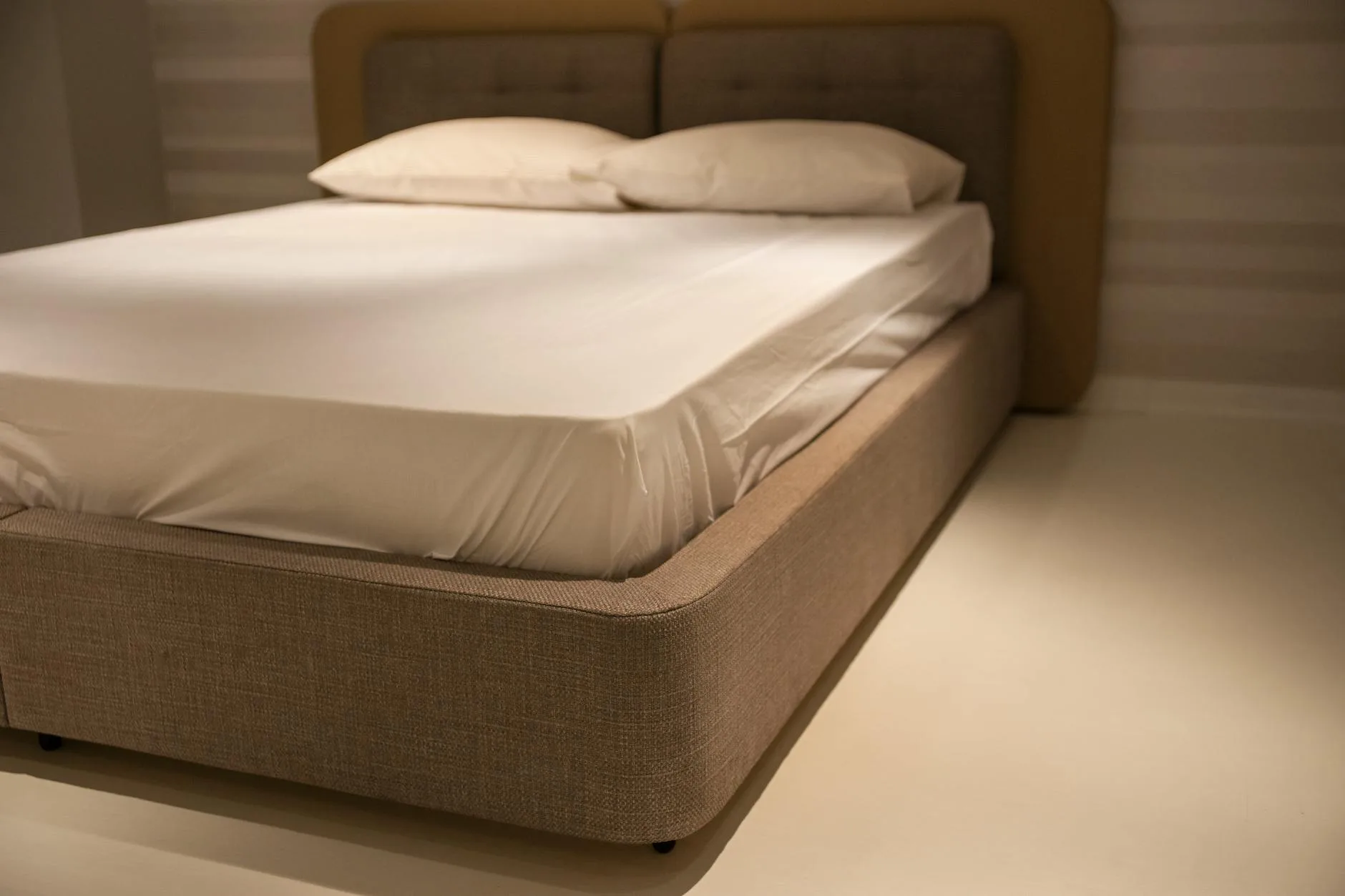
Modern Mattress Construction: Why Flipping Became Obsolete
Walk into any Dreams, Bensons for Beds, or browse the Emma website, and you’ll notice something: hardly any mattresses mention flipping in their care instructions. That’s because modern mattress design has fundamentally changed.
Zoned construction is now standard. Different areas of the mattress provide different levels of support — firmer around your hips where you need more support, softer around your shoulders and legs. This only works when the mattress is oriented correctly.
Progressive firmness layers create the “sinking in” feeling that people love about memory foam. A soft top layer gradually transitions to firmer support layers below. Flip it and you lose all of that carefully engineered comfort.
Cooling technologies like gel-infused foam or phase-change materials are built into specific layers, usually near the surface. Put those at the bottom and they can’t do their job.
One-sided design saves costs too. Manufacturers can put all their engineering effort into creating the perfect sleeping surface rather than making both sides equally comfortable.
The Difference Between Flipping and Rotating
Here’s where many people get confused. Rotating your mattress (turning it 180° so the head becomes the foot) is different from flipping it over entirely.
Most mattresses should be rotated every 3-4 months, even if they can’t be flipped. This prevents wear patterns from forming where your body naturally lies. If you’re a couple and always sleep on the same side, rotating ensures both sides of the mattress get equal use.
How to rotate properly: 1. Strip all bedding and pillows 2. Walk the mattress around 180° rather than trying to lift and turn it 3. The head of your bed should now be where your feet were 4. Replace bedding and settle in for better support
Some couples rotate monthly and barely notice any wear even after 8 years. Others ignore rotation entirely and find permanent body impressions forming within 2 years.
Hybrid mattresses particularly benefit from rotation. The spring layer distributes your weight differently when you change position, preventing premature sagging.
How to Tell if Your Mattress Needs Flipping
Check the label first. Every mattress sold in the UK must have a care label. If it says “do not flip” or only mentions rotation, trust it.
Feel both surfaces. Strip the mattress completely and run your hands over both sides. If one side feels different — softer, firmer, or has different materials — it’s designed to be one-sided.
Look for quilting patterns. Intricate quilting, pillow tops, or obvious comfort layers usually indicate the sleeping surface. The bottom typically has simpler, utilitarian stitching.
Consider the age. Mattresses over 10 years old are more likely to be flippable, especially if they’re traditional innerspring models.
Check the manufacturer’s website. Even if you’ve lost the care instructions, most brands publish care guides online. Search for your model number or brand name plus “care instructions.”
What Happens if You Flip When You Shouldn’t
Immediate discomfort is the most obvious sign. If you flip your mattress and suddenly can’t get comfortable, you’ve probably put the sleeping surface on the bottom.
Warranty voiding is a real risk. Most UK mattress warranties specifically exclude damage from improper use, and flipping a one-sided mattress counts.
Accelerated wear can occur because the bottom layer isn’t designed to handle body weight and movement. Base layers are engineered for stability, not resilience against constant pressure.
Support issues develop quickly. Your bed frame and base are designed to support the mattress in its correct orientation. Flipping can create uneven weight distribution that damages both the mattress and base.
Mattress Maintenance Beyond Flipping
Whether your mattress needs flipping or just rotating, proper care extends its life noticeably.
Use a mattress protector. This isn’t just about spills — it protects against dust mites, dead skin cells, and oils that break down mattress materials over time. Brands like Silentnight and Protect-A-Bed make waterproof options starting around £20 that you can wash regularly.
Vacuum monthly. Use the upholstery attachment to remove dust and debris. Pay attention to seams and the area where the mattress meets the base. Most people neglect this completely then wonder why they’re sneezing at night.
Air it out regularly. Strip all bedding and let the mattress breathe for a few hours. Open windows if possible. Moisture trapped in mattress layers creates ideal conditions for dust mites and can break down foam.
Rotate seasonal timing. Many couples rotate when the clocks change — spring forward, autumn back, rotate your mattress. It’s an easy schedule to remember.
Address spills immediately. Blot, don’t rub. Use enzyme cleaners for biological spills. The longer moisture sits in a mattress, the harder it becomes to remove and the more likely mould becomes an issue.
Popular UK Mattress Brands and Their Flipping Requirements
Emma mattresses are all memory foam and specifically designed not to be flipped. The company actually voids warranties for flipping. Rotation every 3-4 months is recommended.
Simba hybrids combine springs with foam layers in a specific order. Never flip, but rotate regularly. Their care guide emphasises that the quilted side is always the sleeping surface.
Eve mattresses use zoned foam construction with different firmness levels for different body areas. Flipping destroys this and definitely voids the warranty.
Silentnight still makes some traditional two-sided spring mattresses alongside their modern foam models. Check your specific model — their website has detailed care instructions for each product line.
IKEA mattresses are mostly foam or hybrid designs that shouldn’t be flipped. Their spring mattresses clearly label which side is for sleeping.
Sealy Posturepedic models vary. Traditional spring models may be flippable, but most modern Posturepedic mattresses are one-sided with engineered zones.
If you’re unsure about your specific mattress, email the manufacturer with your model number. Most respond within 24 hours with proper care instructions.
The Economics of Mattress Flipping
Flippable mattresses cost more upfront because manufacturers must engineer both sides equally. A quality two-sided spring mattress from a UK manufacturer typically starts around £800 for a double, compared to £300-500 for equivalent one-sided models.
But they can last longer. If you flip properly and regularly, you’re essentially getting two mattresses worth of sleeping surface. Some traditional spring mattresses last 15-20 years with proper flipping, while one-sided mattresses typically need replacing after 7-10 years.
The catch is discipline. You need to actually flip every 3-6 months and rotate between flips. Miss the schedule and you lose the advantage. Most people start with good intentions then forget, which is why manufacturers moved to one-sided designs.
Factor in your sleep quality. A £1,200 mattress that gives you great sleep for 15 years costs £80 per year. A £400 mattress that needs replacing every 6 years costs £67 annually, but if you sleep worse, the calculation changes.
Common Mattress Flipping Mistakes
Flipping alone when you need help. King and super king mattresses are heavy and awkward. Attempting to flip solo risks injury and damage to the mattress or bedroom furniture.
Confusing flipping with rotating. These are different maintenance tasks. Flipping means turning over completely. Rotating means turning 180° end-to-end while keeping the same side up.
Flipping modern foam mattresses because “that’s what you’re supposed to do with mattresses.” This outdated advice can ruin expensive memory foam or latex mattresses.
Ignoring the manufacturer’s instructions. When in doubt, follow the care label. Manufacturers know their products better than generic advice online.
Flipping too frequently. Even flippable mattresses don’t need flipping monthly. Every 3-6 months is sufficient, and more frequent flipping can actually accelerate wear on some models.
When to Give Up on an Old Mattress
Sagging that doesn’t bounce back after removing weight indicates worn springs or compressed foam. If rotating and flipping don’t help, it’s time for replacement.
Persistent body impressions deeper than 3-4cm suggest the support layer has failed. This happens faster if you haven’t been maintaining properly, but eventually happens to all mattresses.
Poor sleep quality despite proper maintenance means the mattress is no longer serving its purpose. Age isn’t everything — some people need firmer support as they get older, while others need softer pressure relief.
Hygiene concerns like odours that don’t resolve with cleaning or visible staining throughout the mattress indicate it’s beyond saving.
Bottom Line
Do you flip your mattress? For most people reading this, the answer is no. Modern mattresses sold in the UK are engineered as one-sided products with specific comfort layers that only work when oriented correctly.
Instead, focus on rotating your mattress every 3-4 months and using a quality mattress protector. This simple maintenance extends mattress life noticeably without the hassle and potential damage of improper flipping.
If you own a traditional two-sided spring mattress — identifiable by identical comfort on both surfaces — flipping every 3-6 months along with regular rotation maximises its lifespan. Just ensure you can safely handle the weight and that your care routine is consistent.
The key is knowing what you own. Check your mattress label, feel both surfaces, and when in doubt, contact the manufacturer. Your back and your bank account will thank you for getting it right.
If you are refining the same bedroom setup, compare this with Mattress Foundations Explained: Slats, Platform & Box Spring, Emma vs Simba vs Eve: UK Mattress-in-a-Box Showdown, Mattress Sizes UK: Single, Double, King & Super King Explained, Mattress Certifications Explained: CertiPUR, OEKO-TEX & More.
Frequently Asked Questions
What is the quickest useful check for Do You Need to Flip Your Mattress? A Complete Guide? Start with the practical constraint: room size, sleeping position, heat level, budget or existing bed base. That usually narrows the decision faster than comparing every specification.
Does Do You Need to Flip Your Mattress? A Complete Guide matter for most UK bedrooms? Yes, if it affects comfort, temperature, support or routine. It matters less when the change is mainly cosmetic or duplicates something your current setup already does well.
What should you avoid when deciding on Do You Need to Flip Your Mattress? A Complete Guide? Avoid choosing only by price or marketing claims. Check measurements, materials, care instructions and return terms before buying or changing your setup.
What should I check first with Do You Need to Flip Your Mattress? A Complete Guide? Start with the real use case, then check size, compatibility, running costs and maintenance. A product that looks good on paper can still be the wrong fit if it does not suit the room, routine or budget.
How do I avoid wasting money on Do You Need to Flip Your Mattress? A Complete Guide? Avoid buying on one headline feature alone. Compare the practical details, read the warranty or returns terms, and choose the option that solves your main problem rather than the one with the longest specification list.