A hotel-style bed is mostly about tension, layers and restraint. You do not need a £900 mattress or a mountain of cushions to make a bed like a hotel in a UK home; you need a smooth base, crisp sheets, a duvet that fills its cover properly, pillows that stand up cleanly, and a finish that looks calm rather than staged.
In This Article
- The Hotel Bed Formula That Actually Matters
- What to Buy Before You Start
- How to Make Your Bed Like a Hotel Step by Step
- How Hotels Get Sheets, Pillows and Duvets Looking So Crisp
- Bedroom Details That Support the Hotel Look
- Common Hotel Bed Mistakes to Avoid
- Frequently Asked Questions
The Hotel Bed Formula That Actually Matters
The hotel look comes from a simple stack: protected mattress, taut fitted sheet, flat sheet if you like one, full duvet, two sleeping pillows, two display pillows and one controlled decorative layer. The mistake is thinking more means better. Most hotel beds look good because they are edited.
Crisp beats expensive
A £24-£34 John Lewis 200 thread count Egyptian cotton percale sheet can look more hotel-like than a much dearer rumpled sateen sheet if it is pulled tight and folded cleanly. Percale has that cool, papery feel people associate with hotel bedding. Linen can look beautiful, but it rarely gives the crisp hotel finish unless you enjoy a softer, relaxed version of the look.
Hotels also tend to use white or near-white bedding because it reads as clean, reflects light and makes the bed look bigger. At home, white, warm white, soft grey or oatmeal is easier to live with than bright pattern if you want the same calm feel.
Comfort still comes first
Do not build a bed you hate sleeping in. A heavy topper, high tog duvet and four extra cushions may look good for ten minutes, then become a nightly admin task. The NHS has practical advice on sleep and better rest, and the useful takeaway for a bedroom is simple: the room and bed should help you settle, not fight you.
If you already sleep hot, read our Cooling Bed Sheets for Hot Summer Nights before buying thick layers. A hotel bed that makes you overheat is just theatre.
The quick visual rule
Stand at the foot of the bed and ask three questions:
- Is the top surface smooth? If not, pull the sheet and duvet tighter.
- Do the pillows have shape? If not, replace tired pillows or use firmer cases.
- Is there one clear focal layer? If not, remove a cushion, throw or clashing colour.
That little check catches most problems.
What to Buy Before You Start
You can make a normal bed look far better with a few sensible upgrades. Spend on the layers that change shape and texture first, not decorative cushions.
The basic hotel-bed shopping list
For a double or king bed, realistic UK prices look like this:
- Mattress protector: £20-£38 for a cotton hotel-style protector from Dunelm, or £25-£60 for better waterproof or quilted versions.
- Mattress topper: £45-£120 for a padded cotton or microfibre topper; premium wool, down or memory foam options can be £120-£250.
- Fitted sheet: £16.80-£34 for John Lewis 200 thread count percale in current sale pricing, or roughly £20-£60 at M&S, Dunelm or Soak&Sleep.
- Flat sheet: £20-£45 for cotton percale; optional, but useful for the folded hotel turn-down.
- Duvet cover set: £25-£80 for cotton or cotton-rich hotel-style bedding at Dunelm, John Lewis, M&S or Next.
- Duvet: £30-£90 for a decent microfibre or hollowfibre duvet; £100-£250 for wool, feather/down or premium all-season sets.
- Pillows: £20-£60 per pair for decent anti-allergy or microfibre pillows; £60-£140 per pair for down, wool or premium memory foam.
- Throw or bed runner: £20-£70. Useful, but not essential.
If the mattress is lumpy, spend on a topper before buying decorative bedding. If the pillows collapse, replace pillows before buying a throw. The visible finish depends on the structure underneath.
Which bedding fabric looks most hotel-like?
Cotton percale is the safest choice. It looks crisp, washes well and feels cool. Sateen is smoother and slightly shinier, but it can look more glossy than hotel-crisp. Linen is breathable and stylish, though it gives a relaxed boutique look rather than a sharp five-star fold.
Our Thread Count Explained guide is useful here. Do not chase a huge thread count. A good 200-400 thread count cotton sheet is often better for this look than a heavy, dense sheet that traps heat.
Pillow numbers that work
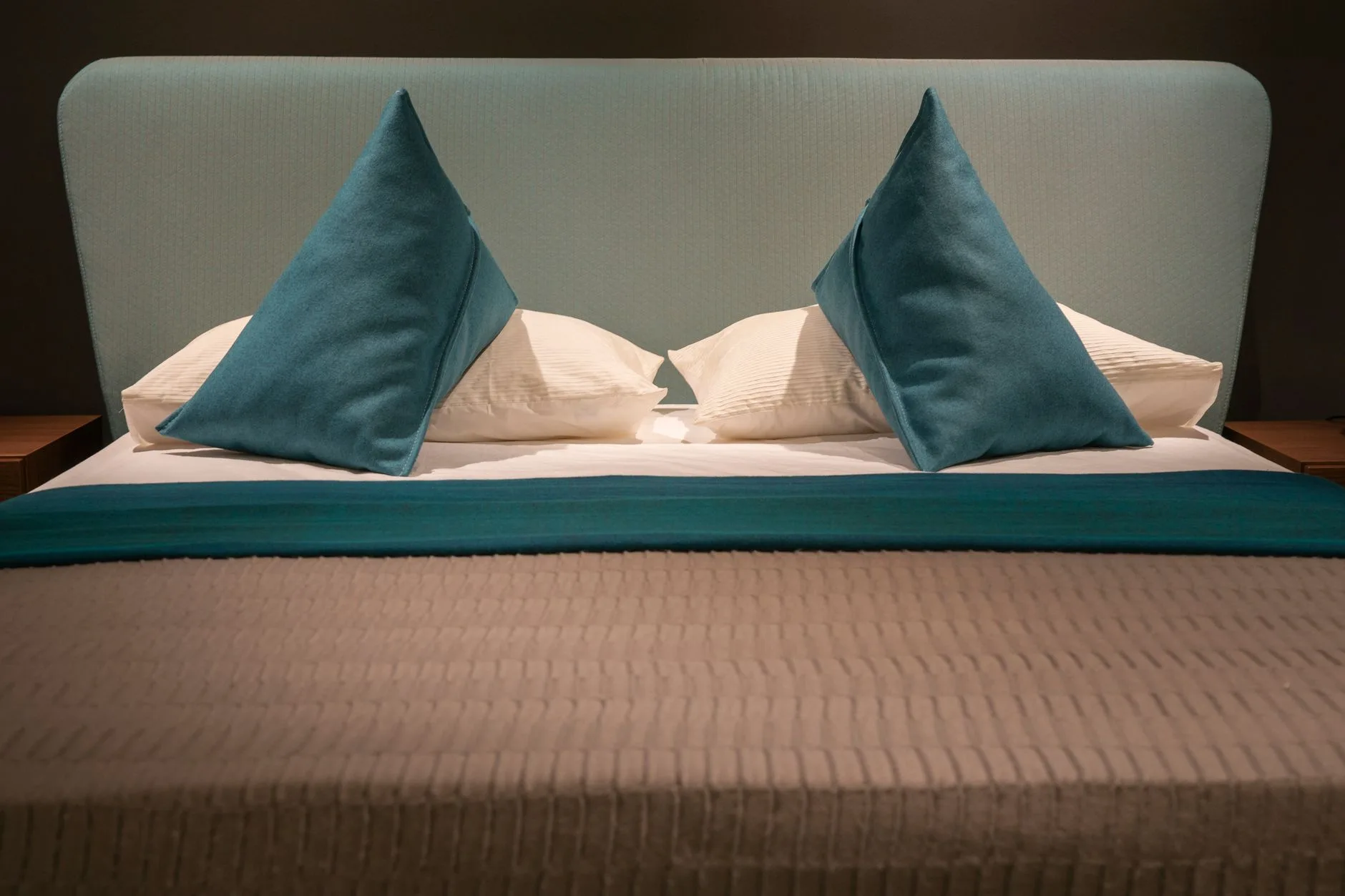
For a double or king bed, use four pillows if you can: two sleeping pillows at the back and two display pillows in front. Oxford pillowcases add a hotel edge and cost roughly £12-£35 per pair depending on fabric. Square European pillows look smart on a king bed, but they are optional and usually add £20-£60 per pair before cases.
If you are replacing pillows, our Pillow Types Explained guide will save you buying something that looks plump but sleeps badly.
How to Make Your Bed Like a Hotel Step by Step
This is the part that changes the bed fastest. Work from the mattress upwards and keep pulling fabric outwards, not upwards. Hotel beds look tight because every layer has been tensioned.
The step-by-step method
- Strip the bed fully. Take everything off, including the protector if it needs washing. A half-made bed never looks crisp.
- Smooth the mattress protector. Fit it evenly and pull the corners down so there are no ridges under the sheet.
- Add the topper if using one. Line it up with the mattress edge. If it has straps, secure them before the sheet goes on.
- Fit the fitted sheet tightly. Start at the head, pull the foot corners firmly, then run your hands across the top to push air and wrinkles out.
- Add a flat sheet if you want the proper hotel fold. Lay it wrong side up, with the top edge reaching the head of the bed. This means the neat side shows when folded back.
- Put the duvet inside the cover and fill the corners. Hold the top corners, shake hard, then smooth the duvet so the filling reaches every edge.
- Place the duvet on the bed and fold the top back. Fold it down by about 30-40cm to reveal the flat sheet or a clean band of duvet cover.
- Tuck the sides and foot if you like a tight hotel finish. For a softer home version, tuck only the foot and leave the sides looser.
- Stand pillows upright. Put sleeping pillows at the back, display pillows in front, and chop or smooth them depending on the pillow type.
- Add one throw or runner. Fold it across the bottom third of the bed. Keep it straight and wide rather than bunched in the middle.
The hospital corner shortcut
For a sharper finish with a flat sheet, tuck the foot end first. At each lower corner, lift the side fabric into a triangle, tuck the hanging lower piece under the mattress, then fold the triangle down and tuck it along the side. It sounds fussy written down, but after two tries it becomes muscle memory.
If your mattress is very deep, buy deep fitted sheets rather than fighting standard corners. A deep fitted sheet costs about £20-£45 in cotton percale and saves a lot of swearing. No judgement; fitted sheets are weirdly good at making adults feel incompetent.
How Hotels Get Sheets, Pillows and Duvets Looking So Crisp
The bed-making method matters, but laundering and filling matter too. A clean fold cannot hide a duvet cover that is too large for the duvet or pillows that have given up.
Wash bedding often enough
Fresh bedding holds shape better and smells cleaner. Our How Often Should You Wash Your Bedding? guide covers the hygiene side, but for the hotel look the practical point is this: clean sheets pull smoother, and pillowcases sit flatter.
Wash sheets and pillowcases weekly if you can. Duvet covers can often go weekly or every two weeks depending on use, pets, sweat and whether you use a flat sheet. Mattress protectors are usually every one to two months unless there is a spill.
Dry properly before folding
Do not put bedding away slightly damp. It creases, smells stale and can make the bed feel clammy. Line drying gives a fresh finish when the weather behaves; tumble drying on a low or medium setting is more realistic for most UK weeks.
If you iron only one thing, iron the pillowcases and the top 40cm of the flat sheet or duvet cover. That is the area people see. A basic steam iron costs £20-£50; a garment steamer can be £35-£100, but an iron is still better for sharp bedding.
Make the duvet fit the cover
A duvet that is too small for its cover looks flat at the edges. A duvet that is too thick for a warm room looks luxurious but sleeps badly. Match size first, then tog. For many UK homes, a 10.5 tog duvet is a sensible all-rounder, while hot sleepers may prefer 4.5-7.5 tog in summer.
Our Best Duvets for All Seasons in the UK guide goes deeper on tog and filling. For this article, the hotel-bed rule is simple: the duvet must fill the cover corners and lie evenly.
Replace dead pillows
If a pillow folds in half and stays there, it will not make a hotel bed. Two good anti-allergy pillows at £20-£40 per pair can look better than expensive tired pillows. Down or feather pillows can look lovely when plumped, but they need regular shaking and may not suit allergy sufferers.
The National Sleep Foundation notes that mattress, sheets and pillows all affect comfort in a sleep-friendly bedroom. That matches the practical reality: the bed only looks hotel-level if it still feels comfortable enough to sleep in.
Bedroom Details That Support the Hotel Look
The bed is the main event, but the surrounding details decide whether it looks intentional or like clean laundry happened to land well.
Keep the bedside area quiet
Hotels rarely have cluttered bedside tables. At home, aim for one lamp, one book, a coaster and maybe a small tray. A decent bedside lamp from Dunelm, John Lewis, IKEA or Next can be £20-£80. Matching lamps help, but they are not mandatory if the room already feels balanced.
If the whole room needs work, our How to Create a Cosy Bedroom on a Budget article is the better place to plan furniture, lighting and colour.
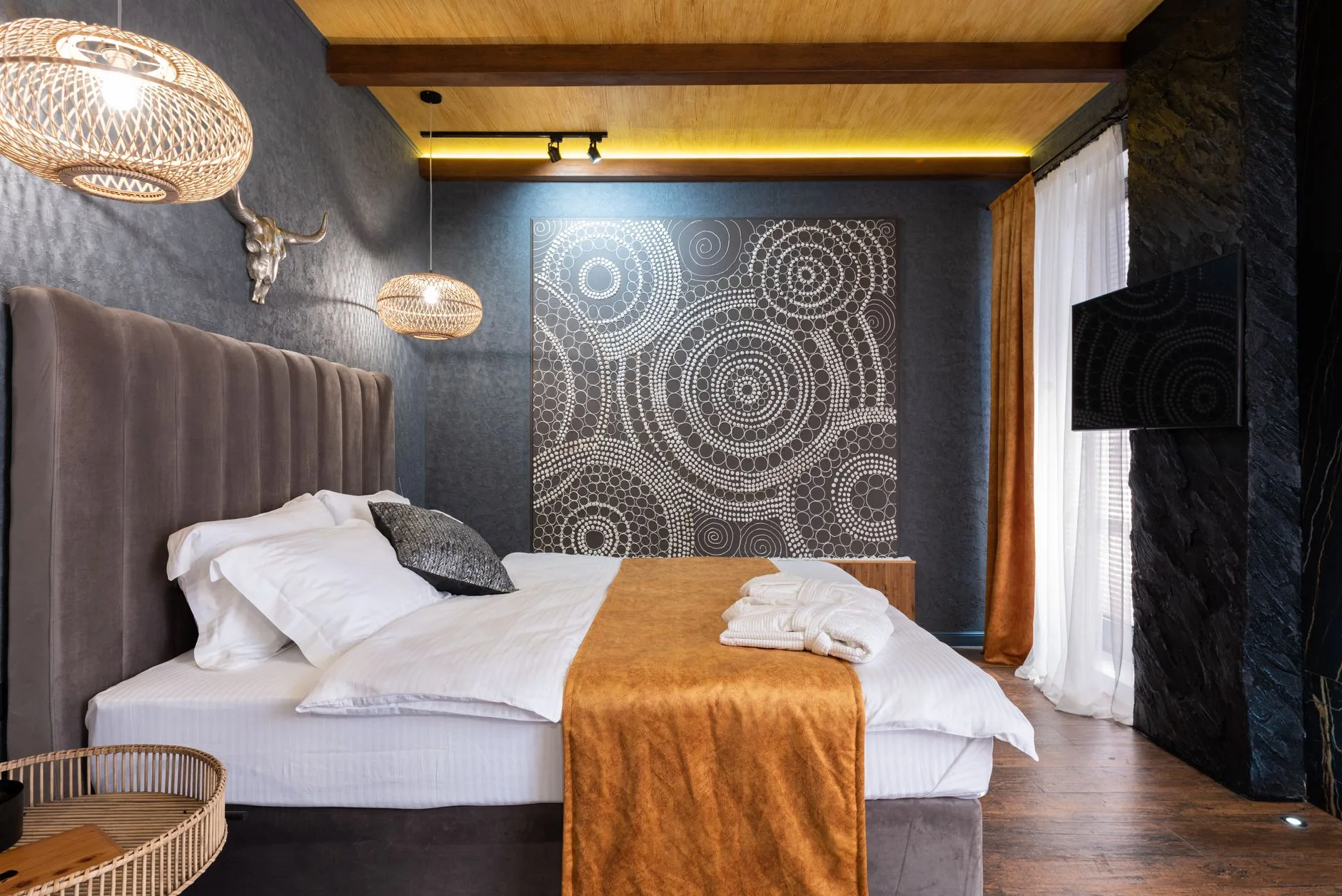
Use one colour direction
Hotel beds tend to use a narrow palette: white with beige, white with grey, white with navy, or white with soft green. Pick one direction and repeat it in the throw, cushions or bedside accessories. Avoid five accent colours fighting each other.
For a cheap hotel-style update, buy two matching pillowcases at £10-£25, a plain throw at £20-£40, and remove the odd cushions. Editing often beats shopping.
Hide the practical bits
Laundry basket, cables, tissue boxes, random chargers and packaging all pull the eye away from the bed. A fabric storage basket costs £12-£35 and can make the room look calmer quickly. Cable clips or a bedside cable organiser cost £5-£15.
This is not about pretending you live in a hotel. It is about giving the bed enough visual space to look finished.
Common Hotel Bed Mistakes to Avoid
The hotel look goes wrong when the bed becomes overfilled, overheated or too precious to use.
Too many cushions
Two sleeping pillows and two display pillows are enough for most beds. Add one small cushion if you like, but stop before bedtime becomes a cushion relocation project. On a double bed, six decorative cushions usually looks like a shop display.
A topper that makes the bed too hot
A topper can improve shape and comfort, but thick memory foam can trap heat. If you sleep warm, look at cotton, wool or breathable microfibre toppers around £45-£150 before buying dense foam. Our Mattress Toppers Explained guide covers when toppers help and when they are just an expensive patch.
Dark sheets that show every crease
Charcoal, navy and forest green bedding can look smart, but dark flat colours often show lint, pet hair and creases. If you want easy hotel style, white or warm white is safer. Add colour with a washable throw instead.
Buying a full bedding set without checking sizes
UK double, king and super king bedding sizes are not interchangeable. Pillowcase style matters too: standard, Oxford and square European cases all sit differently. Before buying, check mattress depth, duvet size and pillow size. A tape measure costs £3-£8 and prevents a surprising amount of faff.
Making it look good but hard to sleep in
A hotel-style bed should take two minutes to reset in the morning. If it needs ten minutes, too many pieces are involved. Keep the routine simple enough that you will actually do it on a Tuesday before the school run or a 9am call.
The best version is not a replica hotel room. It is your own bed, made tighter, cleaner and calmer.
Frequently Asked Questions
What bedding do hotels use to make beds look crisp? Hotels often use white cotton percale or cotton-rich sheets, a fitted protector, a flat sheet, a full duvet and plump pillows. At home, a £20-£45 percale sheet and well-filled duvet cover can get much of the look.
Do I need a flat sheet to make a bed like a hotel? You do not need one, but a flat sheet makes the folded hotel turn-down easier. If you dislike sleeping with a flat sheet, fold the duvet cover itself down by 30-40cm instead.
How many pillows should a hotel-style bed have? Four pillows works well for most double, king and super king beds: two sleeping pillows and two display pillows. Add one small cushion only if the bed still looks calm.
What colour bedding looks most like a hotel? White, warm white, pale grey and oatmeal are the easiest hotel-style colours. They look clean, make the bed feel larger and are easier to layer than strong patterns.
Is a mattress topper needed for a hotel bed? A topper is useful if the mattress feels too firm, uneven or visually flat. Expect to pay about £45-£120 for a decent padded topper, but skip it if your mattress already feels comfortable and supportive.
How do I keep a hotel-style bed practical? Limit the bed to the layers you will reset daily: protector, sheet, duvet, four pillows and one throw. If the routine takes more than two or three minutes, remove something.