You’ve been putting it off for months. Maybe years. The mattress you’re sleeping on has a visible dip in the middle, the springs creak every time you roll over, and you wake up with a sore lower back that takes until lunchtime to shift. But every time you walk into Dreams or browse John Lewis online, you’re hit with 200 options, confusing jargon about “orthopaedic support” and “zoned pocket springs,” and prices ranging from £150 to £3,000. So you close the tab, flip your pillow, and tell yourself you’ll deal with it next month.
I’ve been there. I spent three weekends testing mattresses in showrooms across Berkshire before I finally committed — and I’ve since helped half a dozen friends and family members navigate the same decision. The good news: choosing a mattress isn’t as complicated as the industry wants you to think. You need to understand four things: what type suits your body, what firmness matches your sleeping position, what size fits your room, and how much you should actually spend. That’s it. Everything else is marketing.
This guide walks you through each of those decisions with specific UK product recommendations, real prices, and opinions. No sitting on the fence — I’ll tell you exactly what I’d buy.
Why Your Mattress Matters More Than You Think
The average person spends around 26 years of their life asleep. That’s not a vague stat to scroll past — it means the surface you’re lying on for eight hours a night has a direct, measurable impact on your spine, your joints, your mood, and your energy levels.
A poor sleep setup can wreck your daily routine, and the mattress is the foundation of everything. The Sleep Charity (formerly the Sleep Council) recommends replacing your mattress every seven to eight years. If you can’t remember when you bought yours, it’s time.
Signs your mattress needs replacing:
- Visible sagging or dips — particularly in the centre or where your hips sit
- Waking up stiff or achy — especially in your lower back, neck, or shoulders
- Sleeping better in hotels — a dead giveaway that your bed is the problem
- Creaking springs — the internal structure has degraded
- Allergies worsening at night — older mattresses harbour dust mites and dead skin cells
Don’t just buy a mattress topper and call it sorted. A topper can extend the life of a decent mattress by a year or two, but it can’t fix one that’s structurally gone.
Understanding Mattress Types: What’s Actually Inside
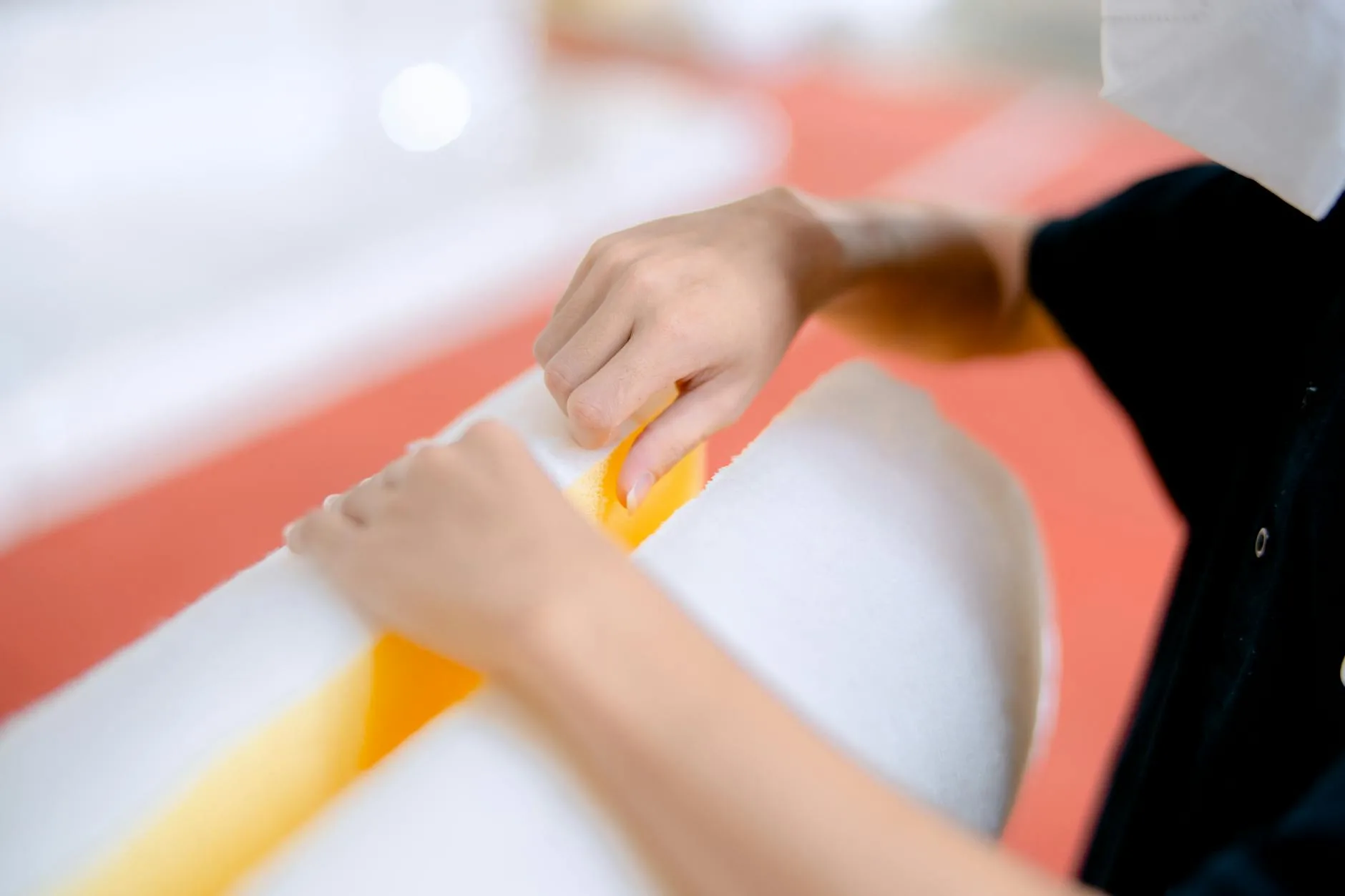
This is where most people get lost, because every brand uses different terminology for what are essentially four categories. I’ve tested all four, and they each suit different people.
Open-coil (Bonnell) springs — the traditional type with interconnected springs. Cheap (£150–£300 for a double from Argos or Amazon UK) but the interconnected design means movement transfers across the bed. If your partner rolls over, you’ll feel it. Fine for a spare room. Not ideal for two people sharing.
Pocket springs — each spring sits in its own fabric pocket, moving independently. This is the sweet spot for most couples. Expect to pay £300–£800 for a decent pocket-sprung double. The spring count matters but not as much as brands claim — anything above 1,000 for a double is solid. John Lewis’s own-brand pocket-sprung range offers excellent value around the £400–£500 mark.
Memory foam — moulds to your body shape using heat-reactive foam. Brilliant for pressure relief and side sleepers. The downside: some people sleep hot on memory foam, and cheaper versions can feel like you’re sinking into quicksand. The Emma Original (about £350–£500 for a double) remains one of the best UK memory foam options I’ve tried. It has decent airflow channels that reduce the “sleeping hot” problem.
Hybrid — combines pocket springs with foam layers on top. This is where the market is heading, and for good reason. You get the support and bounce of springs with the pressure relief of foam. The Simba Hybrid Pro (around £600–£900 for a double) is my top recommendation overall. I’ve slept on one for over a year and the balance between support and comfort is spot-on. It’s not the cheapest, but your back will thank you.
Latex — natural or synthetic rubber foam. Responsive, durable, and naturally hypoallergenic. Less common in the UK and more expensive (£500–£1,200 for a double). Worth considering if you’re eco-conscious or tend to overheat. Dunlopillo is the main UK brand worth looking at, available through John Lewis.
How Firmness Actually Works
Firmness is the single biggest factor most people get wrong. They assume firmer means better for your back — it doesn’t. The right firmness depends almost entirely on how you sleep and how much you weigh.
Mattress firmness in the UK is typically rated on a scale of 1 to 10 (1 being softest, 10 being firmest), though many brands use vague terms like “medium” or “medium-firm” without standardisation. Here’s what actually works:
Side sleepers — you need something softer (around 4–6 on the firmness scale). Your shoulders and hips are the widest points making contact with the mattress, so they need to sink in enough for your spine to stay aligned. Too firm and you’ll wake up with shoulder pain. I learned this the hard way after buying a “firm orthopaedic” mattress that left my shoulder aching for weeks.
Back sleepers — medium to medium-firm (5–7) works best. You need enough support to prevent your lower back from sagging into the mattress, but enough give for natural spinal curvature.
Front sleepers — you need firmer support (6–8) to prevent your hips sinking too far and hyperextending your lower back. That said, sleeping on your front isn’t great for your neck regardless — if you can gradually transition to side sleeping, your body will thank you.
Combination sleepers — if you shift positions throughout the night, aim for medium (5–6). A responsive hybrid like the Simba or the Brook + Wilde Lux (around £500–£750) handles position changes well because the springs respond faster than pure foam.
Body weight matters too. If you’re under 65kg, lean toward the softer end of the recommended range. Over 100kg, go firmer — you’ll compress the materials more, so what feels medium in the showroom may feel soft after a few months.
Getting the Right Size for Your Bedroom
Before you fall in love with a super king in the showroom, measure your bedroom. I’ve seen people order a king-size mattress only to discover they can’t open their wardrobe doors.
For a full breakdown of UK mattress dimensions and room requirements, check our guide to UK mattress sizes. But here’s the quick version:
- Single (90 × 190cm) — children’s rooms and small guest rooms. Allow at least 2.1m × 2.7m floor space
- Double (135 × 190cm) — tight for two adults long-term, but fits most UK bedrooms including Victorian terraced houses
- King (150 × 200cm) — the best option for couples if your room is at least 3.3m × 3.6m. Worth the upgrade from a double
- Super King (180 × 200cm) — luxury if you have the space, needs a room at least 3.6m × 4.2m
My recommendation for couples: go king if your room allows it. The extra 15cm width and 10cm length over a double makes a noticeable difference, especially if one of you moves around at night.
Budget: What Should You Actually Spend?
The mattress industry thrives on making you feel like you need to spend £1,500+ for a decent night’s sleep. You don’t. But you also shouldn’t buy the cheapest option on Amazon and expect it to last.
Here’s a realistic breakdown for a double mattress in the UK:
- Under £200 — emergency or guest room territory. Silentnight and Slumberland offer reasonable open-coil options at this price through Argos. Don’t expect longevity
- £300–£500 — the value sweet spot. This gets you a decent pocket-sprung or memory foam mattress. The Emma Original, Nectar Memory Foam, and John Lewis own-brand pocket springs all sit here
- £500–£900 — mid-range, where the best hybrids live. The Simba Hybrid Pro, Brook + Wilde Lux, and Hypnos Orthos Support all fall in this bracket. This is where I’d put my money
- £900–£1,500 — premium. Brands like Hypnos (the Royal Warrant holder — they make the beds for Buckingham Palace), Vi-Spring, and Harrison Spinks. Beautiful mattresses, but diminishing returns above £1,000 unless you have specific needs
- £1,500+ — bespoke and ultra-premium. Vi-Spring and Savoir make mattresses at this level. Unless you have a specific medical requirement or simply want the best, the practical difference from a £700 mattress is marginal
My view: spend £400–£700 on a double and you’ll get something that lasts 8–10 years and genuinely improves your sleep. The Simba Hybrid Pro at around £650 (frequently discounted to £500 in sales) is the mattress I recommend most often.
Mattress-in-a-Box vs Traditional: Which Route?
The UK mattress market has split into two camps: the boxed mattresses you order online (Emma, Simba, Eve, Nectar) and the traditional showroom brands (Hypnos, Sleepeezee, Vispring).
Both have merits. Here’s the practical difference:
Boxed mattresses (online-only brands)
- Usually cheaper — lower overheads, no showroom costs
- 100–200 night trial periods — test it at home, return if you hate it
- Delivered vacuum-packed in a box, typically within 3–5 days
- Limited ability to test before buying (though Emma and Simba now have showroom partnerships with John Lewis)
- For a deeper comparison of the top three, see our Emma vs Simba vs Eve breakdown
Traditional showroom brands
- Test before you buy — spend 15 minutes lying on it in Dreams, Bensons, or John Lewis
- Often higher quality materials and longer lifespan
- Usually more expensive for comparable comfort
- Delivery can take 2–6 weeks for made-to-order models
- No extended trial period (though John Lewis offers 35 days on selected mattresses)
My preference: I’d always recommend trying the boxed route first if you’re buying a mattress for your main bedroom. The trial periods are generous — Emma gives you 200 nights — and if it doesn’t work, you send it back for free. That said, if you’re spending over £800, go to a showroom. At that price, you want to lie on it before committing.

What to Check in a Showroom (Without Getting Sold To)
If you do visit a showroom, the sales staff will try to upsell you. That’s their job. Here’s how to test a mattress properly in about 10 minutes:
- Lie in your normal sleeping position for at least 5 minutes. Not on your back staring at the ceiling — that’s not how you actually sleep
- Check spinal alignment — ask your partner or the sales assistant to look at your spine from behind. It should be roughly straight, not curved
- Roll over — does the mattress make it easy or do you feel stuck? Memory foam can trap you; springs bounce back faster
- Test edge support — sit on the edge of the mattress. Does it collapse? Poor edge support means you lose usable sleeping surface
- Ignore the pillow they give you — it’s chosen to make the mattress feel better. Bring your own if you can, or at least test with the thinnest one available
Don’t let anyone rush you. You’re about to spend several hundred pounds on something you’ll use every night for nearly a decade. Take your time.
Mattress Care: Making It Last
A good mattress should last 8–10 years with proper care. A neglected one might sag after four. Here are the non-negotiable maintenance steps:
- Use a mattress protector from day one — waterproof ones from John Lewis or Argos cost about £15–£30 and prevent sweat, spills, and dust mites from getting into the foam or springs. This also preserves your warranty
- Rotate it every 3 months — head to foot, not flipped (most modern mattresses are single-sided). Set a reminder on your phone
- Don’t sit on the edge habitually — watching TV from the end of the bed compresses the edge springs faster than anything else
- Let it breathe — pull back the duvet for 20 minutes each morning before making the bed. This lets moisture evaporate
- Vacuum it every couple of months — use the upholstery attachment. Dust mites are invisible but very real, and your sleep environment affects sleep quality more than most people realise
When to Buy: Timing Your Purchase
Mattress prices in the UK fluctuate predictably. If you can wait a few weeks, you’ll save 30–50%:
- January sales — the biggest discounts of the year. Emma, Simba, and Eve all run aggressive January promotions
- Bank holiday weekends — May and August bank holidays consistently bring 25–40% off from most brands
- Black Friday (late November) — Simba typically offers their steepest discounts here. I bought my Hybrid Pro for £499 down from £919
- Mid-week any time — Dreams and Bensons run weekly promotions that change on Thursdays. Check on a Tuesday or Wednesday for the best in-store deals
Avoid buying in September or early October. It’s the quietest period for mattress sales and discounts are rare.
My Top Recommendation
If you’ve read this far and just want someone to tell you what to buy, here it is.
For most people: the Simba Hybrid Pro (double, around £500–£650 on sale). It combines pocket springs with three foam layers, sleeps cooler than pure memory foam, and handles side, back, and combination sleepers well. The 200-night trial means zero risk. I’ve recommended it to four people personally, and none have returned it.
Budget pick: the Emma Original (double, around £350–£450 on sale). Pure foam, excellent pressure relief for side sleepers, and Emma’s customer service is solid if you need to return it. See how it stacks up in our best mattresses roundup for 2026.
Premium pick: the Hypnos Orthos Support (double, around £900–£1,100). If you prefer a traditional pocket-sprung feel and want something made in the UK with natural fillings, Hypnos is the benchmark. Available through John Lewis and independent bed shops. Worth trying in-store before buying.
Common Mistakes to Avoid
After helping several people choose mattresses over the past couple of years, these are the errors I see most often:
- Buying based on brand name alone — Silentnight sells mattresses from £120 to £1,200. The name tells you nothing about the specific model
- Choosing a mattress that’s too firm — especially common among people with back pain who assume firm equals supportive. It doesn’t. You need pressure relief AND support
- Ignoring the trial period — if a brand offers 200 nights, use at least 30 before deciding. Your body takes 2–3 weeks to adjust to a new sleep surface
- Skipping the mattress protector — then spilling coffee on it a month later and voiding the warranty
- Keeping an old mattress too long — the NHS recommends replacing every 7–8 years. If yours is older than your phone contract, it’s overdue
The Bottom Line
Choosing a mattress doesn’t need to be overwhelming. Work through it systematically: decide on your type (hybrid for most people), match firmness to your sleeping position, measure your bedroom, and set a realistic budget of £400–£700 for a double.
The Simba Hybrid Pro remains my go-to recommendation for the UK market — it handles the widest range of body types and sleeping positions, the trial period eliminates risk, and the sale prices bring it into reach for most budgets.
Your mattress is the single piece of furniture you use most. Invest in it properly and you’ll feel the difference every morning.