Creating a tech-free bedroom zone is less about pretending phones do not exist and more about making the bedroom harder to misuse at night. If your charger, laptop, smartwatch, tablet and work messages all live beside the bed, willpower has already lost. The better answer is a room setup that gives every device a place to go before sleep.
In This Article
- Tech Free Bedroom Ideas UK: The Short Answer
- Decide What Tech-Free Means in Your Room
- Build a Charging Zone Outside the Bedroom
- Replace the Jobs Your Phone Currently Does
- Change the Room So It Supports the Rule
- Make It Work for Couples, Kids and Small Rooms
- What to Buy and What Not to Bother With
- Frequently Asked Questions
Tech Free Bedroom Ideas UK: The Short Answer
The most useful tech free bedroom ideas UK homes can use are simple: charge phones outside the room, swap phone alarms for a proper clock, move work laptops out of sight, keep one low-stimulation bedtime activity by the bed, and make the room easier to use without a screen.
The rule I would start with
Start with this: no phone charging within arm’s reach of the bed. Not under the pillow, not on the bedside table, not “just for the alarm”. Once the phone is next to you, the bedroom is not tech-free; it is a waiting room for notifications.
That does not mean the whole house becomes a retreat centre. It means the bedroom stops being the place where you scroll, reply to work messages, check football scores, compare mattresses and accidentally lose 40 minutes to nothing in particular.
What counts as tech
Be practical rather than purist. A sunrise alarm clock is still technology, but it can support sleep if it replaces a phone alarm. A Kindle with Wi-Fi off may be fine for some people. A work laptop on a dressing table is not fine if it keeps pulling your brain back into tomorrow morning.
I would split bedroom tech into three groups:
- Remove: phones, tablets, laptops, games handhelds, work devices and chargers.
- Replace: phone alarm, bedtime podcasts, scrolling, notes app and torch.
- Allow carefully: sunrise alarm, white noise machine, e-reader in airplane mode or medical devices.
That last group matters. The aim is better sleep, not moral victory over appliances.
Why the bedroom zone works
The NHS suggests avoiding phones, tablets and computers for an hour before bed because screen light can make it harder to fall asleep. The annoying bit is that the advice is right. The useful bit is that you do not have to win a nightly debate with yourself if the phone is charging downstairs.
SleepSetupUK already covers red light versus blue light and bedroom lighting for sleep. This guide is the room setup version: where the devices go, what replaces them, and how to make the habit survive a normal UK week.
Decide What Tech-Free Means in Your Room
A tech-free bedroom zone fails when the rule is vague. Decide the boundary before you buy baskets, clocks or cable tidy bits.
Pick a realistic boundary
There are three levels:
- Strict: no personal screens or chargers in the bedroom at all.
- Moderate: phone stays outside, but a sunrise alarm or e-reader is allowed.
- Starter: phone can enter the room, but charges across the room and stays face down after a set time.
Strict is best if you are serious about changing the habit. Moderate is the one most people keep. Starter is better than nothing, but it still leaves you negotiating with the most distracting object in the house.
If you share a bedroom, agree the level together. One person’s “I only check the weather” is another person’s blue-white lighthouse at 11.37pm.
Choose a cut-off time
The rule needs a time. “Less phone in bed” is mush. “Phone charges in the hall by 10pm” is usable.
For most adults, I would start 45-60 minutes before sleep. South Tees Hospitals’ sleep hygiene guidance also points to avoiding screens in the hour before bed and dimming bedroom lights before sleep, which fits the same pattern.
The cut-off is not only about blue light. It is also about content. Messages, news, reels, work apps and shopping tabs keep the brain busy. Even if night mode makes the screen warmer, the thing on the screen can still be irritating enough to keep you awake.
Decide the exceptions
Write the exceptions before you are tired. Good exceptions include:
- On-call work: phone stays in the room on Do Not Disturb with only approved contacts allowed.
- Baby monitor: monitor allowed, phone still charges elsewhere if possible.
- Medical device: anything needed for health stays, obviously.
- Travel: hotel rules can be lighter, but keep the phone away from the pillow.
Bad exceptions include “I might need it”, “I sleep better with YouTube on”, and “I just want to check one thing”. No judgement. That last one is how bedtime disappears.
Build a Charging Zone Outside the Bedroom
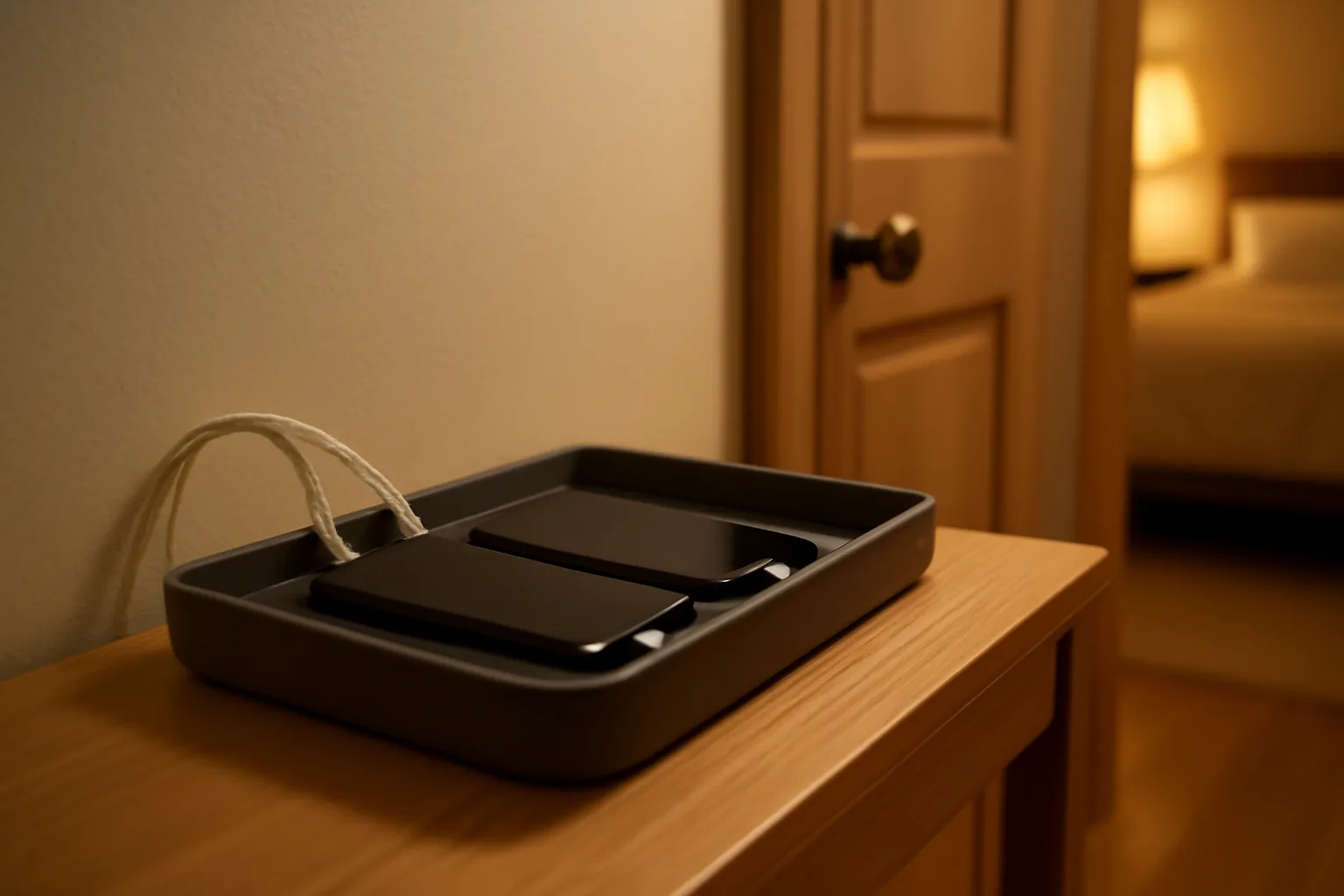
The charging zone is the whole system. If it is awkward, you will bring the phone back to the bedside table within three nights.
Where to put it
Pick a place you pass naturally before bed and in the morning: hallway console, kitchen counter, landing shelf or home-office desk. Avoid anywhere too close to the bedroom door if you know you will retrieve the phone after brushing your teeth.
The setup should include:
- Enough sockets: one plug per device, not a tangled argument every night.
- A tray or basket: £10-£25 from IKEA, Dunelm, John Lewis or Amazon UK.
- Short cables: 0.5m cables reduce mess and make the zone look intentional.
- A label for kids: not pretty, but it stops “where is my charger?” becoming the evening soundtrack.
A £15-£35 multi-device charging station can work well on a kitchen counter. I would avoid cheap no-name multi-chargers that feel hot or flimsy. Use known-brand USB-C plugs from Anker, Belkin, Apple or Samsung, usually around £12-£35 depending on power.
Make it frictionless
Put the charger where the phone will not be forgotten in the morning. If you leave before everyone else, a hallway spot beats the kitchen. If you use Apple Watch, Fitbit or Oura, charge it earlier in the evening rather than using the bedside table as a docking bay.
If you currently use sleep tracking, decide if nightly data is still helping. The SleepSetupUK guide to tracking sleep without a wearable is useful if data helps you, but the best tech-free bedroom zone may be one that gives you less data and better behaviour.
Solve the emergency worry
The common objection is emergencies. Fair. Use Do Not Disturb settings, allow calls from favourites, and keep the phone where you can hear a repeated call from the landing or hall. If that is not possible because of house layout, put it across the room rather than beside the bed.
For parents, a separate baby monitor often works better than using a phone as the main monitor. Basic audio monitors start around £25-£40 at Argos, while video monitors often sit around £60-£150. If a dedicated monitor removes your phone from the bedroom, it may be worth more than another sleep gadget.
Replace the Jobs Your Phone Currently Does
Phones stay in bedrooms because they are useful. Remove the phone without replacing its jobs and the whole plan feels annoying.
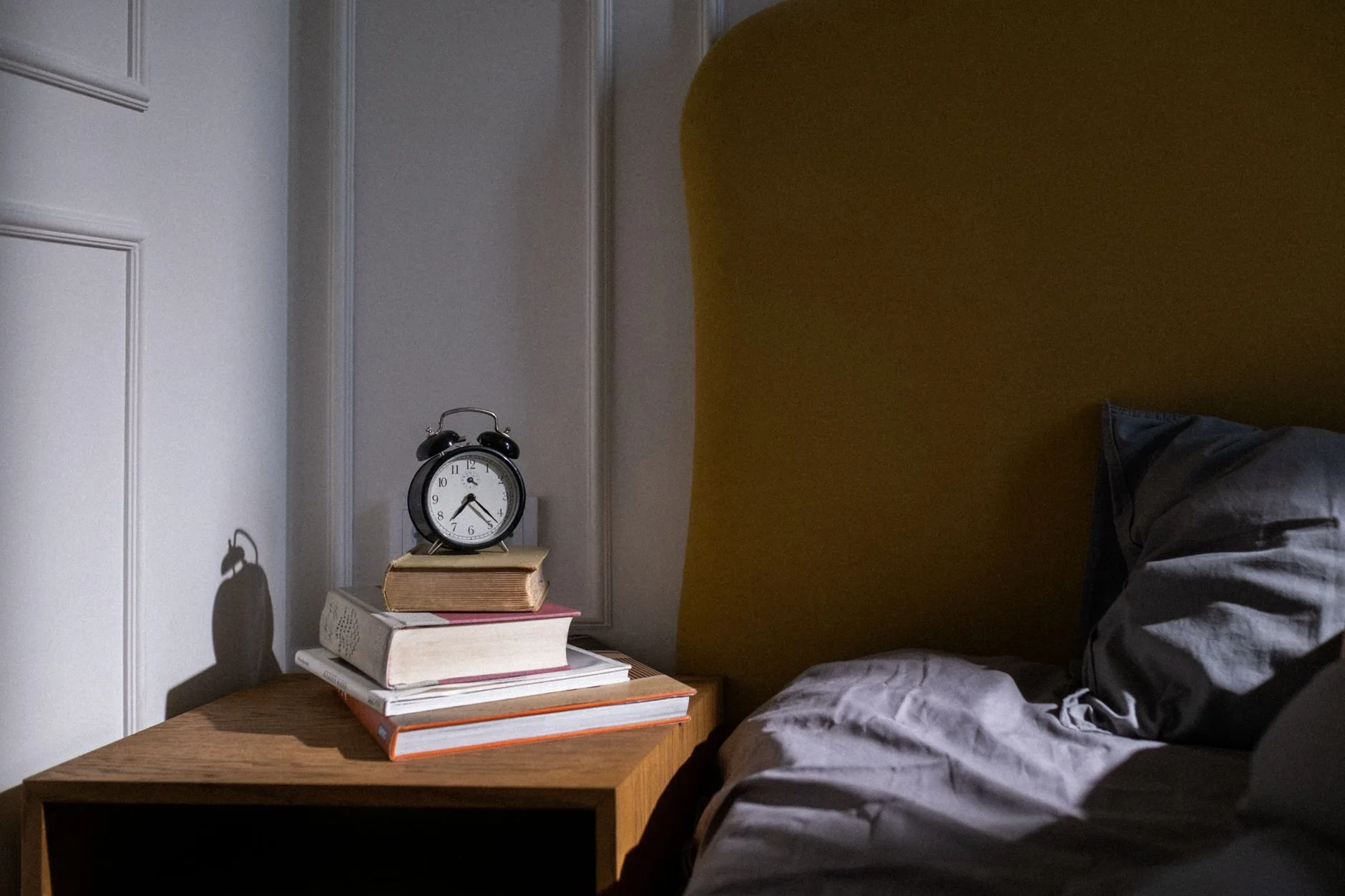
Alarm clock
Buy a real alarm clock. It does not need to be clever. A Jones Bob analogue alarm clock is about £12.50 at John Lewis, a Newgate analogue alarm is around £26.99-£29.99, and a Braun quiet quartz alarm is about £28-£35 depending on the model.
If winter mornings are the problem, a sunrise alarm may be worth it. Lumie models range from about £49.98 for the basic Sunrise Alarm to about £99-£119 for Bodyclock Spark 100 or Glow 150. I would buy the simple Lumie before a complicated app-led light if the goal is less bedroom tech.
There is one caveat: avoid bright digital clocks that glow like a microwave. If you can read the time from across the room at 3am, it may be too bright.
Reading and notes
Put a book, notebook and pen where the phone used to be. Not a pristine notebook that feels too nice to write in; a cheap one you will actually use. A decent A5 notebook is £3-£8 from WHSmith, Ryman or Papier, while a simple clip-on book light is £8-£20 from Amazon UK or Waterstones.
This is where the room starts to feel better rather than just stricter. A bedroom with a book, softer lamp and clear bedside table feels more restful than one with three cables and a phone face-down in shame.
Audio and white noise
If you use podcasts to fall asleep, decide whether they are helping or just delaying sleep. For some people, a speaker outside the bed zone or a timed white noise machine is fine. For others, the podcast queue becomes a second bedtime.
Dedicated white noise machines cost about £20-£80. That might be sensible for a noisy flat or baby room, but do not buy one just because removing your phone leaves a gap. The existing white noise machines guide covers when they help.
Sleep headphones are the awkward middle ground. They can help if a partner snores, but they still make it easy to bring audio stimulation into bed. If you already own a pair, set a timer and keep the source device out of reach. If you are shopping, read the sleep headphones UK guide before spending £80-£250.
Change the Room So It Supports the Rule
The bedroom has to look and function like a place to sleep, not a second office with a duvet.
Clear the bedside table
Remove chargers, spare cables, work notes, tablets, old receipts and anything that makes the bedside table feel like a command centre. Keep only what supports sleep:
- Lamp: warm bulb, ideally dimmable.
- Clock: analogue or very dim digital.
- Book or notebook: one or two, not a guilt pile.
- Water: if you need it, use a stable glass or bottle.
Warm LED bulbs cost about £4-£12 from B&Q, Screwfix, IKEA or John Lewis. Choose around 2700K or warmer for bedside lamps. If you want smart bulbs, keep the control outside the bedroom or use a physical switch; otherwise the smart setup drags the phone back in.
Remove work cues
Laptops are worse than phones in one way: they make the room feel like unfinished work. If you have no separate office, use a closed box, cupboard or fabric basket so the laptop vanishes at night. A lidded storage basket costs about £12-£30 from Dunelm, IKEA or Habitat.
The same applies to work bags. If the first thing you see from bed is tomorrow’s laptop bag, your brain gets the hint. It is not a relaxing hint.
For room layout, borrow the practical parts from the feng shui bedroom layout guide without pretending the plant has mystical powers. Bed view matters. Visual clutter matters. Symmetry helps some rooms feel calmer.
Adjust the light path
A tech-free bedroom zone works better when the route from evening to bed gets dimmer. Bright bathroom lights, landing spotlights and a harsh bedroom ceiling light can undo some of the benefit.
You do not need rewiring. A plug-in motion night light for the hallway is £8-£18. A warm bedside bulb is cheaper. If the bedroom still feels stark, the cosy bedroom budget guide has better first moves than buying more sleep tech.
Make It Work for Couples, Kids and Small Rooms
The rule has to survive real life. Bedrooms are shared, UK homes are often short on sockets, and teenagers are rarely moved by a lovely storage basket.
Couples
Do not make one person police the other. Agree the visible rule: phones charge outside the bedroom by a set time, or both phones go on a dresser across the room. If one person needs an alarm earlier, use a quiet vibration alarm, sunrise clock or analogue clock on their side.
Different sleep schedules need kindness. If one person reads on an e-reader and the other hates the glow, use a paper book or a proper shaded lamp. A £15 book light is cheaper than an argument repeated every night.
Children and teenagers
For younger children, the rule is easier if it applies to adults too. A family charging station on the landing or kitchen counter makes it normal. For teenagers, the best argument is not “screens are bad”; it is “sleep is easier when the phone is not beside your head”.
Cheap wins:
- School-night charging basket: £10-£20 and visible to everyone.
- Old-school alarm clock: £10-£20 from Argos, John Lewis or Amazon UK.
- Bedside book light: £8-£15 for reading without the phone torch.
- Router schedule: free if your broadband app supports it, but do not rely on it as the only boundary.
If a child uses a phone for music, try a small Bluetooth speaker paired before bedtime and keep the phone outside the room. Or go very radical and use a radio. History’s wildest technology.
Small bedrooms and rented rooms
Small UK bedrooms make the “outside the room” rule more useful because there is so little separation between bed and everything else. If you rent, use removable cable clips (£3-£8), a freestanding shelf, over-door hooks and baskets rather than wall-mounted docks.
If the bedroom is also a work corner, create a shutdown ritual: laptop closed, charger unplugged, chair tucked in, notebook closed, lamp changed. It sounds tiny. It works because the room gives your brain fewer open loops.
What to Buy and What Not to Bother With
You can create the zone for under £50 if you already have a lamp. Spend money where it removes a real phone job.
Best-value shopping list
My practical starter kit would be:
- Analogue alarm clock: £12.50-£35 from John Lewis, Argos or Amazon UK.
- Charging tray or basket: £10-£25 from IKEA, Dunelm or John Lewis.
- Short charging cables: £6-£15 each, preferably branded or MFi-certified for iPhone.
- Warm bedside bulb: £4-£12, 2700K or warmer.
- Notebook and pen: £3-£10, because late-night thoughts need somewhere dull to go.
If you have £100-£150, add a Lumie sunrise alarm or better bedside lamp before buying any tracker. For many people, removing the phone beats measuring the sleep damage afterwards.
What I would skip
I would not start with phone lockboxes, premium sleep trackers or app-controlled bedroom systems. A timed phone lockbox costs about £25-£60 and can help if you need a hard barrier, but it is a blunt tool. It also keeps the phone in the room, which misses half the point.
Sleep trackers can be useful, but they can also turn sleep into a performance review. If you already feel twitchy about your score, read the guide on using sleep data without overreacting before adding more numbers.
The test after one week
After seven nights, ask three questions:
- Did the phone stay out of reach? If not, move the charger farther away.
- Did bedtime feel calmer? If not, replace the missing screen habit with reading, stretching or music.
- Did mornings still work? If not, upgrade the alarm before weakening the rule.
That is the whole method. Remove the trigger, replace the useful jobs, and make the bedroom slightly more boring in the best possible way.
Frequently Asked Questions
What is a tech-free bedroom zone? It is a bedroom setup where phones, tablets, laptops and work devices are kept out of reach, usually outside the room, so the bedroom supports sleep rather than scrolling.
Do I need to remove every device from the bedroom? No. Medical devices, baby monitors and simple alarm clocks can stay. The main target is interactive screens and work devices that pull your attention back in.
Where should I charge my phone at night? Charge it in a hallway, kitchen, landing or home-office area you pass in the morning. If it must stay in the bedroom, put it across the room and use Do Not Disturb.
What should I use instead of a phone alarm? A basic analogue alarm clock costs about £12.50-£35 in the UK. If dark winter mornings are difficult, a Lumie sunrise alarm starts around £49.98.
Are e-readers allowed in a tech-free bedroom? They can be, especially with Wi-Fi off and brightness low. If an e-reader leads to browsing, shopping or app notifications, treat it like a tablet and keep it out.
How long before bed should screens stop? Aim for 45-60 minutes before sleep. NHS guidance suggests avoiding phones, tablets and computers for an hour before bed because screen light can make sleep harder.