If you are searching for Anyday affordable mattresses, the practical answer is awkward but useful: the John Lewis ANYDAY mattress filter currently shows as temporarily out of stock, so do not build your whole shortlist around that label alone. Treat ANYDAY as the budget end of the John Lewis own-label world, then compare it against the current John Lewis entry models, IKEA pocket-sprung options and Argos Silentnight deals before you spend £160-£500 on a mattress you may keep for years.
In This Article
- The Short Answer on ANYDAY Mattresses
- Who an Affordable John Lewis Mattress Suits
- Current UK Price Benchmarks to Use
- Comfort, Support and Materials: What to Check
- Size, Base and Delivery Checks Before You Buy
- Better Alternatives if ANYDAY Is Out of Stock
- Buying Mistakes That Cost More Later
- Frequently Asked Questions
The Short Answer on ANYDAY Mattresses
ANYDAY is John Lewis’s value range, but the mattress part of that range is not something I would currently treat as a stable product line. The live John Lewis ANYDAY mattress category says it may be temporarily out of stock, while the main John Lewis mattress range still includes lower-priced own-label and kids’ models.
That changes the buying advice. If a specific ANYDAY mattress is back in stock when you read this, judge it like any other budget mattress: check the spring type, depth, guarantee, delivery, trial policy, firmness and whether it suits your sleeper type. If it is still unavailable, the smarter move is to compare nearby alternatives rather than wait for a label.
The closest current John Lewis price anchors are:
- John Lewis Open Coil Spring Kids’ Mattress, single: about £160.
- John Lewis Pocket Spring Quilted Kids’ Mattress, single: about £199.
- John Lewis Classic Collection 1000 Pocket Spring Mattress, single: about £319.
- John Lewis Classic Collection 1000 Pocket Spring Mattress, double: about £519.
- John Lewis Classic Collection 1200 Pocket Spring Mattress, single: about £419.
For an adult main bed, I would be cautious below about £200 unless the mattress is for a spare room, short-term rental, children’s bed or very light use. A cheap mattress can be fine. A cheap mattress that sags after 18 months is expensive in disguise.
The closest SleepSetupUK comparison is our Best Mattress Under £500 UK 2026 guide, but this page is narrower: it is about the ANYDAY/John Lewis affordable route, not a full market-wide ranking.
Who an Affordable John Lewis Mattress Suits
An affordable John Lewis mattress makes most sense when you want a known UK retailer, clear delivery support and a simple returns process, but you do not want to pay Emma, Simba, Hypnos or TEMPUR money.
Good Fits
- Guest rooms: A £160-£300 mattress can be enough if the bed is used a few nights a month.
- Children and teenagers: A kids’ pocket-sprung single at about £199 is more sensible than overbuying a luxury adult mattress.
- First flats: If the whole bedroom budget is tight, a £300-£500 mattress from a reliable retailer beats an unknown marketplace listing.
- Short-term upgrades: If your current mattress is lumpy and affecting sleep, a modest new mattress can be a useful bridge for three to five years.
- Try-in-store buyers: John Lewis shops make sense if you want to lie on a mattress before buying instead of relying on online reviews.
Poor Fits
Avoid the cheapest end if you are heavy, sleep as a couple every night, have persistent back pain, sleep very hot, or need strong edge support. Those are the situations where cheaper open-coil or thin foam designs tend to show their limits.
The NHS gives general sleep and back-care advice rather than mattress brand recommendations, but its guidance on managing sleep problems is clear that comfort, routine and reducing night-time disruption all matter. A mattress that causes pressure points or partner roll-together is not a bargain just because the receipt looks friendly. You can read the NHS overview of sleep problems here: NHS insomnia guidance.
If you are buying because of pain, use our guide to choosing a mattress for back pain as a second read. The right answer is usually about support, position and body weight, not simply choosing the firmest mattress in the shop.
Current UK Price Benchmarks to Use
Do not judge an affordable mattress in isolation. Put it against live UK alternatives at the same size.
UK mattress price benchmarks
Compare the same size and use-case before treating any budget mattress as a bargain.
| Option | Typical current price | Best use | Main trade-off |
|---|---|---|---|
| John Lewis open-coil kids’ mattress | About £160 single | Children, bunks and occasional rooms | Basic spring feel and limited adult support |
| John Lewis pocket-spring kids’ mattress | About £199 single | Children who need better support than open coil | Single size only and not built as an adult main-bed option |
| IKEA VESTERÖY pocket-sprung mattress | About £199 double, £249 king | Budget adult bed with pocket springs | Simple comfort layers and IKEA sizing checks needed |
| IKEA VALEVÅG pocket-sprung mattress | About £229 double | Step-up budget mattress under £250 | Still entry-level compared with premium hybrids |
| Argos Silentnight Hatfield Memory Foam | From about £315 double | Low-cost memory-foam feel | May sleep warmer than pocket springs |
| John Lewis Classic 1000 pocket spring | About £319 single, £519 double | John Lewis own-label adult mattress | Costs more than IKEA’s budget pocket-sprung options |
Prices move, especially during Bank Holiday, Black Friday and January sales, so use these as decision anchors rather than permanent facts. The useful question is: what does each extra £100 buy?
At roughly £160-£220, you are usually buying basic support, limited comfort layers and a mattress that suits lighter use. At £250-£400, you can expect better pocket-sprung choices and more adult-friendly depth. At £500+, you should demand a clearer reason: stronger edge support, better motion isolation, cooler materials, a better trial, or a design that suits your body and sleep position.
John Lewis’s own mattress buying guide explains the broad choice between open spring, pocket spring and memory foam mattresses, and it is worth reading alongside the live product page if you are unsure which type suits you. Product pages and stock filters move, so use the retailer’s site search before buying rather than relying on an old bookmark.
If you are comparing sizes, open our UK mattress sizes guide before ordering. A cheap mattress in the wrong size is still a wrong mattress.
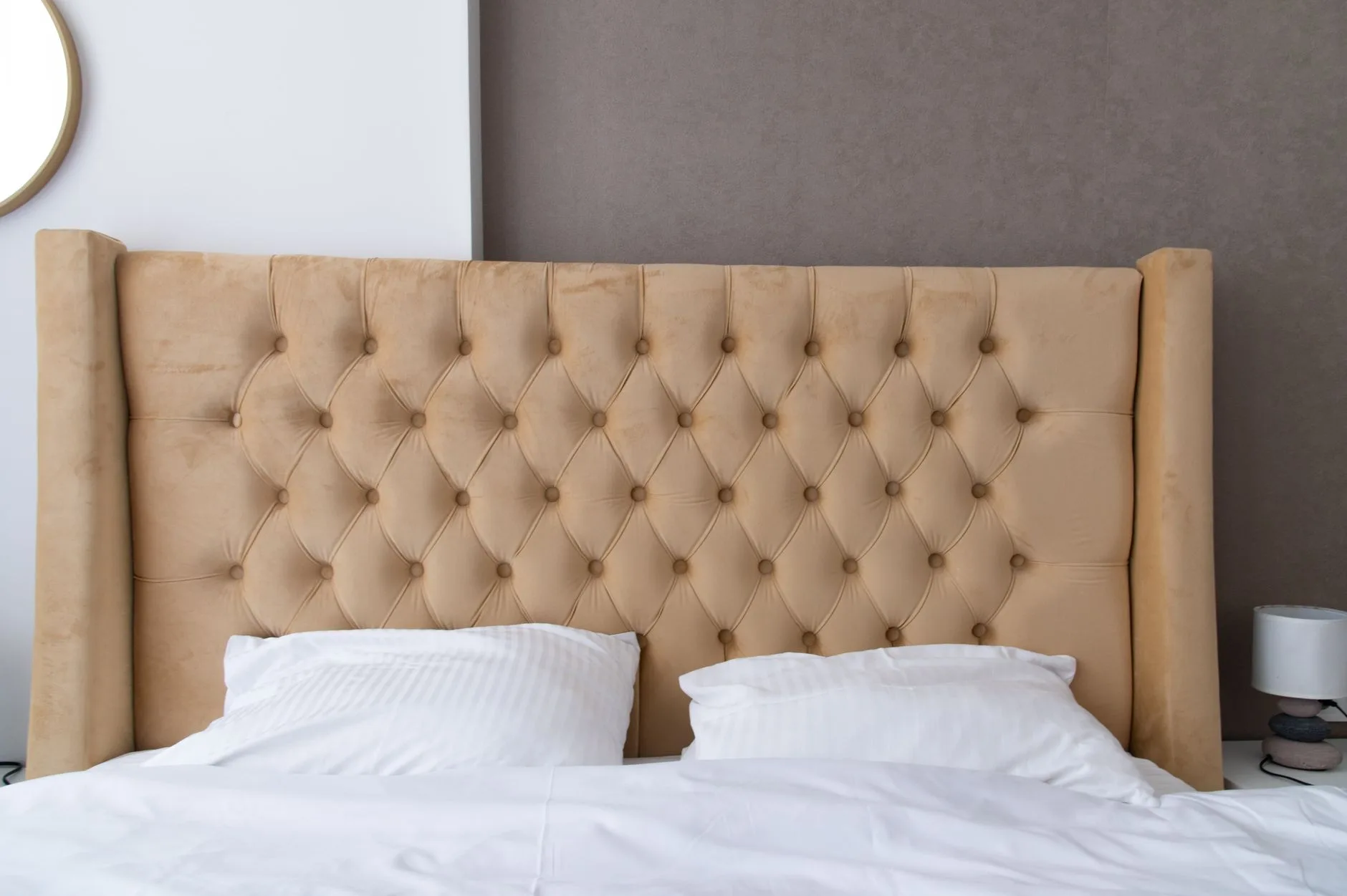
Comfort, Support and Materials: What to Check
Budget mattresses are not all bad. The problem is that the product pages often make them sound more similar than they feel.
Open Coil vs Pocket Spring
Open-coil mattresses use connected springs, so movement can travel across the bed. That is why I would keep them mostly for children, bunk beds and occasional rooms. For adults sharing a bed, pocket springs are usually worth paying extra for because each spring responds more independently.
If the choice is a £160 open-coil single for a child or a £199 pocket-sprung single, I would lean pocket-sprung if the child is older, heavier or likely to use the bed for several years. For a toddler moving from a small bed, the cheaper option may be enough.
Foam and Heat
Cheap memory foam can feel comfortable in a showroom and then too warm at home. That does not mean you should avoid it, but hot sleepers should be careful. Look for:
- A breathable cover: Removable and washable is a bonus, but not always available at this price.
- Moderate depth: Very thin foam mattresses can bottom out on slats.
- Return policy: Foam feel is hard to judge in five minutes.
- Room temperature: A foam mattress in a warm loft bedroom may feel softer and hotter than expected.
For more detail, our memory foam vs pocket sprung vs hybrid guide explains the trade-offs without tying you to one retailer.
Firmness Labels
Firmness is not standardised across the UK mattress market. One brand’s medium-firm can feel like another brand’s firm. If you are in John Lewis, lie on the mattress in your normal sleep position for several minutes. Do not just sit on the edge and bounce like you are testing a trampoline. We have all done it. It tells you almost nothing.
As a rough rule:
- Side sleepers: usually need enough cushioning at shoulder and hip.
- Back sleepers: usually suit medium-firm to firm support.
- Front sleepers: often need a firmer surface to limit hip dip.
- Couples: should check motion transfer and edge support, not just comfort.
The cheaper the mattress, the more I would avoid extremes. Very soft budget mattresses can sag early; very firm cheap mattresses can feel like sleeping on a padded board.
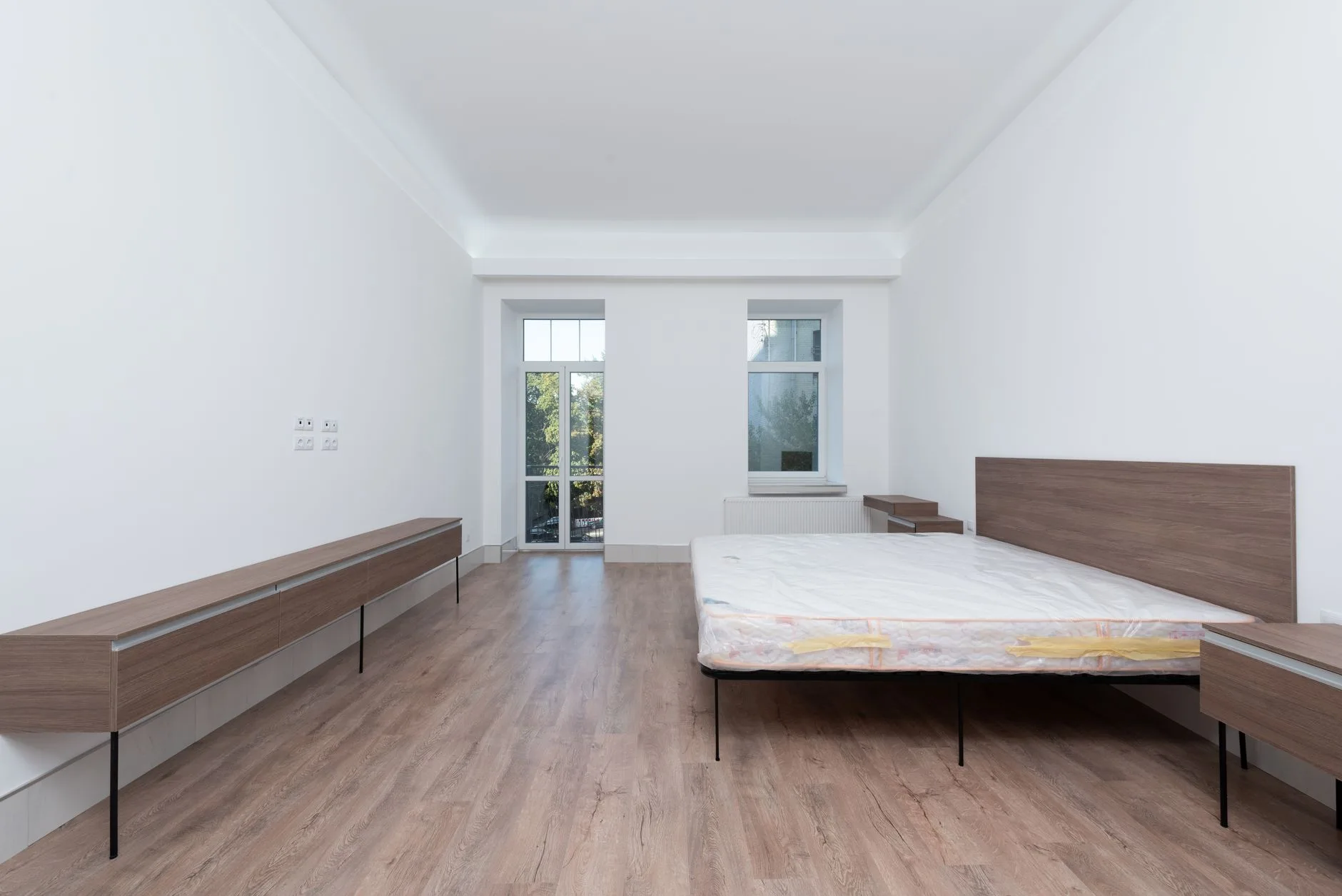
Size, Base and Delivery Checks Before You Buy
The dull checks are the ones that save money. Before buying any affordable mattress, confirm the size, base and delivery details.
Check the Bed Base
A mattress does not work alone. If your bed base is poor, even a decent mattress can feel wrong.
- Wide slat gaps: can make foam or pocket-sprung mattresses dip between slats.
- Old divan bases: can sag in the middle and make the new mattress look faulty.
- Ottoman beds: need the right mattress weight for the lifting mechanism.
- Metal frames: may need a centre support leg for double and king sizes.
Our mattress foundation guide is worth checking before you blame the mattress.
Measure the Route Upstairs
Budget mattresses are not always rolled. A full-size double or king mattress can be a pain through tight Victorian stairs, loft conversions and narrow new-build landings. Rolled IKEA mattresses are easier to move, while traditional John Lewis and Silentnight options may arrive flat depending on the model.
Measure:
- Stair width and turns
- Door frames
- Loft-room angles
- Lift size in flats
- Storage space if the old mattress is not removed same day
If removal is offered, check the price before checkout. Paying £20-£40 for old mattress collection may be worth it if your local council bulky-waste slot is slow or costs nearly as much.
Match the Trial to the Risk
One awkward detail: not every retailer trial treats budget, clearance, kids’ or special-buy mattresses the same way. John Lewis has promoted a 60-night comfort trial on selected mattresses, but selected is the key word. The John Lewis site also notes that some trial terms exclude ANYDAY and Special Buy items in parts of its mattress content, so read the live product page before assuming you can sleep on it for two months and send it back. GOV.UK’s retailer guidance on returns and refunds is useful background, but comfort trials are retailer policies, not a blanket right to use and return any mattress.
If the mattress has no meaningful trial, I would be more conservative:
- Choose pocket springs over open coil for an adult main bed.
- Avoid extreme firmness.
- Avoid unknown marketplace brands with thin warranty wording.
- Do not buy a size you have not measured properly.
Better Alternatives if ANYDAY Is Out of Stock
If the ANYDAY range is unavailable, I would not wait unless you have a specific reason to buy only from John Lewis. The UK budget mattress market has enough credible alternatives.
Best Budget Adult Route
For an adult double under £250, the IKEA VESTERÖY at about £199 double or VALEVÅG at about £229 double are hard to ignore. Both are pocket-sprung and rolled, which makes delivery and flat access easier. The trade-off is that you need to be happy with IKEA’s feel, sizes and return process.
Best John Lewis Route
If you want John Lewis support and are buying for a main adult bed, I would step up to the Classic Collection 1000 pocket spring rather than trying to force a kids’ or open-coil budget mattress into adult use. The single sits around £319 and the double around £519, so it is no longer ultra-budget, but it is a more credible everyday mattress than the cheapest category.
Best Argos/Silentnight Route
If you want delivery convenience and frequent deals, Argos is worth checking. The Silentnight Hatfield Memory Foam double is currently listed from about £315, and Argos often has Silentnight pocket-sprung and memory-foam models in the £300-£500 band. Read the review distribution, not just the star rating. A 4.6 average with thousands of reviews is useful, but check recent complaints about heat, edge support and delivery damage.
Best “Spend a Bit More” Route
If this is your main bed and you can stretch beyond £500, compare the John Lewis Classic range with boxed hybrids from Emma, Simba, OTTY and Nectar during real sales. Our Emma vs Simba vs Eve comparison is the place to go if you are choosing between boxed brands.
The boring recommendation is the right one: for a spare room, spend as little as you can while avoiding obvious junk; for your own nightly bed, buy the cheapest mattress that still matches your body, sleep position and base.
Buying Mistakes That Cost More Later
The danger with affordable mattresses is not buying cheap. It is buying cheap for the wrong job.
Mistake: Buying a Kids’ Mattress for an Adult
A kids’ single mattress around £160-£199 can be good value for the right child. It is not automatically a smart spare-room adult mattress. Adults put more load through the springs and edges, and guests notice a poor mattress even if they politely say they slept fine.
Mistake: Ignoring the Base
If your old mattress dipped because the base was failing, a new budget mattress will probably dip too. Check slats, divan condition and centre support before ordering. A £40-£80 bunkie board or replacement slat set can sometimes rescue the feel of a mattress; other times the base needs replacing.
Mistake: Chasing the Lowest Price Only
A £99-£160 mattress has a place. Student rooms, emergency replacement, child’s bunk, occasional guest bed. For two adults every night, that price band is usually too compromised unless the product is heavily reduced from a stronger original spec.
Mistake: Forgetting Bedding Costs
A mattress purchase often triggers extras:
- Mattress protector: about £15-£45.
- New fitted sheets: about £12-£40 per set, more for deep mattresses.
- Mattress topper: about £45-£130 if the feel is close but not quite right.
- Old mattress collection: often about £20-£40 depending on retailer or council.
If you are using a topper to fix a mattress from day one, pause. Our mattress topper guide explains when that makes sense and when it is just hiding a bad buy.
Mistake: Not Reading the Guarantee Properly
A long guarantee does not mean the mattress will feel good for that long. It usually covers manufacturing faults, not “I chose the wrong firmness” or normal comfort change. For a budget mattress, I care more about the first 30-100 nights than a headline 10-year promise.
My bottom line: if ANYDAY affordable mattresses are back in stock and priced below nearby John Lewis own-label alternatives, they may suit children’s rooms and guest rooms. For an adult main bed, compare them against IKEA VESTERÖY/VALEVÅG and John Lewis Classic pocket-sprung models before buying. The best cheap mattress is not the lowest price. It is the one you do not need to replace next year.
Frequently Asked Questions
Are John Lewis ANYDAY mattresses still available? The John Lewis ANYDAY mattress category currently appears as temporarily out of stock. Check the live John Lewis site before buying, and compare nearby John Lewis own-label, IKEA and Argos alternatives if the range is unavailable.
Are affordable mattresses worth buying? Yes, for children, guest rooms and careful adult use. For a nightly adult main bed, look for pocket springs, suitable firmness, a decent base, clear delivery terms and a realistic trial or returns policy.
How much should I spend on a budget mattress in the UK? For occasional use, £160-£250 can work. For an adult main double, £300-£550 is a more realistic budget if you want better support and durability.
Is an IKEA mattress better value than a cheap John Lewis mattress? Sometimes. IKEA’s VESTERÖY and VALEVÅG pocket-sprung mattresses are strong value around £199-£229 for a double, but John Lewis may suit you better if you want store advice and own-label support.
Should I buy a cheap memory foam mattress? Only if you know you like foam and do not sleep too hot. Cheap memory foam can feel cosy at first but may retain heat and lack edge support.
Can a mattress topper fix a cheap mattress? A topper can add cushioning, but it cannot fix a sagging core, weak springs or the wrong support level. If the mattress feels wrong from the start, a topper may just delay replacing it.