The soundcore Sleep A30 is the best sleep headphone for most UK buyers who want the strongest combination of low-profile comfort, wireless audio and noise management. The Sleep A20 is the better-value earbud, while SleepPhones Wireless v8 suits people who cannot tolerate anything inside the ear.
Comfort depends on more than a product being labelled for sleep. Your sleep position, pillow firmness, ear shape, head size, room temperature and preferred audio all matter. The six options below cover purpose-built earbuds, wireless and corded headbands, and a blackout mask rather than repeating the same design.
In This Article
- Quick verdict
- Sleep headphones compared
- Six sleep headphones reviewed
- Choose the right format
- Comfort, battery and controls
- Volume, noise and sleep routine
- The Bottom Line
- Frequently Asked Questions
Best Sleep Headphones UK: Quick Verdict
Choose the Sleep A30 if you want the most complete purpose-built earbud and are willing to pay for active noise cancellation and adaptive masking. Choose the A20 when low-profile fit and Bluetooth streaming matter more than ANC. Both sit inside the ear, so neither is automatically comfortable for every side sleeper.
If in-ear pressure is the problem, SleepPhones Wireless v8 is the premium headband choice. The corded Classic removes battery anxiety, while MUSICOZY is the inexpensive way to test whether flat speakers in fabric suit you. The LC-dolida mask is the most logical choice for shift workers, travel or bedrooms with intrusive light.
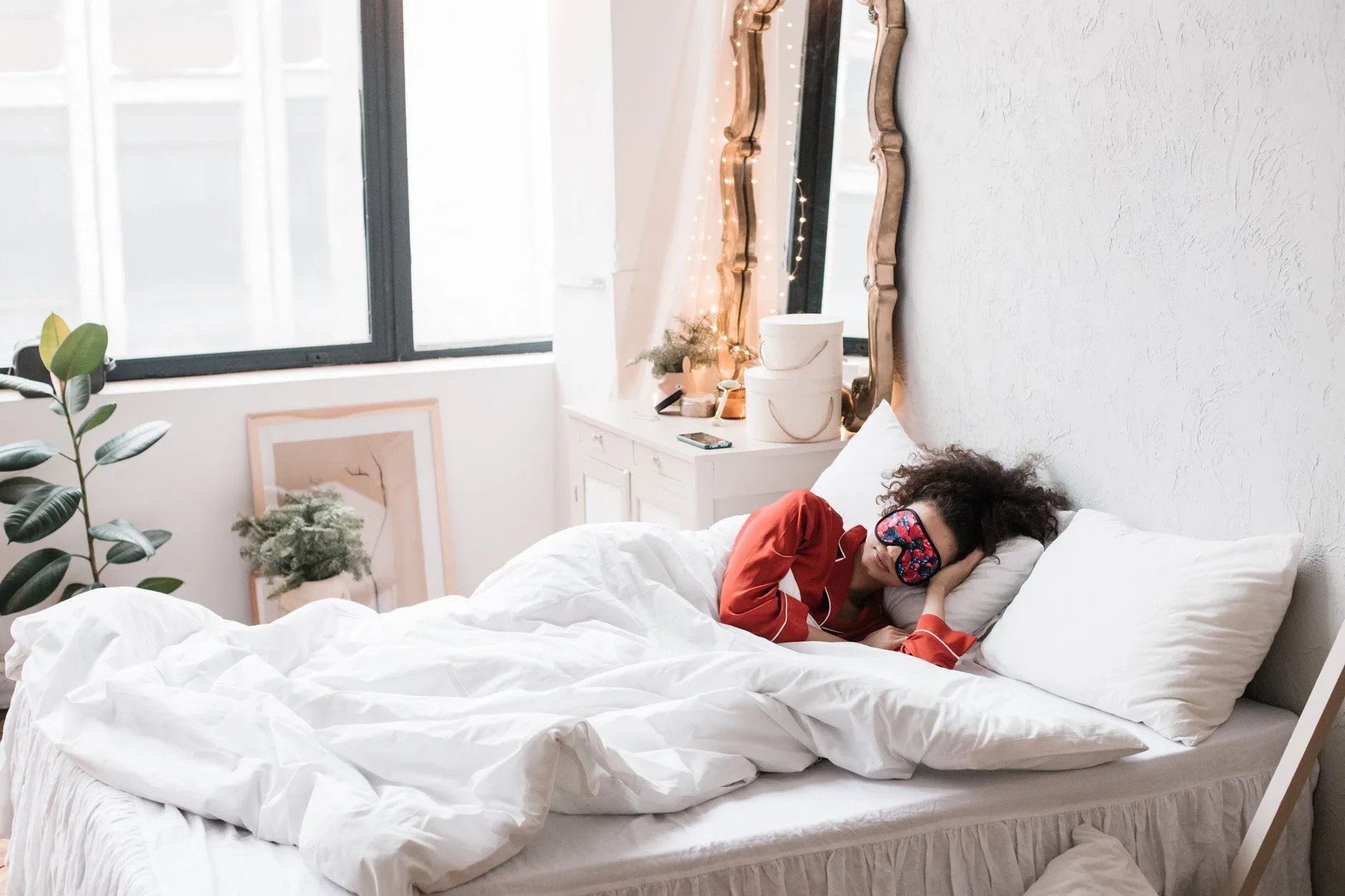
Sleep Headphones Compared
The comparison is CTA-free so you can choose by format first. Availability and colours change, so confirm the exact size, fabric, accessories and connection type shown on the retailer page.
| Headphones | Best for | Format | Key feature |
|---|---|---|---|
| soundcore Sleep A30 | Best overall | Low-profile wireless earbuds | Adaptive snore masking and ANC |
| soundcore Sleep A20 | Best value sleep earbuds | Low-profile wireless earbuds | Noise blocking, app sounds and Bluetooth streaming |
| SleepPhones Wireless v8 Breeze | Best premium headband | Wireless fabric headband | Removable flat speakers; medium size |
| SleepPhones Classic Corded | Best corded option | Wired fabric headband | No battery; Breeze fabric; medium size |
| LC-dolida 3D Sleep Mask Headphones | Best sleep mask | Wireless blackout eye mask | Recessed eye cups and movable speakers |
| MUSICOZY Bamboo Cotton Headband | Best budget headband | Wireless fabric headband | Bamboo-cotton cover and flat speakers |
The Six Best Sleep Headphones Reviewed
1. soundcore Sleep A30 — Best Overall

The Sleep A30 is the strongest all-round choice for people who want purpose-built earbuds rather than speakers sewn into a band. The shells are shaped to sit more flush than ordinary true-wireless buds, which matters when your ear presses into a pillow. The selected model combines active noise cancellation with adaptive snore masking and app-based sleep sounds.
Its advantage is control: you can use streamed audio, built-in sounds and noise management without a bulky headband across your forehead. The compromise is equally clear. Anything placed inside the ear can create pressure for some side sleepers, and the premium price only makes sense if you will use the sleep-specific features. Fit, pillow firmness and ear shape still decide comfort.
- Buy it if: you want the most capable purpose-built wireless option.
- Skip it if: in-ear products become sore during the night.
- Main compromise: advanced noise features at a premium price.
2. soundcore Sleep A20 — Best Value Sleep Earbuds

The Sleep A20 gives up the A30’s active noise cancellation but retains the format that matters most: small earpieces designed for sleeping, passive noise blocking, app sounds, Bluetooth streaming and a personal alarm. The published battery figure is expressed across the earbuds and charging case, so judge overnight suitability by the single-charge mode you plan to use rather than the biggest headline number.
This is the sensible buy when ordinary earbuds protrude too far but you do not need the newest noise-processing features. Passive isolation relies heavily on tip and wing fit. A tighter seal can reduce outside noise, but it may also feel more intrusive. Try the supplied sizes before assuming the largest gives the best result.
- Buy it if: you want genuine sleep earbuds without A30 pricing.
- Skip it if: you require active noise cancellation.
- Main compromise: excellent form factor, simpler noise control.
3. SleepPhones Wireless v8 Breeze — Best Premium Headband

SleepPhones uses thin removable speakers inside a fabric band rather than placing anything in the ear canal. The selected Wireless v8 Breeze is the medium-size, lighter-fabric version. That can be more forgiving for back sleepers and anyone who dislikes ear tips, while Bluetooth avoids a cable crossing the bed.
Headband fit is crucial. Too loose and the speakers drift away from your ears; too tight and the band becomes distracting. Side sleepers may still feel the speaker disc if it moves between ear and pillow. The removable electronics make washing practical, but only after you follow the disassembly instructions and remove every electronic component.
- Buy it if: you dislike in-ear pressure and want a known specialist design.
- Skip it if: a band around your head feels hot or restrictive.
- Main compromise: soft construction, but fit varies by head size and sleep position.
4. SleepPhones Classic Corded — Best Corded Option

The Classic uses the same basic fabric-headband idea without relying on an overnight battery. The selected version is medium and uses the lighter Breeze fabric. It suits a bedside radio, tablet or phone with a suitable audio connection, and it removes charging from the bedtime routine.
A cable is the trade-off. Route it away from the neck and make sure it cannot become caught in bedding. Many current phones also need a USB-C or Lightning audio adaptor. The Classic is therefore best for a stable bedside setup, not for someone who turns constantly or wants to leave the phone across the room.
- Buy it if: you prefer no battery and have a suitable audio socket or adaptor.
- Skip it if: cables in bed feel awkward or your device has no convenient connection.
- Main compromise: simple and dependable, with cable management required.
5. LC-dolida 3D Sleep Mask Headphones — Best Sleep Mask

The LC-dolida combines a blackout-style mask with Bluetooth speakers. Its recessed eye cups avoid pressing flat fabric directly onto the eyelids, while the speakers can be repositioned inside the band. This makes it especially useful for travel, daytime sleep and bedrooms where controlling light matters as much as playing audio.
A mask adds more heat and facial contact than a plain headband. The strap, nose area and eye-cup depth must all work for your face, and the speakers need aligning with your ears. It is not hearing protection and does not physically block sound like ear defenders; audio mainly masks or distracts from intermittent noise.
- Buy it if: light and sound both interrupt sleep.
- Skip it if: masks feel hot or you need to see immediately on waking.
- Main compromise: two functions in one, with more fit points to adjust.
6. MUSICOZY Bamboo Cotton Headband — Best Budget Headband

The MUSICOZY bamboo-cotton headband is the low-cost route into flat-speaker sleep audio. It can also work for relaxation, travel or gentle exercise, so it is easier to justify if you are unsure whether a headband suits you. The soft cover is a better bedtime proposition than wearing ordinary on-ear headphones against a pillow.
At this price, expect simpler speakers, controls and construction than SleepPhones. Check the exact care instructions before washing, remove the module and speakers where directed, and reposition the drivers after every wash. The band may loosen over time, which affects both audio balance and whether the speakers stay over your ears.
- Buy it if: you want to test the headband format cheaply.
- Skip it if: you expect premium sound or long-term support.
- Main compromise: low entry price with more basic hardware.
Choose the Right Sleep-Headphone Format
Low-profile earbuds
Purpose-built sleep earbuds sit closer to the ear than ordinary true-wireless models. They provide the clearest left-right audio and can use passive seals or electronic processing to manage noise. The downside is contact inside the ear canal and pressure where the outer ear meets the pillow. A softer or contoured pillow may help, but no earbud is universally pressure-free.
Fabric headbands
Headbands place flat speakers over the ears and avoid an in-ear seal. They are often comfortable for back sleepers and listeners who want quiet spoken audio rather than strong bass. Speaker position can drift, and warm sleepers may dislike the extra layer around the forehead. Size choice matters more than marketing descriptions such as “universal fit”.
Audio sleep masks
A combined mask makes sense when light is part of the problem. Look for recessed eye cups, an adjustable nose area and speakers that can move independently. If you only need audio, the extra bulk is unnecessary. Our guide to bedroom lighting and sleep explains why reducing unwanted light at source can be more comfortable than wearing a mask every night.
Comfort, Battery and Controls
Test pressure before sound quality
Lie in your normal position for at least 20 minutes before deciding the fit works. A product that feels fine while sitting can press painfully once your head settles into a pillow. Check both ears because many people sleep predominantly on one side. Do not keep tightening a band or using larger ear tips simply to increase bass.
Battery claims need context
Separate single-charge playback from the total including a charging case. App-based sleep sounds may run for a different time than Bluetooth streaming or noise cancellation. Leave a margin above your normal sleep duration and enable a sleep timer where available. A personal alarm is useful only after you have tested its charge, volume and fit on an ordinary morning.
Controls should disappear at bedtime
Large modules, bright LEDs and sensitive touch controls become irritating in a dark room. Set volume and playback before lying down. If you use a phone, combine the headphones with a simple routine rather than scrolling in bed; see our guide to resetting a sleep schedule and the explanation of light colour and sleep.
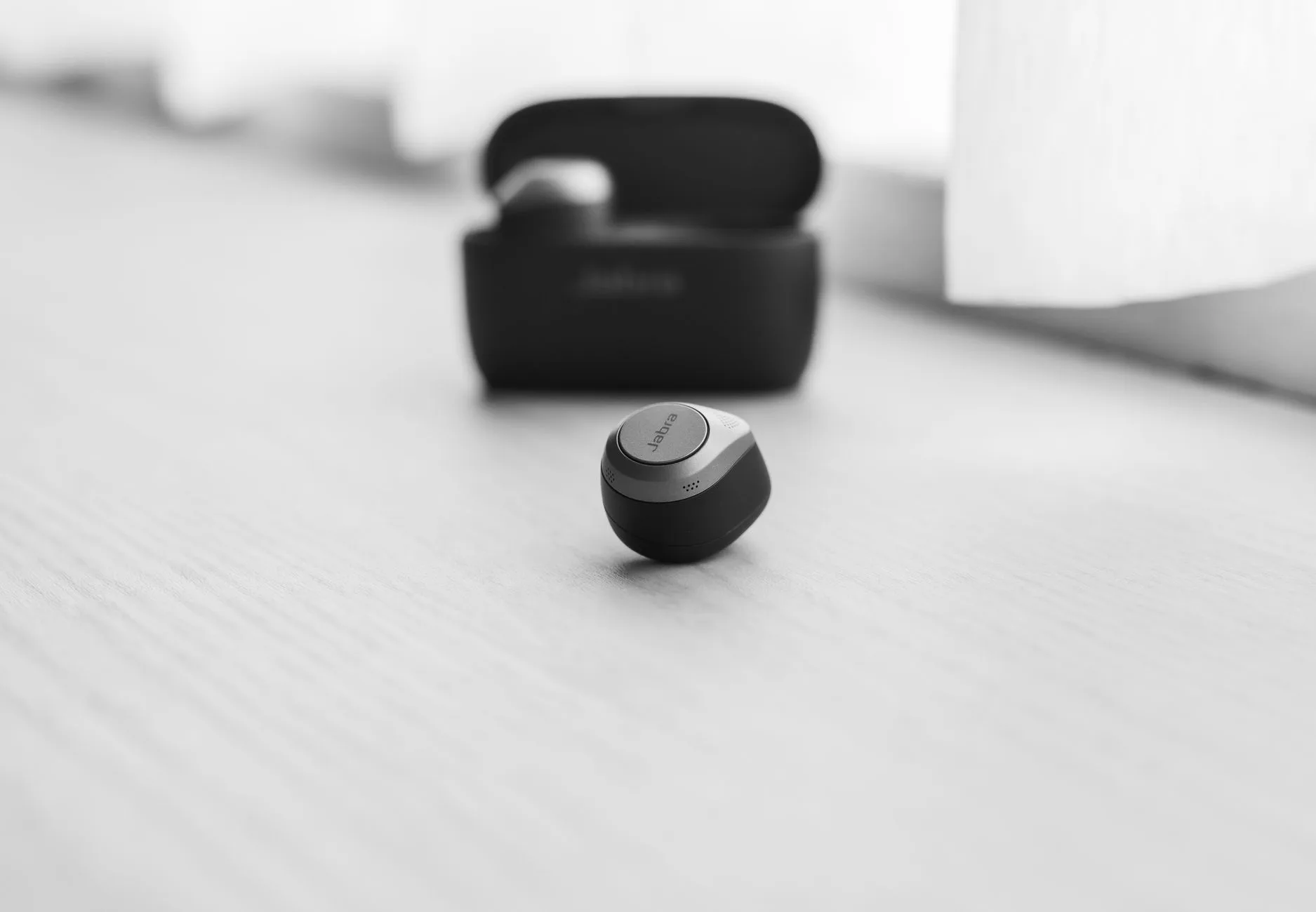
Volume, Noise and Sleep Routine
Use the lowest volume that keeps the content intelligible. Sleep headphones are not hearing protection, and louder playback is a poor solution for persistent environmental noise. RNID’s hearing-protection guidance explains the relationship between sound level and exposure time.
Masking works best with steady, unobtrusive audio such as rain, fan noise or neutral soundscapes. Spoken podcasts can keep some listeners engaged, while music with large volume changes may cause awakenings. A white-noise machine is worth considering if you dislike wearing anything in bed or want sound shared across the room.
Headphones should support a routine, not replace one. The NHS sleep guidance recommends regular sleep times and a wind-down routine. If persistent sleeplessness, tinnitus, ear pain or hearing changes are affecting daily life, get appropriate professional advice rather than increasing playback time or volume.
Keep contact surfaces clean and dry. Remove electronic modules before washing a headband, wipe ear tips according to the maker’s instructions and allow everything to dry fully before reassembly. If you monitor sleep with a wearable, compare what it actually measures in our sleep-tracker comparison rather than treating an app score as a diagnosis.
The Bottom Line
The soundcore Sleep A30 is the best overall choice for buyers who want low-profile wireless earbuds with the broadest noise-management features. The Sleep A20 is the better-value alternative. If in-ear comfort is the sticking point, buy by headband fit instead: SleepPhones Wireless v8 is the premium choice and MUSICOZY the budget experiment.
Choose the format before the feature list. A comfortable headband with modest sound is more useful overnight than sophisticated earbuds that hurt against your pillow. Keep volume restrained, check cleaning instructions and test alarms before depending on them. If the first fit causes pressure or irritation, change the supplied size or stop using it rather than trying to tolerate it overnight.
Frequently Asked Questions
Are sleep headphones safe to wear all night? They can be used overnight at a low, comfortable volume, but fit and listening level matter. Stop if you develop pain, irritation or reduced hearing, and seek professional advice for persistent symptoms.
Are earbuds or a headband better for side sleepers? Low-profile earbuds can give clearer sound and isolation, while a fabric headband avoids pressure inside the ear canal. Pillow firmness, ear shape and how much you move determine which feels better.
Do sleep headphones block snoring? Some earbuds use passive isolation, active noise cancellation or masking sounds, but none guarantees complete removal of snoring. Fit, snoring volume and frequency all affect the result.
Can I play podcasts through sleep headphones? Bluetooth models can usually stream podcasts and audiobooks from a phone. Check whether sleep mode supports streaming, local sounds or both, and use a sleep timer to avoid unnecessary playback.
How do I wash a sleep-headphone headband? Remove every speaker, cable, control and battery component exactly as the manufacturer instructs, then follow the fabric care label. Never wash electronics inside the band.
Will a personal alarm wake my partner? An in-ear alarm may be less noticeable to a partner than a bedside alarm, but sound can still leak and reliability depends on fit, charge and settings. Test it before relying on it for an important morning.