The Vida Designs Riano 1 Door is the best wardrobe for most very small bedrooms. Its 40cm width uses far less wall space than a conventional double wardrobe while retaining a hanging rail and upper shelf. Choose the Panana mirrored model when you can spare 72cm, or the URBNLIVING sliding wardrobe when door clearance—not wall width—is the main problem.
A small-bedroom wardrobe should solve the room’s actual constraint. Measure wall width, cabinet depth, door swing, skirting boards and the route from the front door before comparing finishes. The shortlist below covers six distinct layouts rather than six near-identical cupboards.
In This Article
- Quick verdict
- Wardrobes compared
- Six wardrobes reviewed
- How to choose
- Measure before ordering
- Make storage work harder
- The Bottom Line
- Frequently Asked Questions
Best Wardrobes for Small Bedrooms: Quick Verdict
Buy the narrowest rigid wardrobe that holds the clothes you actually hang. The 40cm-wide Riano is the best overall space saver; the 72cm Panana adds a mirror and useful capacity without reaching full-size wardrobe proportions. Sliding doors are valuable only when there is adequate wall width and the bed prevents hinged doors opening.
Corner and open wardrobes solve different problems. A corner unit can deliver the most storage but needs a surprisingly large diagonal footprint. An open rail is visually lighter and easier to access, although it exposes clothes and clutter. A canvas wardrobe is a temporary budget answer, not a direct substitute for rigid furniture.
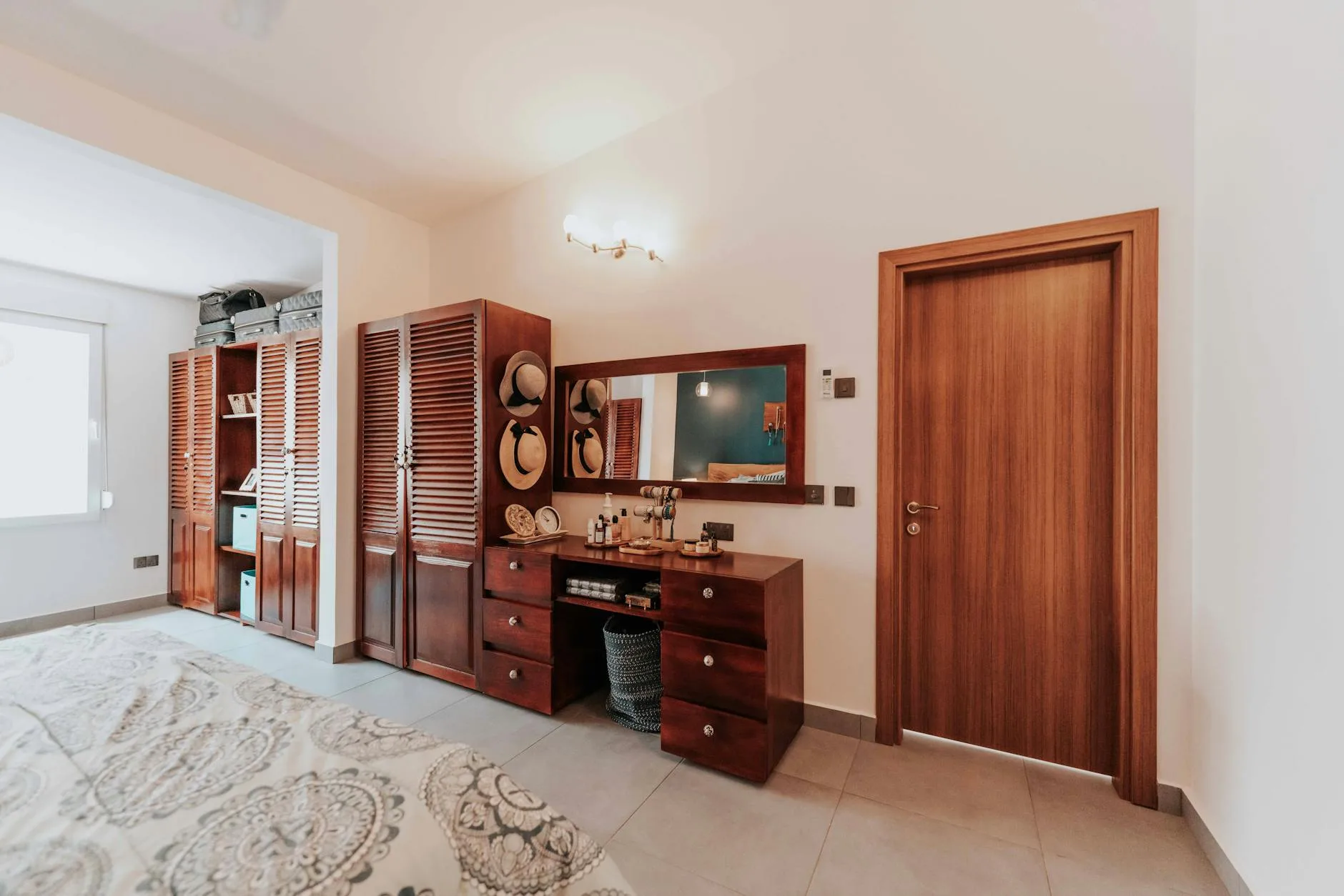
Small-Bedroom Wardrobes Compared
This table is deliberately CTA-free. Compare the footprint and access method first, then check the live product page for the selected finish, exact package dimensions and assembly instructions.
| Wardrobe | Best for | Stated size | Storage |
|---|---|---|---|
| Vida Designs Riano 1 Door Wardrobe | Best overall for the smallest footprint | 40 × 53 × 170cm | Single door; shelf and hanging rail |
| Panana 2 Door Mirrored Wardrobe | Best mirrored wardrobe | 72 × 47 × 170cm | Two doors; mirror and hanging rail |
| URBNLIVING 120cm Sliding Wardrobe | Best sliding-door option | 120cm wide | Two sliding doors and hanging rail |
| Reflect 2 Door Corner Wardrobe | Best for an unused corner | 103 × 103 × 180cm | Two rails and eight shelves |
| HOMCOM Open Wardrobe on Wheels | Best open wardrobe | Compact mobile format | Rail and two storage shelves |
| OPPAIYA Canvas Wardrobe | Best temporary budget choice | 59 × 45 × 160cm | Rail, two shelves, two drawers and side pockets |
The Six Best Wardrobes for Small Bedrooms Reviewed
1. Vida Designs Riano 1 Door Wardrobe — Best Overall

The Riano is the clearest answer when floor space is the hard limit. At a stated 40cm wide, 53cm deep and 170cm high, it occupies much less wall width than a standard double wardrobe while still giving you a full-height hanging section and an upper shelf. That makes it a convincing choice for a box room, narrow guest room or the gap beside a chimney breast.
Forty centimetres is genuinely narrow, so capacity is the compromise. It works best for one person’s frequently worn clothes, not as the only wardrobe for a couple. The hinged door also needs clear swing space in front. Measure the skirting-board offset and door arc, then secure the unit to a suitable wall using the correct fixings for that wall type.
- Buy it if: you need a proper enclosed wardrobe in the least possible wall width.
- Skip it if: you need drawers or broad hanging capacity for two people.
- Main compromise: excellent footprint, limited internal width.
2. Panana 2 Door Mirrored Wardrobe — Best Mirrored Choice

The Panana balances useful capacity with a relatively compact 72 × 47cm footprint. Its mirrored front removes the need to find a separate wall or floor position for a dressing mirror, and the 47cm depth is easier to accommodate than many wardrobes measuring around 55–60cm deep.
The mirror makes the room feel brighter, but it also adds weight and needs careful assembly. At 72cm wide this is still a small double wardrobe rather than an ultra-slim model. Check that the packaged panels will turn through the staircase and doorway, and allow enough clearance for both hinged doors to open fully.
- Buy it if: you want enclosed hanging space and a full-length mirror in one footprint.
- Skip it if: the bed sits close enough to obstruct hinged doors.
- Main compromise: more useful capacity than the Riano, but nearly twice the width.
3. URBNLIVING 120cm Sliding Wardrobe — Best Sliding-Door Option
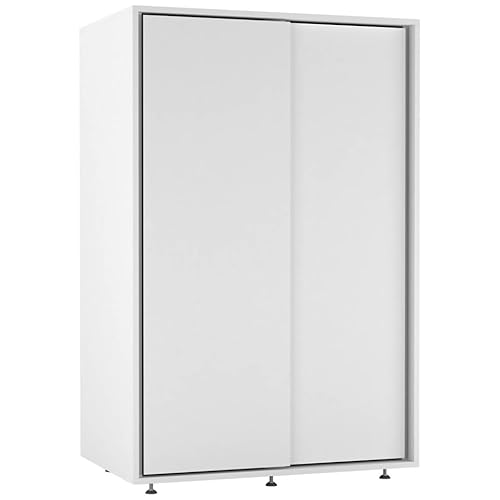
This URBNLIVING model is the best fit where there is usable wall width but very little clearance between wardrobe and bed. Its two doors slide across the front rather than opening into the room. That does not make the cabinet tiny—it is 120cm wide—but it avoids the awkward door arc that can make a conventional wardrobe unusable in a tight layout.
Sliding doors expose only part of the interior at a time, and the tracks need to be assembled square and kept clear. The listing describes a hanging rail, so do not assume it includes the shelf-and-drawer layout shown on visually similar variants. This is the choice for a long, shallow circulation route, not automatically the smallest room overall.
- Buy it if: the bed leaves no sensible hinged-door clearance.
- Skip it if: you have less than 120cm of uninterrupted wall.
- Main compromise: no door swing, but a much wider cabinet.
4. Reflect 2 Door Corner Wardrobe — Best for an Unused Corner

The Reflect corner wardrobe converts two short wall runs into one substantial storage zone. Its stated 103 × 103cm corner footprint and 180cm height contain two hanging rails and eight shelves, making it the most flexible internal layout in this shortlist. It can work particularly well where a conventional wardrobe would block a radiator, window or bedroom door.
A corner unit is not a magic space saver. It projects diagonally into the room and costs considerably more than a slim single wardrobe. Mark the full footprint on the floor with masking tape, including the front edge, before ordering. Also check ceiling height and assembly access; large panels can be difficult to rotate once the carcase is upright.
- Buy it if: two adjoining walls are available and you need both hanging and folded storage.
- Skip it if: the corner contains sockets, a radiator or a tight route around the bed.
- Main compromise: high capacity from dead space, but a large diagonal projection.
5. HOMCOM Open Wardrobe on Wheels — Best Open Wardrobe

The HOMCOM mobile rail is a good answer for a rented room or a layout that changes regularly. It combines hanging space with two lower shelves and can be moved for cleaning or rearranging. With no doors, every centimetre of its width is accessible even when the bed is close.
Open storage demands more discipline. Clothes remain visible, collect dust more readily and can make a small bedroom feel busy. Wheels also need a level floor and should be locked or stabilised where provided. Use matching hangers and a small number of baskets rather than packing every shelf to the edge.
- Buy it if: flexibility and easy access matter more than concealing clothes.
- Skip it if: visual calm and dust protection are priorities.
- Main compromise: adaptable and inexpensive, but always on display.
6. OPPAIYA Canvas Wardrobe — Best Temporary Budget Choice

The OPPAIYA fabric wardrobe is the low-cost stopgap. Its stated 59 × 45 × 160cm dimensions combine a hanging rail, two shelves, two drawers and side pockets within a narrow footprint. It suits temporary accommodation, a student room or a spare room where buying and assembling a heavy cabinet would be disproportionate.
Treat it as temporary furniture. Fabric covers can sag, lightweight connectors dislike repeated moving and the rail capacity will not match a rigid timber cabinet. Distribute weight evenly, keep the cover ventilated and do not overload the rail with dense coats. The drawers are fabric storage bins rather than solid furniture drawers.
- Buy it if: you need inexpensive covered storage for a limited period.
- Skip it if: you want long-term furniture or need to hang heavy garments.
- Main compromise: lots of functions for little money, with much lower rigidity.
How to Choose a Wardrobe for a Small Bedroom
Choose by the room’s constraint
Width is only one constraint. A narrow hinged wardrobe can still fail if the bed blocks its door. A wide sliding wardrobe can work well along a clear wall but overwhelm a box room. A corner model is useful only when both adjoining walls are genuinely free. Sketch the bed, bedroom door, radiator, window and wardrobe at scale before choosing a type.
Check depth against your hangers
Standard side-to-side hanging needs enough internal depth for adult coat hangers. Very shallow wardrobes may use a front-to-back pull-out rail instead, which limits visibility and capacity. The external depth also includes doors and the back panel, so never infer usable hanging depth from the headline measurement alone.
Match the storage mix to your clothes
- Mostly shirts and dresses: prioritise continuous rail length and usable hanging height.
- Mostly knitwear and jeans: choose shelves or add stable internal organisers.
- Few hanging clothes: an open rail with shelves may waste less enclosed volume.
- Shared room: separate zones are more useful than one broad undivided rail.
If the bed itself dominates the floor plan, compare a compact frame using our bed-frame guide or consider a divan bed with integrated storage. Reducing pressure on the wardrobe can be more effective than buying a larger cabinet.
Measure Before Ordering
Measure the final position
Record width at floor, middle and ceiling level because walls and skirting boards are not always square. Check cabinet depth against the walking route around the bed. For hinged models, mark the door arc with tape. For drawers, measure the fully extended depth as well as the closed cabinet.
Measure the delivery route
Flat-packed furniture still arrives as long, heavy panels. Measure the front door, stairs, landings and any tight turns. Check package weights before arranging assembly; the HSE’s manual-handling guidance explains why awkward size and grip matter as much as the number on the box.
Allow room for assembly and anchoring
Some wardrobes are built flat and raised; others are assembled upright. Check the instructions before purchase, particularly with a low ceiling. Tall furniture should be secured in line with the maker’s instructions using fixings appropriate to the wall. Do not assume the generic plugs in a box suit plasterboard, masonry and stud walls equally.
Make a Small Wardrobe Work Harder
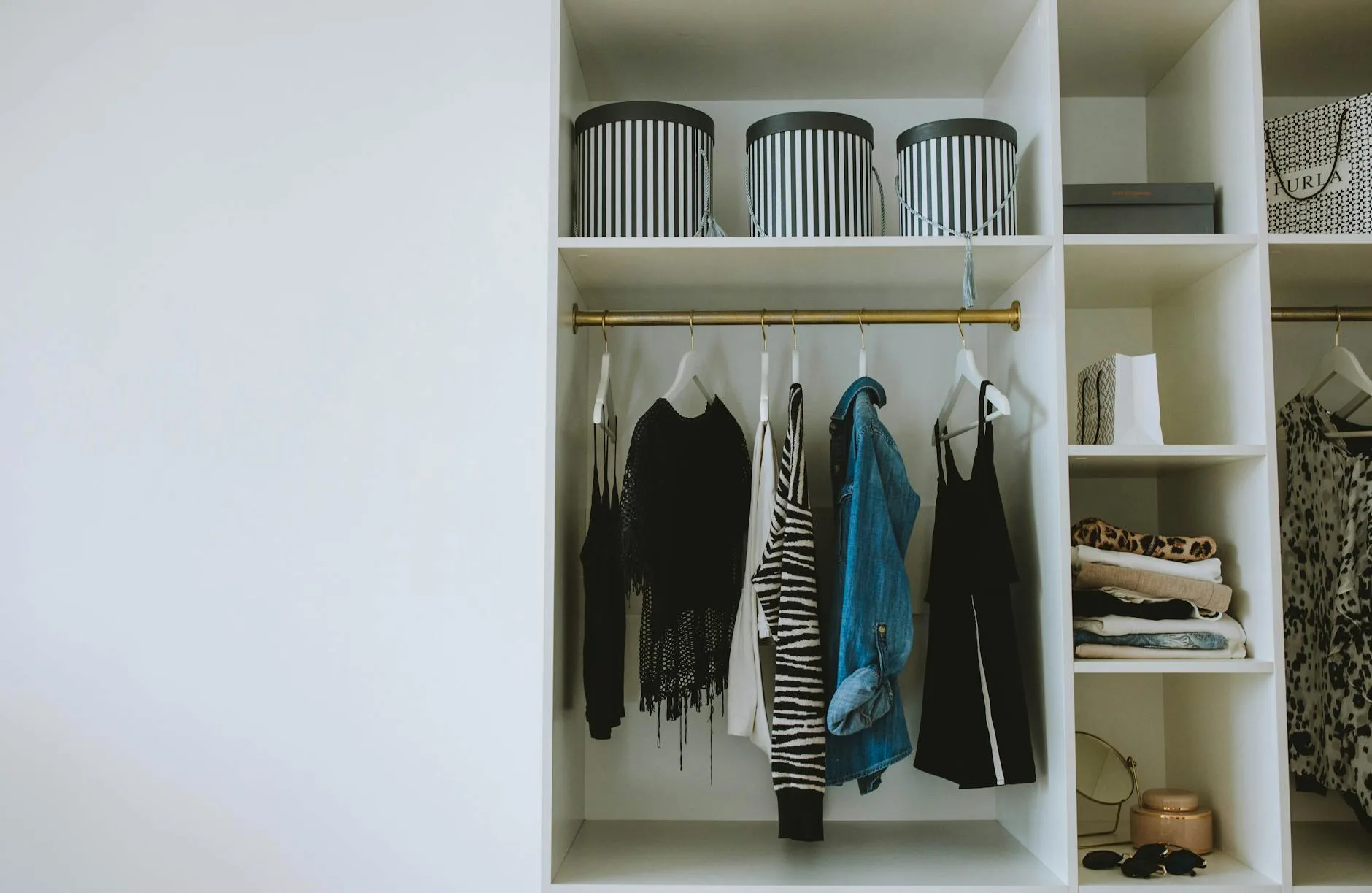
Use one hanger style to reduce wasted gaps, store shoes below short garments and reserve the top shelf for less frequent items. Shelf dividers are more useful than unstable piles, while vacuum bags suit seasonal textiles better than everyday clothes. Our guide to bedroom dressing-area ideas helps place mirrors and daily accessories without crowding the wardrobe.
Visual calm matters in a compact room. Open storage works best with a limited colour palette and concealed baskets. Mirrored doors can reflect light, but good bedroom lighting and considered bedroom colours have more influence than furniture marketing claims.
Review contents before adding organisers. Clothes worn rarely can move to under-bed storage; bedding needs dry, breathable space and regular care. See our advice on washing and rotating bedding before filling the highest shelf with bulky textiles.
The Bottom Line
The Vida Designs Riano is the best wardrobe for the tightest small bedroom because its 40cm width preserves wall space without abandoning enclosed hanging storage. The Panana is the better all-rounder when 72cm is available, while the URBNLIVING sliding wardrobe solves the specific problem of a bed obstructing hinged doors.
Do not buy by capacity claims alone. Tape out the complete footprint, check door or drawer movement, measure the route upstairs and confirm how the furniture must be anchored. The right wardrobe is the one you can open and use comfortably after the bed is in place.
Frequently Asked Questions
What type of wardrobe is best for a very small bedroom? A narrow single wardrobe is usually the most space-efficient enclosed option. Choose sliding doors when the room has enough wall width but too little clearance for hinged doors.
How much space should I leave in front of a wardrobe? Allow the full hinged-door arc plus comfortable standing room. Sliding wardrobes need no door arc, but you still need enough clearance to stand, reach inside and use drawers safely.
Is a 40cm-wide wardrobe useful? Yes for one person’s everyday hanging clothes or a guest room, provided the internal rail and shelf suit what you own. It will not replace a full double wardrobe for most couples.
Are mirrored wardrobes good for small rooms? A mirror can reflect light and remove the need for a separate dressing mirror. It does not create physical floor space, and mirrored doors are heavier to assemble and keep clean.
Do wardrobes need fixing to the wall? Tall furniture can tip, especially when doors or drawers are open. Follow the manufacturer’s instructions and use fixings suited to the wall construction; ask a competent installer if you are unsure.
Are canvas wardrobes worth buying? They are useful as inexpensive temporary storage, but they are less rigid and durable than timber or metal furniture. Keep within the stated load limits and distribute clothes evenly.