You rearranged your bedroom on a whim, moved the bed to face the window, and somehow started sleeping worse. Coincidence? Maybe. But feng shui practitioners would say you just placed your bed in the “coffin position” — feet pointing toward the door — and disrupted the energy flow of the room. Whether you buy the philosophy or not, the principles behind feng shui bedroom layout align surprisingly well with what sleep science tells us about creating a restful environment.
In This Article
- What Feng Shui Actually Is (And Isn’t)
- The Commanding Position: Where to Place Your Bed
- Bed Placement Rules That Science Supports
- Colours for a Restful Bedroom
- Decluttering and Under-Bed Storage
- Electronics and Screens in the Bedroom
- Mirrors in the Bedroom
- Lighting for Sleep
- Natural Elements: Plants, Water and Wood
- Furniture Arrangement Beyond the Bed
- Feng Shui for Small UK Bedrooms
- Frequently Asked Questions
What Feng Shui Actually Is (And Isn’t)
Feng shui is a Chinese philosophical system that’s been around for over 3,000 years. The name translates as “wind-water” and it’s fundamentally about arranging your environment to promote positive energy flow (called “chi” or “qi”). In the bedroom, the goal is creating an environment that supports deep, restorative sleep.
The Practical Side
Strip away the mysticism and feng shui for bedrooms boils down to sensible principles:
- Position the bed for psychological safety (you can see the door)
- Remove visual clutter that causes mental restlessness
- Use calming colours rather than stimulating ones
- Control light and sound for better sleep quality
- Create symmetry for a sense of balance and order
You don’t need to believe in energy flow to benefit from these principles. Sleep researchers at institutions like the NHS sleep hygiene programme recommend many of the same environmental adjustments — they just don’t call it feng shui.
What This Guide Covers
We’re taking the practical feng shui principles that overlap with sleep science and applying them to UK bedrooms — which are typically smaller than the spacious rooms feng shui was designed for. I’ve applied these principles to our own bedroom over the past year, making changes one at a time, and the sleep improvements have been noticeable — particularly the bed positioning and electronics removal.
The Commanding Position: Where to Place Your Bed
The “commanding position” is the single most important concept in feng shui bedroom layout. It means placing the bed so that:
- You can see the bedroom door from the bed without being directly in line with it
- The bed is against a solid wall (not a window or under a beam)
- You’re not directly opposite the door — offset to one side
Why It Works (According to Science)
This isn’t just feng shui mysticism. Environmental psychology research shows that humans sleep better when they can see the entrance to a room — it satisfies a primal security instinct. Being able to see who’s entering without being in the direct “path” of the doorway reduces subconscious alertness during sleep.
The Ideal Position
- Bed against the wall opposite or diagonal to the door
- Head of the bed against a solid wall — not under a window (draughts, noise, security anxiety)
- Both sides accessible — space for a bedside table on each side (promotes relationship balance in feng shui, practical convenience in reality)
- Not directly in line with the door — offset so you can see the door but aren’t in the direct “energy path”
When the Room Won’t Allow It
UK bedrooms — especially Victorian terraces and modern new-builds — don’t always cooperate. If you can only fit the bed in one position:
- Against a window: Use a solid headboard to create the “wall” effect. Heavy curtains help with the draught and noise issue. Check our guide to choosing curtains for better sleep for recommendations.
- Door directly opposite: Hang a full-length curtain or screen that partially blocks the direct sight line from bed to door
- One side against a wall: This is common in small bedrooms. It’s not ideal in feng shui terms, but practical needs override — just ensure the open side isn’t the entry path
Bed Placement Rules That Science Supports
Away from External Walls in Winter
External walls in UK homes — particularly older ones — are colder than internal walls. Your body loses heat to a cold wall through radiation. Sleeping against an internal wall is warmer and more comfortable from October to March. If you must use an external wall, ensure it’s well-insulated and use a substantial headboard and bed frame as a buffer.
Not Under Beams
Feng shui says beams above the bed create “pressing energy.” The practical reality: exposed beams in older UK homes can creak and shift with temperature changes, creating noise that disrupts sleep. If you have beams and can’t move the bed, a canopy or fabric ceiling softens both the visual weight and the noise.
Not Between Two Doors
In feng shui, a bed between two doors (or a door and a window) sits in a “wind tunnel” of energy. Practically, it’s a draught corridor. Air moves between openings, and the constant low-level air movement can disturb light sleepers.
Headboard Against a Solid Surface
A solid headboard against a solid wall provides both physical comfort (somewhere to lean while reading) and psychological comfort (a sense of support behind you). Upholstered headboards also absorb sound, which helps in terraced houses where bedroom walls are shared.
Colours for a Restful Bedroom
Feng shui uses the five-element colour system (wood, fire, earth, metal, water) to guide colour choices. For the bedroom, “yin” (calming) colours are preferred over “yang” (energising) ones. Sleep science agrees: a 2024 study by Travelodge found that UK adults sleeping in blue bedrooms averaged 7 hours 52 minutes — the most of any colour group.
Best Bedroom Colours
- Soft blues and greens — feng shui associates these with wood energy (growth, calm). Blue light has been shown to lower heart rate and blood pressure.
- Warm neutrals — cream, beige, soft grey. Earth tones create a grounded, stable feeling. These are the most versatile for UK decor.
- Muted pinks and peach — feng shui associates pink with partnership energy. Soft warm tones create a cocooning effect.
Colours to Avoid
- Bright reds and oranges — fire energy. Stimulating, raises heart rate. Fine as accent cushions; terrible as wall colour.
- Pure white — too clinical and “yang” for feng shui. Can feel cold and stark, especially in north-facing UK bedrooms.
- Black — water energy. In small doses (a headboard, a frame), it’s grounding. An all-black bedroom feels oppressive and absorbs too much light.
The UK Light Factor
We get far less natural light than countries where feng shui originated. North-facing bedrooms in the UK are particularly challenging — they get cool, grey light for most of the year. Warmer tones (soft yellow-beige, warm grey) compensate better than cool blues in these rooms.
Decluttering and Under-Bed Storage
Feng shui is emphatic: clutter blocks the flow of chi. Sleep science is equally emphatic: visual clutter in the bedroom triggers cortisol (stress hormone) production, making it harder to fall asleep.
The Bedroom-Only Rule
The bedroom should contain only things related to sleep and intimacy. That means removing:
- Work materials — laptop, files, to-do lists. If you work from the bedroom (common in UK homes where space is tight), at least create a visual barrier — a screen, a closed wardrobe door, a cloth draped over the desk at bedtime.
- Exercise equipment — the treadmill in the corner is a guilt machine, not a sleep aid
- Laundry mountains — the chair covered in clothes is a universal UK bedroom feature. Put it away or screen it off.
- Random storage — boxes, childhood memorabilia, things that “don’t have anywhere else to go”
Under-Bed Storage
Feng shui traditionally says nothing should be stored under the bed — it blocks chi flow. The practical compromise for UK homes (where storage is precious): use under-bed storage for soft, clean items (spare bedding, seasonal clothes in vacuum bags) rather than sharp, cluttered, or emotionally charged items (old letters, broken things, work documents).
After clearing the space under our bed — which had accumulated three years of random storage — we both noticed the room felt different. Placebo? Possibly. But we slept better, so we didn’t put it back.
Electronics and Screens in the Bedroom
The Feng Shui View
Electronics represent “fire energy” — stimulating, active, and disruptive to the calm yin energy a bedroom needs. Feng shui practitioners recommend removing all electronics from the bedroom entirely.
The Sleep Science View
The NHS recommends avoiding screens for at least an hour before bed. Blue light from screens suppresses melatonin production, delaying sleep onset. But beyond the light, the content itself — social media, news, email — is mentally stimulating and keeps the brain active when it should be winding down. Our article on red light vs blue light covers the science in detail.
Practical Compromises
- Phone: At minimum, switch to “do not disturb” mode and place it face-down or in a drawer. Better: leave it charging in another room and use a standalone alarm clock (about £10-20 from Amazon UK).
- TV: If removing it isn’t an option (and for many couples it isn’t), set a sleep timer and commit to turning it off at a set time.
- Laptops and tablets: Remove from the bedroom entirely. No exceptions.
Mirrors in the Bedroom
The Feng Shui View
Feng shui is cautious about mirrors in bedrooms. A mirror facing the bed is considered particularly problematic — it doubles the energy in the room and can create restlessness. The traditional advice is to avoid mirrors that reflect the bed.
The Practical View
There’s a grain of truth here: a large mirror reflecting the bed can cause disorientation when you wake in the night (seeing unexpected movement in dim light). It can also reflect light from outside (streetlights, passing cars), creating disturbances. Wardrobe mirrors with doors that close are the feng shui compromise.
Mirror Placement Tips
- On the side wall (not facing the bed) — this is fine in both feng shui and practical terms
- Inside wardrobe doors — hidden when not in use
- Above the headboard — looks dramatic but feels psychologically unstable (heavy object above your head)
- Behind the bedroom door — practical for getting dressed, out of sight from the bed
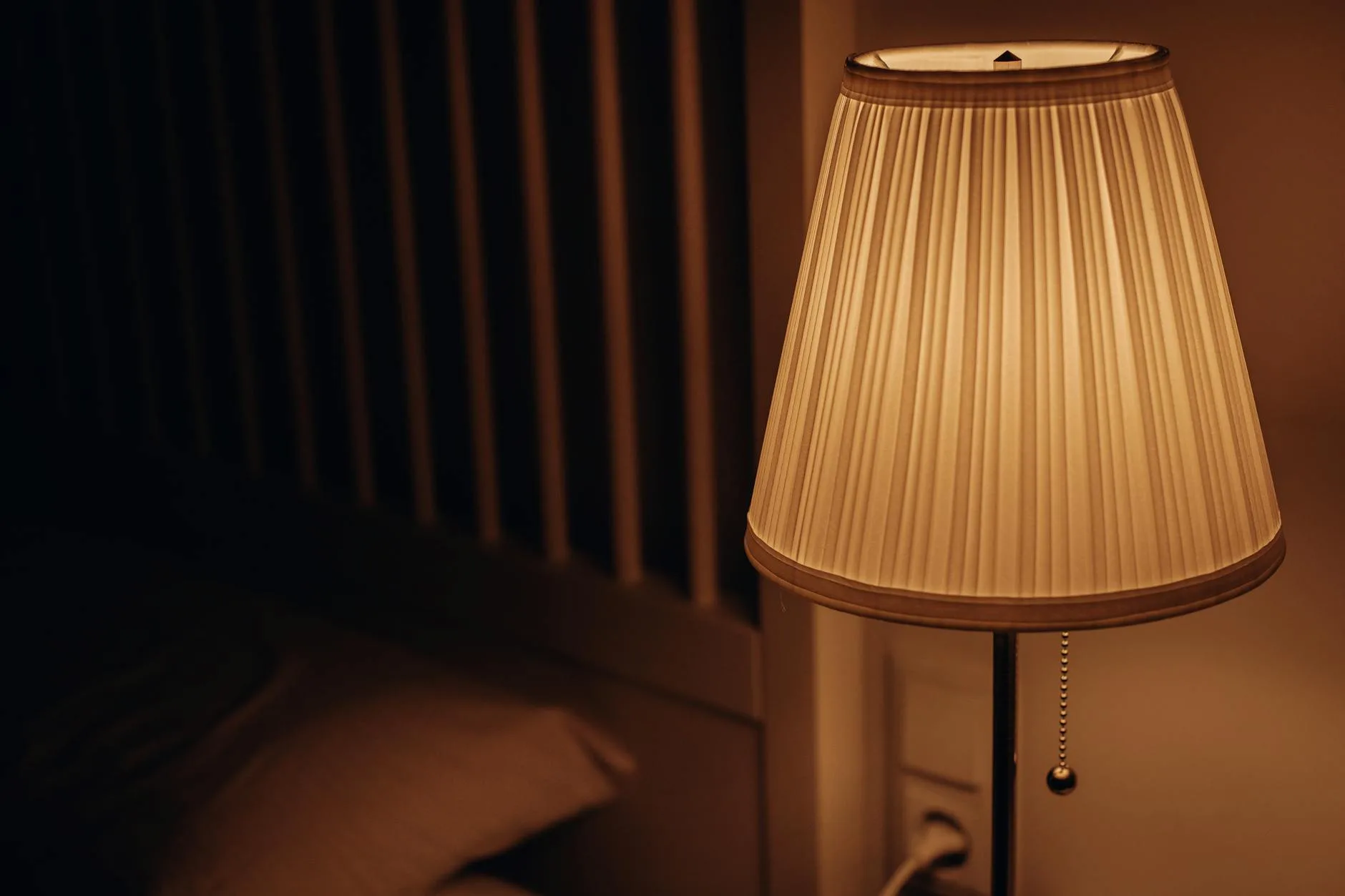
Lighting for Sleep
Layered Lighting
Feng shui recommends multiple light sources at different levels rather than a single overhead light. This is excellent advice regardless of philosophy:
- Overhead light — dimmer switch essential. Bright overhead light in the evening signals “daytime” to your brain.
- Bedside lamps — warm-toned (2700K or below), positioned for reading without flooding the room
- Ambient light — LED strip behind a headboard or under furniture creates soft, indirect light
Warm vs Cool Light
- Evening: 2700K or below (warm/amber). Doesn’t suppress melatonin as aggressively as cool white.
- Morning: Brighter, cooler light helps wake you up. If your bedroom gets morning sun, work with it rather than blocking it completely.
- Night lights: Red or amber night lights (about £8-12) for the hallway/bathroom prevent the sleep-disrupting effect of bright white light if you get up in the night.
Candles
Feng shui loves candles — they represent the fire element in its gentlest form. They’re also excellent for winding down before bed: warm light, no blue wavelengths, and the ritual of lighting them signals “bedtime” to your brain. Use natural wax (soy or beeswax) to avoid synthetic fragrance irritation.
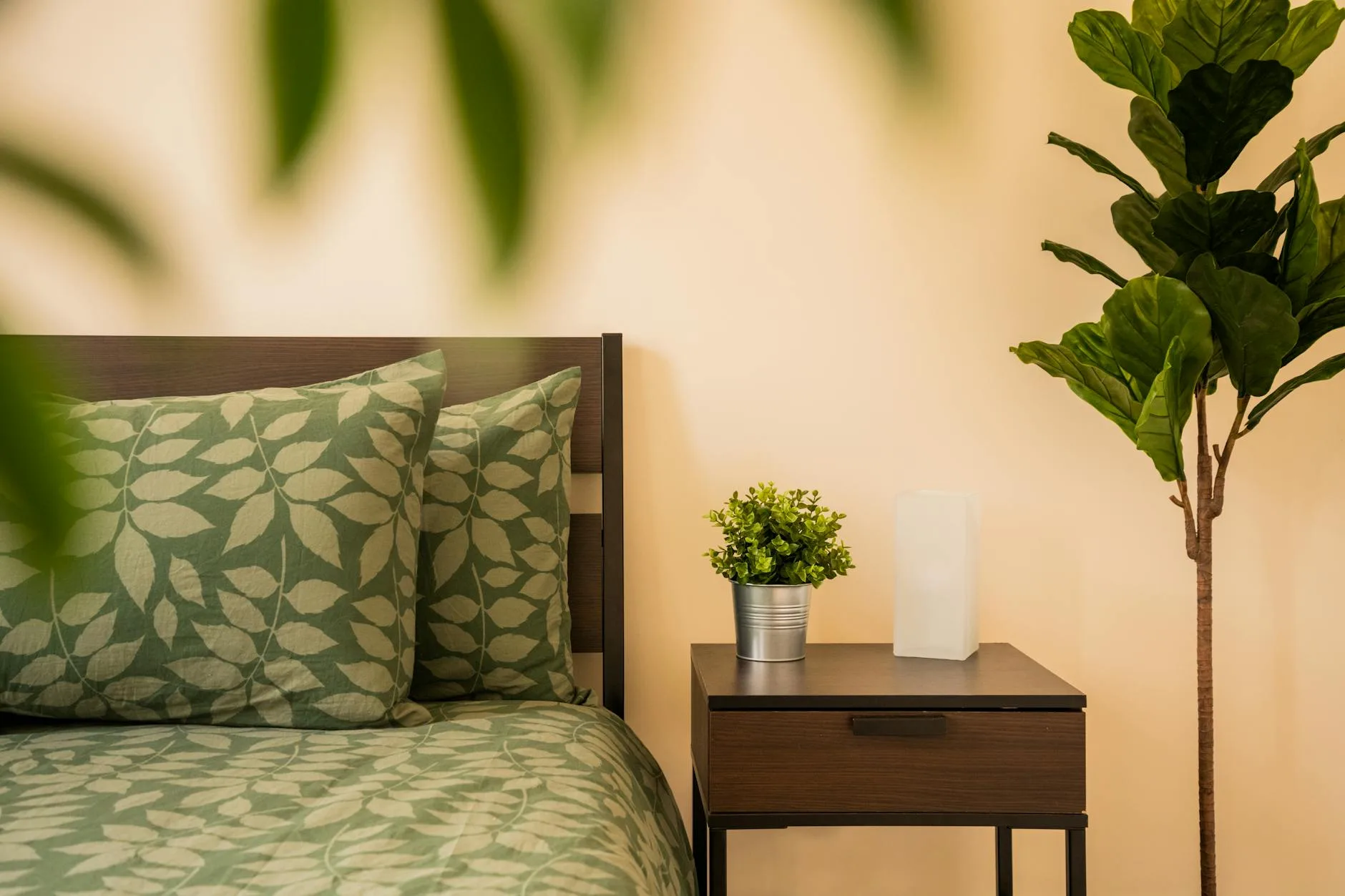
Natural Elements: Plants, Water and Wood
Plants
Feng shui has mixed views on bedroom plants (some practitioners say they’re too “yang” for a sleeping space). Sleep science, however, is more positive:
- Snake plant (Sansevieria) — one of the few plants that produces oxygen at night. Low maintenance, handles low light.
- Peace lily — NASA studied it for air purification. Handles shade well. Bonus: elegant white flowers.
- Lavender — the scent has documented calming effects. Place a small pot on the windowsill.
- Limit to 2-3 plants — a jungle atmosphere is stimulating, not calming
Wood
Feng shui associates wood with growth, health, and vitality. In bedroom terms: wooden bed frames, bedside tables, and flooring (or a wooden-topped nightstand on carpet) add warmth and natural texture. Solid wood furniture feels grounding in a way that laminate doesn’t.
Water
Small water features (a tabletop fountain) represent the water element. Feng shui recommends caution in bedrooms — water energy can be too active for sleep. If you find the sound of running water soothing, a white noise app achieves the same effect without the humidity.
Furniture Arrangement Beyond the Bed
Symmetry
Feng shui emphasises symmetry in the bedroom — matching bedside tables, matching lamps, equal space on both sides of the bed. This creates visual balance and, in feng shui terms, balanced energy. Practically, symmetry is calming to the eye and makes the room feel ordered.
Sharp Corners
Feng shui warns against “poison arrows” — sharp corners from furniture pointing at you while you sleep. The practical translation: rounded or chamfered furniture edges are less likely to cause injury when navigating the room in the dark, and softer shapes create a more relaxing visual environment.
Wardrobe Placement
- Wardrobes opposite the bed create a visual wall — which can feel oppressive in small rooms
- Wardrobes beside the bed (along the same wall or an adjacent wall) feel less dominant
- Mirrored wardrobe doors: see the mirrors section above
The Bedroom Door
In feng shui, the bedroom door should close fully and easily. A door that sticks, creaks, or is blocked by furniture disrupts chi flow. In practical terms: a sticking door means you can’t fully shut out hallway light and noise, and a creaky door disturbs you every time your partner gets up.
Feng Shui for Small UK Bedrooms
UK bedrooms average 12.5 square metres — smaller than the spacious rooms feng shui was traditionally applied to. Here’s how to adapt the principles:
When You Can’t Follow the Rules
- Can’t have both sides accessible: Put the head against the far wall with one side accessible. Use the wall side for a narrow shelf instead of a full table.
- Can’t avoid placing the bed under a window: Use a tall, solid headboard and heavy curtains. This creates the “wall” effect feng shui wants.
- No room for matching bedside tables: Use wall-mounted shelves instead — same symmetry principle, zero floor space.
- Wardrobe dominates the room: Choose a wardrobe the same colour as the walls so it visually recedes.
Space-Saving Feng Shui Tips
- Floating shelves instead of freestanding furniture
- Under-bed drawers (built-in, not random boxes — keeping the space organised)
- Light, reflective colours on walls to make the room feel larger
- One statement piece (a beautiful headboard, a quality throw) rather than multiple small decorative items
- Good curtains: They do more for sleep quality per pound spent than almost anything else
Frequently Asked Questions
Does feng shui actually improve sleep? There’s no scientific study directly testing feng shui as a system. However, many individual feng shui principles — bed positioning for psychological safety, decluttering to reduce cortisol, removing screens, using warm lighting, and choosing calming colours — are supported by sleep research. The principles work; whether you attribute the improvement to “chi flow” or “environmental psychology” is a matter of personal preference.
Which direction should your bed face in the UK? Traditional feng shui recommends aligning the bed based on your personal “kua number” (calculated from your birth year). More practically, in UK homes the bed direction is usually dictated by room shape and door/window positions. If you have a choice, facing your bed so your head points north or east is considered optimal in feng shui — north for deep sleep, east for youthful energy. Most importantly, position the bed where you can see the door.
Can feng shui help with insomnia? Feng shui alone won’t cure clinical insomnia, which may need medical treatment. But the environmental changes feng shui recommends — removing screens, decluttering, using calming colours, proper lighting, and optimising bed position — address several common causes of poor sleep. If your insomnia is related to bedroom environment rather than medical conditions, feng shui principles are a practical starting framework.
Is it bad feng shui to have a TV in the bedroom? Traditional feng shui considers TVs disruptive fire energy that interferes with rest. Sleep science agrees that screen time before bed impairs sleep quality. If removing the TV isn’t practical, compromise by covering it when not in use (a fabric panel or cupboard doors), setting a sleep timer, and switching it off at least 30 minutes before you intend to sleep.
Should I hire a feng shui consultant for my bedroom? For most people, no. The principles in this guide cover the major bedroom feng shui adjustments. A consultant (typically £150-400 for a home visit) adds personalised analysis based on compass directions and your birth details, but the core advice rarely differs from the basics: commanding bed position, declutter, calm colours, proper lighting. Save the money and spend it on good curtains or bedding instead.
If you are refining the same bedroom setup, compare this with Bedroom Colour Schemes for Better Sleep, Best Bedroom Lighting for Sleep Quality, Smart Beds Explained: Are Adjustable Bases Worth It?.