You’re in John Lewis, running your fingers across two sets of sheets. One says 200 thread count, priced at £35. The other says 1,000 thread count, priced at £120. The obvious conclusion is that 1,000 must be five times better — smoother, softer, more luxurious. That’s exactly what the manufacturer wants you to think. And it’s not quite true.
Thread count has become the dominant marketing metric for bed sheets in the UK, but it tells you far less about quality than you’d expect. Some 300 thread count sheets feel better than sheets claiming 1,000. Understanding why that happens — and what actually determines whether sheets feel good against your skin — saves you money and gets you better sleep.
What Thread Count Actually Means
Thread count measures the number of threads woven into one square inch of fabric. It counts both the horizontal threads (weft) and the vertical threads (warp). A sheet with 150 horizontal threads and 150 vertical threads per square inch has a thread count of 300.
Simple enough. But here’s where manufacturers get creative.
Modern weaving can use multi-ply yarns — individual threads twisted together before weaving. A 2-ply yarn counts as two threads instead of one. So a fabric woven with the same density as a genuine 300 thread count sheet, but using 2-ply yarn, suddenly becomes “600 thread count” on the label. Use 4-ply yarn and that same sheet becomes “1,200 thread count.”
The fabric hasn’t changed. The feel hasn’t improved. The number on the packaging has quadrupled.
This is why the International Organization for Standardization and textile experts use single-ply thread count as the real measure. When you see thread counts above 600-800, ask yourself whether the manufacturer is counting multi-ply threads. In most cases, they are.
The Sweet Spot: What Thread Count Should You Buy?
For most people buying cotton sheets in the UK, the practical sweet spot sits between 200 and 400 thread count (single-ply). Here’s why each range works:
- 200-300 thread count — perfectly good for everyday sheets. Percale weave in this range feels crisp, cool, and breathable. Ideal for warm sleepers or summer months. Expect to pay £25-50 for a decent set from Dunelm, M&S, or Amazon UK
- 300-400 thread count — noticeably smoother than 200 TC. Sateen weave in this range has that silky hotel-bed feel without excessive weight. This is the range most luxury hotel chains actually use. Around £40-80 from John Lewis, The White Company, or Soak & Sleep
- 400-600 thread count — diminishing returns start here. You’re paying more for marginally smoother fabric. Worth it if you’re a fabric enthusiast, but most people can’t tell the difference between 400 and 600 in a blind test. £60-120
- 600+ thread count — approach with scepticism. Genuine single-ply 600+ TC sheets exist but they’re rare and expensive (£150+). Most sheets claiming 800-1,200 TC are using multi-ply counting tricks. They often feel heavier and less breathable than lower TC sheets
The uncomfortable truth is that a 300 thread count sheet made from long-staple Egyptian cotton will feel noticeably better than a 1,000 thread count sheet made from short-staple cotton with multi-ply yarns. Thread count is just one variable — and it’s not the most important one.
Why Fibre Quality Matters More Than Thread Count
The type of cotton fibre used in your sheets has a bigger impact on feel than the number on the label. Cotton fibres vary in length, and longer fibres (called “staples”) produce smoother, stronger, more durable fabric.
Long-staple cotton — fibres measuring 28-35mm — can be spun into finer, smoother yarns. This means fewer loose fibre ends sticking out of the fabric, which translates to that silky, soft feel against your skin. Egyptian cotton and Supima cotton are both long-staple varieties.
Extra-long-staple (ELS) cotton — fibres over 35mm — is the premium tier. Egyptian Giza 45 and Sea Island cotton fall into this category. Sheets made from ELS cotton at 300 thread count will outperform short-staple cotton at 800 thread count every time.
Short-staple cotton — fibres under 25mm — produces rougher, weaker yarn. The fabric pills faster, feels scratchier, and doesn’t improve with washing the way long-staple sheets do. Most budget sheets use short-staple cotton, regardless of what thread count they claim.
Here’s a practical buying hierarchy, from most to least important:
- Fibre type — Egyptian cotton, Supima, or Pima cotton (long-staple) beats standard cotton at any thread count
- Weave type — percale (crisp and cool) vs sateen (smooth and warm) determines how the sheets feel and drape
- Thread count — within a given fibre and weave, higher TC gives marginally smoother fabric. But only up to about 400-500
When shopping in the UK, look for sheets that specify the cotton origin. If the label just says “100% cotton” without mentioning Egyptian, Supima, or Pima, it’s almost definitely short-staple cotton. The thread count on those sheets is largely irrelevant — the fibre quality has already set a low ceiling on how good they can feel.
Percale vs Sateen: The Weave Matters
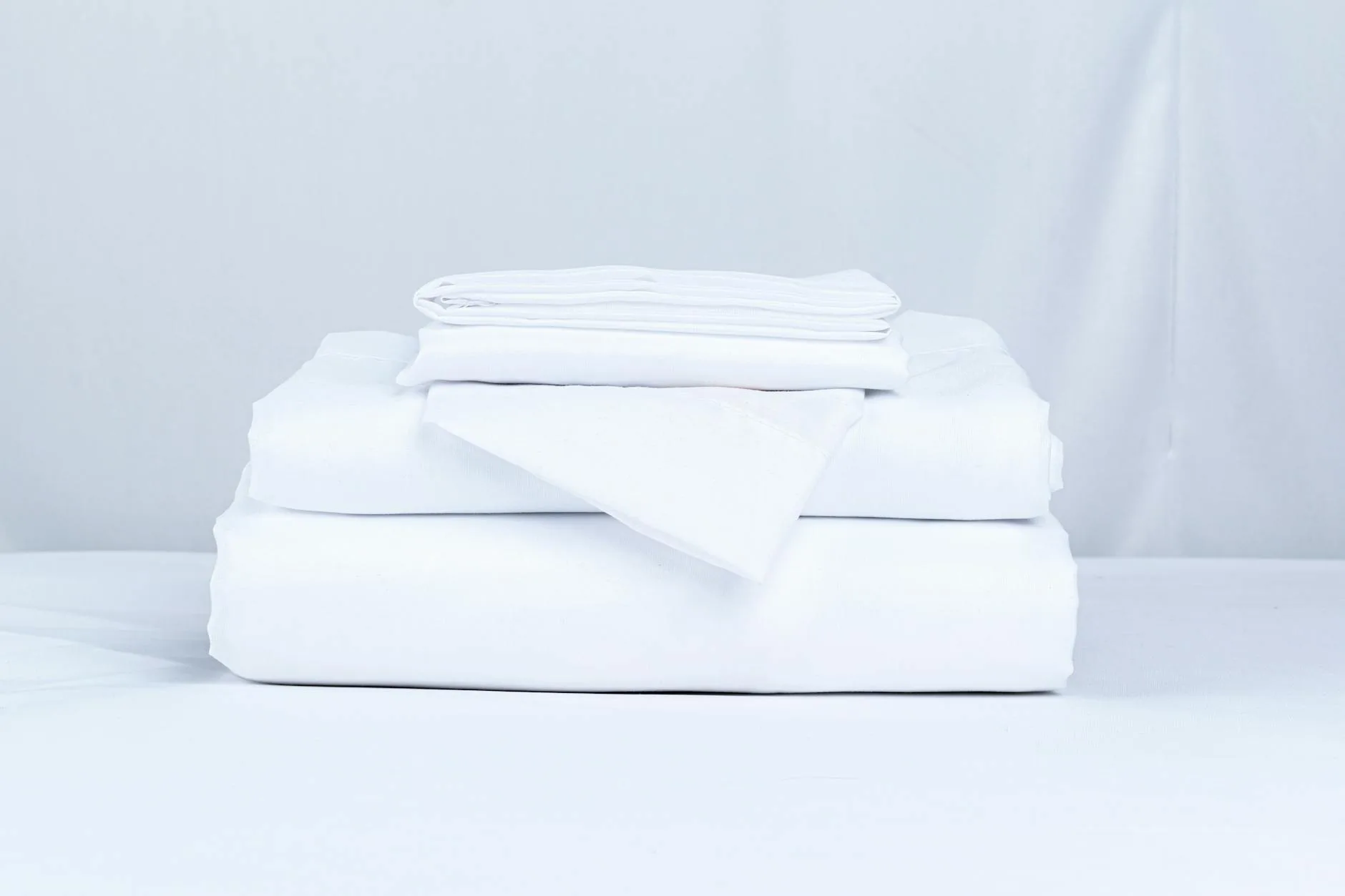
Thread count doesn’t exist in isolation — it interacts with the weave pattern to determine how sheets actually feel. The two most common weaves you’ll find in UK shops are percale and sateen, and they feel completely different even at identical thread counts.
Percale weave uses a simple one-over, one-under pattern. The result is:
- Crisp and cool — percale sheets have that fresh, hotel-like feel. They breathe well and stay cool against your skin
- Matte finish — no shine or sheen. Classic, understated look
- Gets softer with washing — percale sheets improve over the first 5-10 washes. They start slightly stiff but develop a beautiful broken-in softness
- Best at 200-400 TC — percale doesn’t benefit much from higher thread counts. A 300 TC percale from Soak & Sleep or The White Company is the gold standard
Sateen weave uses a four-over, one-under pattern, exposing more of the thread surface:
- Smooth and silky — sateen feels like satin but without the slippery synthetic quality. It drapes beautifully
- Subtle sheen — the weave creates a gentle lustre that looks luxurious
- Warmer than percale — the tighter weave traps more heat. Better for cooler months or cold sleepers
- More prone to pilling — the longer surface exposure means sateen can pill faster than percale, especially at lower thread counts
- Best at 300-500 TC — sateen benefits from slightly higher thread counts than percale
Neither is objectively better — it depends on whether you sleep hot or cold, and whether you prefer crisp or silky textures. Most people who care about their bedding eventually own both and swap seasonally. If you’ve ever slept in a hotel and loved the sheets, they were almost definitely percale at around 300 TC.
Thread Count Marketing Tricks to Watch For
UK bedding brands use several tactics to inflate perceived quality through thread count. Knowing these helps you cut through the marketing:
Multi-ply inflation — as discussed, counting each ply in a twisted yarn as a separate thread. A genuine 250 TC fabric becomes “500 TC” or “1,000 TC” on the label. If a brand claims 800+ thread count at a price that seems too good to be true, this is almost definitely what’s happening.
“Up to” language — “Up to 1,000 thread count” means the highest-density area of the sheet hits that number. The rest might be notably lower. This is technically legal but misleading.
Ignoring fibre origin — a brand that prominently displays “800 Thread Count!” but doesn’t mention the cotton type is hiding something. Good cotton is worth boasting about. If they’re not telling you, the cotton quality is mediocre.
Thread count on non-cotton fabrics — thread count is only meaningful for woven cotton and cotton-blend sheets. It’s almost irrelevant for bamboo, linen, or microfibre sheets, which achieve softness through different properties. If a bamboo sheet set mentions thread count, the brand is relying on your assumption that higher is better.
“Egyptian cotton” without certification — true Egyptian cotton is certified by the Cotton Egypt Association and carries their logo. The term “Egyptian cotton” is sometimes used loosely to describe cotton merely processed in Egypt, not grown there. Look for the certification mark, particularly from brands like Christy, Dorma, and Egyptian Bedding.
How to Choose Sheets Without Fixating on Thread Count
When you’re actually standing in a shop or scrolling through bedding options online, here’s a more reliable decision framework than just looking at thread count:
Step 1: Choose your fibre. Egyptian cotton or Supima for quality. Standard cotton for budget. Linen for that relaxed, textured feel (thread count doesn’t apply). Bamboo for softness and sustainability claims (though verify the manufacturing process — viscose bamboo can be heavily chemically processed).
Step 2: Choose your weave. Percale if you sleep warm or want that crisp hotel feel. Sateen if you sleep cold or prefer silky smoothness. Jersey if you want stretchy, T-shirt-like comfort.
Step 3: Check thread count as a tiebreaker. Between two sets with the same fibre and weave, the one with higher TC will be marginally smoother. But don’t choose 600 TC short-staple cotton over 300 TC Egyptian cotton — the Egyptian cotton will feel better.
Step 4: Read reviews, not labels. Real customers sleeping on sheets nightly can tell you more than any spec sheet. Look specifically for comments about how sheets feel after several washes — good sheets improve, cheap sheets degrade.
Step 5: Touch before buying if possible. John Lewis, M&S, and The White Company all have display samples you can feel. No amount of label reading replaces physically touching the fabric. Online? Order from retailers with good return policies and test for a night or two.
Budget vs Premium: What You Actually Get
Let’s be concrete about what different price points actually deliver in the UK bedding market:
Under £25 (Primark, IKEA, basic Amazon) — typically 180-200 TC, short-staple cotton or polycotton blends. Functional but not luxurious. Will pill and roughen after 6-12 months of regular washing. Fine for guest beds or children’s beds where frequent replacement is expected.
£30-60 (M&S, Dunelm, Next) — 200-300 TC, usually decent quality cotton. These are the workhorses. M&S’s 300 TC Egyptian cotton range is particularly good value. At this price point, you’re getting sheets that should last 2-3 years and feel comfortable from the start.
£60-120 (John Lewis, The White Company, Soak & Sleep) — 300-400 TC, long-staple cotton with proper percale or sateen weave. This is where you notice a real jump in quality. The White Company’s 300 TC percale is one of the best-value premium sheet sets in the UK. These should last 3-5 years with proper care.
£120+ (Frette, Yves Delorme, high-end hotel suppliers) — 400-600 TC, extra-long-staple Egyptian cotton. Genuinely luxurious, but the gap between £120 and £60 sheets is smaller than the gap between £60 and £30 sheets. This is enthusiast territory.
The best value in the UK market sits firmly in the £40-80 range. You’re past the sharp quality drop-off of budget sheets but haven’t hit the diminishing returns of premium pricing. If that means buying a 300 TC set from The White Company instead of a 1,000 TC set from an unknown Amazon brand, your sleep will thank you.
Caring for Your Sheets to Maintain Quality
Even the finest sheets won’t stay soft if you’re washing them incorrectly. Thread count is irrelevant if you’re destroying the fibres in the laundry:
- Wash at 40°C — hot washes break down cotton fibres faster. 40°C is enough to clean sheets effectively while preserving the fabric
- Use liquid detergent, not powder — powder can leave residue in the weave that makes sheets feel rough. Biological liquid at half the recommended dose is ideal
- Skip the fabric softener — softener coats fibres and actually makes cotton sheets feel less breathable over time. If sheets are properly washed, they’ll develop natural softness
- Dry on low heat or line-dry — tumble dryers on high heat are the biggest killer of sheet quality. Low heat for 20 minutes to remove wrinkles, then line-dry. Or just line-dry entirely
- Rotate between two sets — having two sets in rotation means each set gets washed half as often, effectively doubling the lifespan. Three sets is even better
- Iron only if you must — ironing does make percale sheets look incredible, but it’s not necessary for comfort. If you iron, use a medium-hot setting and iron while slightly damp for the best results
If you bought quality sheets and they feel worse after a few months, the washing routine is almost always the culprit. Revisit your laundry habits before blaming the thread count.
NHS sleep guidance is useful context when judging whether a bedding or routine change is likely to help. the relevant guidance.
If you are refining the same bedroom setup, compare this with Best Cooling Duvets 2026: Stay Cool in Summer, Best Weighted Blankets for Better Sleep, Best Duvets for All Seasons in the UK, Duvet Filling Types Explained: Down, Microfibre, Silk & Wool, How to Choose Bedding for Children.
Frequently Asked Questions
What is a good thread count for sheets in the UK? Between 200 and 400 thread count (single-ply) covers most people’s needs. Percale sheets at 200-300 TC feel crisp and cool. Sateen sheets at 300-400 TC feel smooth and silky. Above 400 TC, you’re paying more for diminishing returns.
Are 1,000 thread count sheets worth buying? Usually not. Most sheets claiming 1,000 TC use multi-ply yarn counting tricks to inflate the number. A genuine single-ply 1,000 TC sheet would be extremely expensive and uncomfortably heavy. You’ll get better quality from a 300-400 TC sheet made with long-staple Egyptian cotton.
Does thread count matter for bamboo or linen sheets? Not really. Thread count is a meaningful metric for woven cotton fabric. Bamboo and linen sheets achieve softness through different fibre properties and weave structures. Brands that prominently feature thread count on non-cotton sheets are relying on marketing shorthand rather than a useful quality indicator.
Why do hotel sheets feel so good if they’re only 300 thread count? Hotels typically use percale-weave, long-staple cotton sheets at 250-350 TC, then wash them repeatedly with commercial-grade detergent. The combination of quality fibre, crisp weave, and thorough breaking-in through industrial laundering creates that signature hotel-bed feel. You can replicate it at home with similar quality sheets and a few washes.
How long should good quality sheets last? With proper washing and rotation between two or three sets, quality cotton sheets at 300+ TC should last 3-5 years before noticeable thinning or pilling. Budget sheets under 200 TC typically last 1-2 years. Linen sheets can last 10+ years as the fibres actually strengthen with washing.